Ngorongoro Expedition and Tours

A Complete Guide To Mount Kilimanjaro

A COMPLETE GUIDE TO MOUNT KILIMANJARO 

Complete guide to Mount Kilimanjaro explains everything you need to know about Africa’s highest mountain, rising to 5,895 meters (19,341 feet) above sea level. Mount Kilimanjaro is a free standing volcanic mountain made up of Kibo, Mawenzi, and Shira, with Uhuru Peak as the summit. It is located in the Kilimanjaro Region near Moshi town in northern Tanzania and is protected within Kilimanjaro National Park, a UNESCO World Heritage Site.

Climbing Mount Kilimanjaro does not require technical mountaineering skills, but success depends on proper acclimatization, route selection, and experienced guides. The climb passes through multiple climate zones, from rainforest to arctic conditions, and typically takes 6 to 9 days, making it one of the world’s most iconic trekking experiences.

Where Is Mount Kilimanjaro Located in Africa. 

Mount Kilimanjaro is located in the northern part of Tanzania in Kilimanjaro region and is widely regarded as one of the most accessible high mountains on the African continent. According to this Mount Kilimanjaro guide, the mountain is located within the boundaries of Kilimanjaro National Park, an officially protected area listed as a UNESCO World Heritage Site. It is geographically close to the town of Moshi, which serves as the primary access point for climbers heading toward Mount Kilimanjaro in Africa, located in Tanzania.

How to Get There?

Access to Mount Kilimanjaro is well organized for both international visitors and travellers within the region. The main arrival point is Kilimanjaro International Airport (JRO), which offers flight connections linking Tanzania with several major cities across Africa, Europe, and the Middle East. From the airport, travelers can reach Moshi in about one hour, while Arusha can be reached in roughly in 1 hour. These towns operate as key centers for accommodation, trekking preparation, and guide services.

Travelers already inside Tanzania can reach Mount Kilimanjaro by road from Arusha, Dar es Salaam, and other northern travel destinations. Options include public transport, private vehicles, and tour-operated transfers. Due to its convenient location and established tourism facilities, Tanzania Mount Kilimanjaro is considered one of the most accessible high-altitude mountains in the world, attracting both beginner climbers and experienced mountaineers.

Mount Kilimanjaro Height, Elevation, and Geographic Facts  Explained

Mount Kilimanjaro height is approximately 5,895 meters (19,341 feet) above sea level, it is recognized as Africa’s highest mountain and also the tallest free standing mountain on Africa. Unlike mountain ranges formed by tectonic activity, Kilimanjaro stands alone, making its elevation particularly striking and easily visible from the surrounding plains. This unique formation contributes to its status as one of the most iconic landmarks in Africa.

Among the most notable Mount Kilimanjaro facts is that it consists of three volcanic cones: Kibo, Mawenzi, and Shira. Kibo is the tallest and is home to Uhuru Peak, the summit, while Mawenzi and Shira are older, eroded cones. Though Kilimanjaro is dormant, its volcanic origins explain the steep elevation gain and diverse terrain climbers experience on their journey from base to summit.

Because of its exceptional height and distinctive formation, Kilimanjaro is often referred to as both Africa’s tallest mountain and one of the continent’s most famous natural wonders. The mountain’s elevation creates dramatic ecological changes over short distances, allowing climbers to pass through multiple climate zones in a single ascent. These fascinating Mount Kilimanjaro facts continue to attract adventurers, researchers, and travelers worldwide.

Mount Kilimanjaro – Key Facts
Feature Details
Elevation 5,895 meters (19,341 feet)
Geographic Location Situated in northern Tanzania, East Africa, within Kilimanjaro National Park near the Kenyan border.
Topographic Prominence 5,885 meters (19,298 feet)
Geographic Coordinates Located at approximately 3.0674° south latitude and 37.3556° east longitude.
Geological Formation A massive stratovolcano formed by volcanic activity, consisting of three volcanic cones: Kibo, Mawenzi, and Shira.
Historic First Ascent The first recorded successful ascent was achieved in 1889 by Hans Meyer, alongside Ludwig Purtscheller.
Climbing Difficulty Level Considered moderate to strenuous, with altitude being the primary challenge rather than technical climbing skills.
Mount Kilimanjaro Altitude Zones
Altitude Zone Elevation / Height Key Characteristics
Lowland Zone 1,000–1,500 meters
(3,280–4,921 feet)
The lower foothills of Mount Kilimanjaro mark the general starting point for many trekking routes and are home to local communities, farmland, and cultivated landscapes.
Montane Forest Zone 1,500–2,800 meters
(4,921–9,186 feet)
A lush rainforest zone rich in biodiversity, featuring dense vegetation, towering trees, birds, and wildlife adapted to humid and moist conditions.
Heath and Moorland Zone 2,800–4,000 meters
(9,186–13,123 feet)
Characterised by open landscapes, giant heathers, and hardy alpine plants that thrive in cooler temperatures and reduced oxygen levels.
Alpine Desert Zone 4,000–5,000 meters
(13,123–16,404 feet)
A dry and barren environment with minimal vegetation, strong sunlight, low humidity, and extreme temperature changes between day and night.
Arctic Zone Above 5,000 meters
(16,404 feet and higher)
The summit region marked by ice fields, glaciers, freezing temperatures, and extremely thin air near Uhuru Peak — the highest point in Africa.

 History and Formation of Mount Kilimanjaro’s Volcanic Peaks

As highlighted in this Mount Kilimanjaro guide, the mountain was formed through volcanic activity millions of years ago. It consists of three main volcanic cones: Kibo, Mawenzi, and Shira, each representing a different stage of the mountain’s formation. Kibo, the tallest cone, is still dormant and contains the summit, while Mawenzi and Shira are older, eroded cones that showcase Kilimanjaro’s volcanic evolution over time.

The creation of Kilimanjaro is a result of tectonic movements along the East African Rift system. Lava flows, eruptions, and subsequent glaciation shaped the mountain into its present form, giving climbers today a landscape of steep ridges, volcanic craters, and dramatic cliffs. Understanding this history adds depth to the experience for anyone using a Mount Kilimanjaro climbing guide, as it explains the mountain’s challenging terrain and ecological diversity.

Today, Mount Kilimanjaro stands not only as a natural wonder but also as a record of Africa’s volcanic past. The combination of dormant volcanoes and ancient peaks provides climbers with a unique journey through time, making each ascent both a physical and educational adventure for those following a Mount Kilimanjaro climbing guide.

Mount Kilimanjaro Climate Zones: From Rainforest to Arctic Summit

One of the most remarkable features explained in this Mount Kilimanjaro guide is the mountain’s wide range of climate zones. As climbers ascend Kilimanjaro, they travel through several distinct environments in just a few days. This dramatic change in climate is caused by the mountain’s extreme height and isolated position, making it unlike any other destination in Africa. Understanding these zones is essential for proper preparation and success on the mountain.

The lower slopes begin in a warm, fertile rainforest zone characterized by heavy rainfall, dense vegetation, and diverse wildlife. As described in every reliable Mount Kilimanjaro climbing guide, this area can be humid and muddy, requiring waterproof gear. Above the rainforest, climbers enter the heath and moorland zone, where temperatures drop and vegetation becomes sparse. This region is known for its wide open landscapes and unique plant species adapted to cooler conditions.

Higher elevations lead into the alpine desert zone, where rainfall is rare and temperatures fluctuate sharply between day and night. Finally, the summit zone reaches an arctic-like environment with freezing temperatures, ice fields, and glaciers near the peak. This extreme contrast of climates is a key highlight in any Mount Kilimanjaro guide, showing why Kilimanjaro is both challenging and unforgettable for climbers from around the world.

Mount Kilimanjaro Guide

Mount Kilimanjaro Wildlife, Plants, and Unique Ecosystems.

Mount Kilimanjaro is not only famous for its towering height but also for the remarkable diversity of wildlife and plant life found along its slopes. As highlighted in our  Mount Kilimanjaro guide, the mountain supports several unique ecosystems that change with altitude. Located in northern Tanzania, Tanzania Mount Kilimanjaro is home to a wide range of species that have adapted to different climate zones, making it one of the most ecologically diverse mountains in Africa.

The lower forested areas of Kilimanjaro provide a habitat for animals such as blue monkeys, colobus monkeys, bush babies, and a variety of bird species. These lush rainforest zones are rich in plant life, including towering trees, mosses, and flowering plants that thrive in the humid conditions. According to a detailed Mount Kilimanjaro guide, this region plays a vital role in preserving water sources and maintaining the mountain’s ecological balance.

As altitude increases, vegetation becomes more specialized and sparse. Giant lobelias and senecios dominate the higher zones, surviving harsh temperatures and strong winds. While large wildlife is rare near the summit, the unique plant life and fragile ecosystems of Tanzania Mount Kilimanjaro are a major highlight for climbers. Understanding these ecosystems through a reliable Mount Kilimanjaro guide helps visitors appreciate the natural beauty and environmental importance of Kilimanjaro beyond the climb itself.

Popular Mount Kilimanjaro Climbing Routes Compared

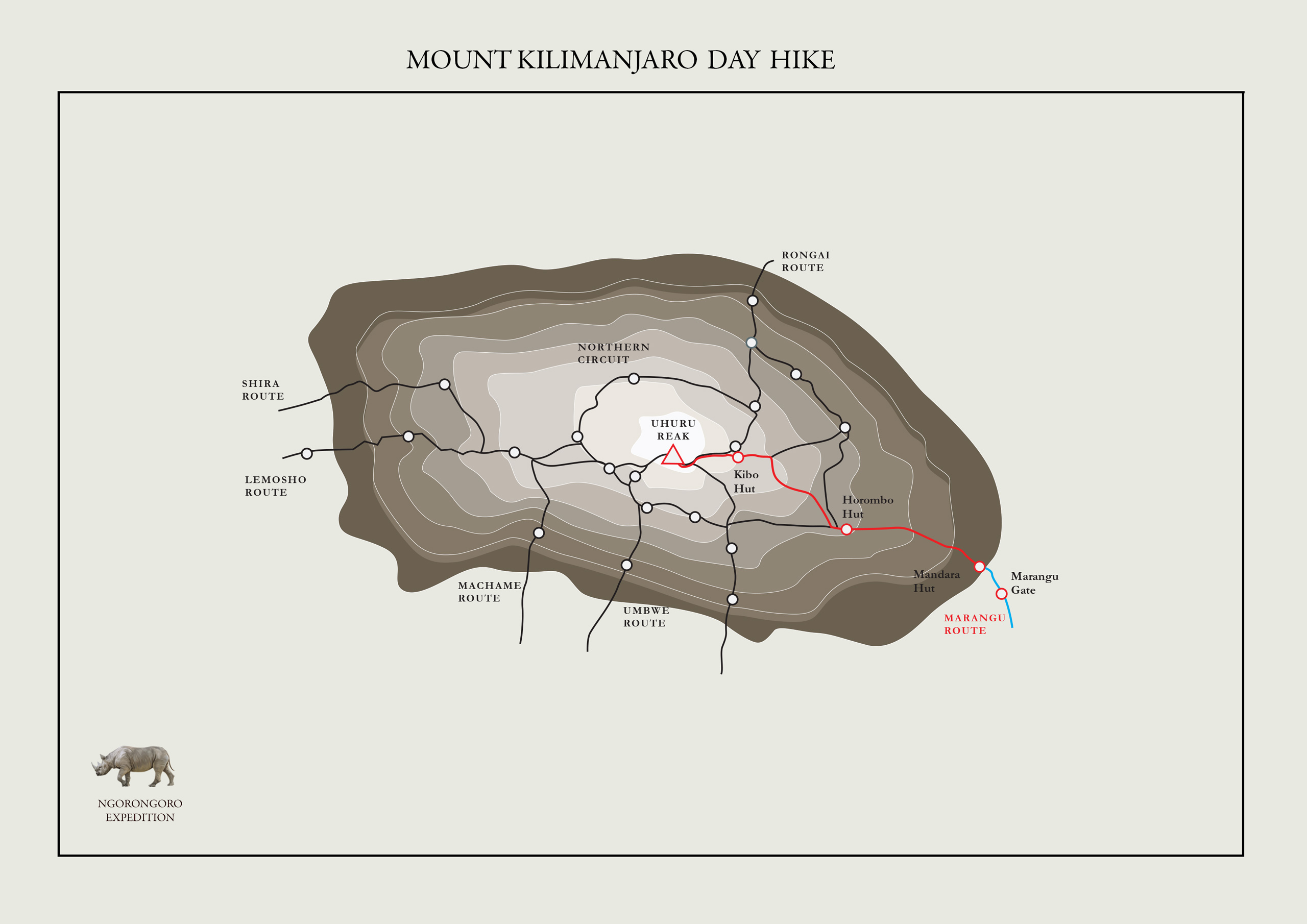
 Mount Kilimanjaro offers several well established routes  to the summit, each varying in scenery, difficulty, and success rate. Understanding the different Mount Kilimanjaro routes is an essential part of any reliable Mount Kilimanjaro climbing guide, especially for travelers planning to climb Mount Kilimanjaro in Tanzania. Choosing the right route can greatly affect acclimatization, comfort, and overall summit experience.

Some routes are known for their gradual ascent and higher success rates, while others are shorter and more challenging. Popular options include routes that approach the mountain from different sides, offering diverse landscapes ranging from rainforest to alpine desert. A well-prepared Mount Kilimanjaro climbing guide explains how route length, altitude gain, and rest days play a major role in helping climbers safely reach the summit of mount kilimanjaro.

When planning to climb Mount Kilimanjaro in Tanzania, climbers should consider factors such as fitness level, available time, and personal preferences for scenery and crowd levels. Each of the main Mount Kilimanjaro routes provides a unique way to experience Kilimanjaro, making the mountain accessible to both first-time trekkers and experienced hikers. Understanding these differences ensures a safer, more enjoyable journey on mount kilimanjaro.

mount kilimanjaro guide

Machame Route vs Marangu Route: Which Is Best for You?

The Machame Route is generally considered the best route to climb Mount Kilimanjaro, especially for climbers seeking higher summit success rates, better acclimatization, and outstanding scenery. Among the many Mount Kilimanjaro routes, the Machame Route is widely recommended by every professional Mount Kilimanjaro climbing guide because it follows the “climb high, sleep low” principle, which is essential when planning to climb Mount Kilimanjaro safely.

The Machame Route, often called the Whiskey Route, is known for its diverse landscapes, longer trekking days, and improved altitude adaptation. This route allows climbers more time to adjust to elevation, significantly increasing the chances of reaching Uhuru Peak. Although the Machame Route involves camping and steeper sections, it remains one of the most popular Kilimanjaro routes for climbers focused on success and experience.

The Marangu Route, also referred to as the Coca cola route is preferred by climbers who value comfort and simpler logistics. Located on the eastern side of the mountain in Marangu, Tanzania, this route is the only option offering hut accommodation. The Marangu Route has gentler trail gradients and a more direct path, but its shorter itinerary provides less time for acclimatization, which can lower summit success rates when attempting to climb Mount Kilimanjaro.

In summary, when choosing between these classic Mount Kilimanjaro routes, select the Machame Route for better acclimatization, higher success rates, and scenic variety, and choose the Marangu Route if comfort, hut accommodation, and ease are your main priorities. This comparison helps climbers confidently choose the best route to reach the summit of Mount Kilimanjaro.

Lemosho and Northern Circuit Routes for High Summit Success

 Lemosho and Northern Circuit routes as the best options for climbers focused on safety, scenery, and summit success. These routes are among the longest and most carefully designed Mount Kilimanjaro routes, offering excellent acclimatization for those interested in climbing Kilimanjaro through a gradual and well-paced ascent on Mount Kilimanjaro.

The Lemosho route, also known as the Mount Kilimanjaro Lemosho Route, begins on the western side of the mountain and is widely praised in every professional Mount Kilimanjaro climbing guide. This route allows climbers to experience quiet trails, open moorlands, and dramatic views while Mount Kilimanjaro trekking toward the Kilimanjaro peak. Because of its longer duration, the Lemosho route provides strong acclimatization benefits and higher success rates.

The Northern Circuit route extends beyond the Lemosho approach, making it the longest of all Kilimanjaro routes. It circles the mountain’s remote northern slopes before approaching the summit, reducing crowding and increasing the chance of a successful climb. According to a trusted Mount Kilimanjaro guide, these routes are ideal for trekkers seeking a steady ascent, breathtaking scenery, and the best opportunity to reach the Kilimanjaro peak safely while climbing Kilimanjaro.
Mount Kilimanjaro Guide

Best Time to Climb Mount Kilimanjaro 

 The best time to climb Mount Kilimanjaro is during the dry seasons, when weather conditions are more stable, skies are clear, and trails are safer for anyone planning to climb Mount Kilimanjaro Tanzania. Choosing the right months can greatly improve your chances of a successful summit and make the trek more enjoyable. The most recommended months are:

  • January to March – This period is ideal for climbers who prefer fewer crowds and slightly warmer temperatures. It is perfect for a relaxed Kilimanjaro hike or hiking Kilimanjaro while enjoying the changing landscapes, lush vegetation in the rainforest zone, and wildlife sightings along the route. The trails are generally dry, making the climb safer and more comfortable.
  • June to October these months are excellent for clear skies, cooler temperatures, and more predictable conditions. It is the most popular period for a Kilimanjaro trek, as it allows climbers to experience stunning sunrises at Uhuru Peak, better visibility throughout all climate zones, and safer trail conditions. This period increases the likelihood of a successful summit when climbing Kilimanjaro.

By planning your climb during either of these dry seasons, you maximize safety, comfort, and your overall trekking experience. These months are widely regarded as the best time to climb Mount Kilimanjaro Tanzania, ensuring a memorable and rewarding adventure on Africa’s highest mountain.

How Difficult Is It to Climb Mount Kilimanjaro?

Climbing Mount Kilimanjaro is widely seen as tough but achievable for people who prepare properly. According to our trusted Mount Kilimanjaro climbing guide, the main difficulty comes from altitude rather than technical climbing skills. Reaching Africa highest peak requires physical endurance, mental determination, and the ability to cope with long days on a Kilimanjaro hike.

For anyone planning to climb Mount Kilimanjaro Tanzania, adjusting to high altitude is the greatest challenge. The mountain does not require ropes or technical equipment, but extended walking hours, cold temperatures, and reduced oxygen levels can test the body. Those aiming to climb kilimanjaro are advised to move at a steady pace and follow guidance from an experienced Mount Kilimanjaro climbing guide.

With proper preparation and professional support, many climbers successfully reach the summit of Mount Kilimanjaro. While standing on Africa highest peak is physically demanding, it is possible even for first-time trekkers who train well and respect the mountain. A well-organized Kilimanjaro hike helps manage the difficulty while allowing climbers to enjoy the journey.

Mount Kilimanjaro Altitude Sickness and Acclimatization Tips

Altitude sickness is one of the main challenges climbers face on Mount Kilimanjaro, and knowing how it affects the body is essential for a safe climb. Any experienced Mount Kilimanjaro guide will explain that altitude sickness happens when the body does not adapt quickly enough to lower oxygen levels as elevation increases. While ascending Kilimanjaro, climbers may experience symptoms such as tiredness, headaches, or loss of appetite, which should never be ignored.

According to a professional Mount Kilimanjaro climbing guide, proper acclimatization is the most effective way to reduce altitude risks. Moving at a slow and steady pace, following the scheduled itinerary, drinking enough water, and allowing time for rest all help the body adjust naturally. When planning to climb Kilimanjaro, climbers are encouraged to communicate openly with their guides and report any discomfort early to prevent serious complications.

Managing altitude correctly on Mount Kilimanjaro greatly improves the chance of a successful summit. Choosing routes with gradual elevation gain and listening carefully to guidance from a trusted Mount Kilimanjaro guide are key factors for safety. With the right preparation and awareness, climbers can adapt well to altitude and enjoy a safer and more confident journey on Altitude sickness is one of the main challenges climbers face on Kilimanjaro

Mount Kilimanjaro Packing List and Essential Gear Checklist

Mount Kilimanjaro guide recommendations for packing are essential for a safe and comfortable climb. Because conditions change dramatically from the lower slopes to the summit, climbers must be prepared for a wide range of temperatures and weather. A detailed checklist helps ensure nothing important is forgotten when planning the ascent.

According to a professional Mount Kilimanjaro climbing guide, clothing should be layered to allow easy adjustment as conditions change. Waterproof outerwear, insulated jackets, moisture-wicking base layers, and sturdy hiking boots are all critical. Proper gear not only improves comfort but also reduces the risk of cold-related injuries at higher elevations.

Beyond clothing, a complete Mount Kilimanjaro guide also emphasizes the importance of personal equipment such as trekking poles, a quality sleeping bag, a headlamp, and sun protection. Medical supplies, energy snacks, and refillable water bottles are equally important. Packing correctly plays a major role in overall safety and summit success, making a well-planned gear checklist a key part of any Mount Kilimanjaro climbing guide.

Mount Kilimanjaro Permits, Park Fees, and Climbing Costs

Anyone planning to explore Mount Kilimanjaro in Tanzania must understand the permits and fees required before starting the climb. All climbers are required to obtain official permission through Kilimanjaro National Park, and independent climbing is not allowed. These permits help regulate visitor numbers, protect the environment, and support conservation efforts around the mountain.

When you climb Mount Kilimanjaro Tanzania, park fees make up a significant portion of the total cost. These fees are charged per day and include conservation fees, camping or hut fees, rescue services, and crew-related costs. The final amount depends on the route chosen, the number of days on the mountain, and whether climbers use camping or hut accommodations. Longer routes generally cost more but offer better acclimatization and higher success rates.

In addition to park fees, overall climbing costs on Tanzania Mount Kilimanjaro include guide services, porters, food, equipment, and transportation. When preparing to climb Mount Kilimanjaro Tanzania, it is important to choose a licensed operator that follows park regulations and provides fair wages to staff. Understanding permits and fees in advance helps climbers budget accurately and ensures a smooth and responsible experience on the mountain.

Mount Kilimanjaro Safety, Guides, and Porter Support Explained

Mount Kilimanjaro guide standards place safety as the highest priority for anyone attempting the climb. Due to high altitude, changing weather, and challenging terrain, climbers are required to use licensed professionals on the mountain. Following the advice of an experienced team greatly reduces risks and improves overall success.

A qualified Mount Kilimanjaro climbing guide is trained in altitude awareness, first aid, and emergency response. Guides monitor climbers’ health daily, manage pacing, and make critical decisions regarding acclimatization and descent if necessary. Their knowledge of the mountain’s routes and conditions is essential for keeping climbers safe throughout the journey.

Porter support is another vital part of climbing operations on Mount Kilimanjaro. Porters carry equipment, food, and camping gear, allowing climbers to focus on walking and adjusting to altitude. Every responsible Mount Kilimanjaro guide emphasizes ethical porter treatment, including fair wages, proper gear, and safe load limits. With professional guides and well-supported teams, climbers can enjoy a safer, more organized, and successful experience on the mountain.

Mount Kilimanjaro Summit Day Experience and Uhuru Peak

This Mount Kilimanjaro guide describe summit day as the most challenging yet rewarding part of the climb. The journey to Mount Kilimanjaro summit (Uhuru Peak) begins in the early hours, often before dawn, as climbers tackle the final stretch of the ascent. Reaching Uhuru Peak, the highest point on Kilimanjaro, is an once-in-a-lifetime experience that combines physical achievement with breathtaking views.

Climbers on this day navigate steep terrain, icy conditions, and extreme temperatures. Following a trusted Mount Kilimanjaro guide is essential for pacing, safety, and altitude management. Every step toward the Kilimanjaro peak requires careful attention, but the sense of accomplishment upon reaching kilimanjaro summit is unmatched. Many climbers take photos, celebrate, and soak in the vast African landscape at the top of kilimanjaro.

After reaching Uhuru Peak, climbers descend carefully to lower camps, where they can rest and recover. A professional Mount Kilimanjaro guide ensures safe navigation down the mountain while providing support for both physical and mental recovery. Summiting Mount Kilimanjaro is not only a personal achievement but also a testament to preparation, resilience, and the guidance provided by experienced kilimanjaro experts.

FAQs – Complete Guide to Mount Kilimanjaro

Where is Mount Kilimanjaro located in Africa?

Mount Kilimanjaro in Africa is found in northern Tanzania, close to the Kenya–Tanzania border. The mountain sits inside Kilimanjaro National Park, and climbers usually access it through the towns of Moshi or Arusha.

  1. What is the Mount Kilimanjaro height?

The official Mount Kilimanjaro height is 5,895 meters (19,341 feet) above sea level. This makes it Africa’s tallest mountain and the highest free-standing mountain on Earth.

  1. How can I get to Mount Kilimanjaro?

Visitors traveling to Mount Kilimanjaro in Africa normally arrive via Kilimanjaro International Airport (JRO). From there, a road transfer leads to Moshi or Arusha, where trekking arrangements and guides are based.

  1. What is the best time to climb Mount Kilimanjaro?

The best periods to climb Mount Kilimanjaro Tanzania are the dry months of January to March and June to October, when weather conditions are generally clearer and trails are safer.

  1. How many climbing routes are there on Mount Kilimanjaro?

Several popular Mount Kilimanjaro routes are available, including Machame, Marangu, Lemosho, Rongai, and the Northern Circuit. Each route offers different scenery, distances, and acclimatization profiles.

  1. How difficult is it to climb Mount Kilimanjaro?

Climbing Mount Kilimanjaro in Africa is physically demanding due to altitude, but it does not involve technical climbing. Following a proper schedule and using an experienced Mount Kilimanjaro guide greatly increases success rates.

  1. What should I bring when I climb Mount Kilimanjaro?

When planning to climb Kilimanjaro, climbers should pack insulated clothing, reliable hiking boots, waterproof layers, gloves, and trekking poles. A detailed Mount Kilimanjaro climbing guide explains all required gear.

  1. Can anyone climb Mount Kilimanjaro?

Most people in good health can climb Mount Kilimanjaro Tanzania. Success depends more on preparation, fitness, and acclimatization than on age or previous mountaineering experience.

  1. What wildlife and plants can I see on Mount Kilimanjaro?

Mount Kilimanjaro in Africa features a range of ecosystems, from rainforest zones with wildlife to high-altitude areas with specialized alpine plants adapted to extreme conditions.

  1. What is the summit of Mount Kilimanjaro called?

The highest point is Uhuru Peak, located on the Kibo volcanic cone. Standing at this summit is the defining moment of any climb Mount Kilimanjaro Tanzania, offering sweeping views across the region.

Plan your Trip

Ready to start planning your own incredible adventure?
We make the process stress-free and enjoyable.