
Complete Guide to Tarangire National Park 2026
Complete Guide to Tarangire National Park
The complete guide to Tarangire National Park will help you understand one of Tanzania’s most beautiful safari destinations. Located about 120 kilometers southwest of Arusha, the park is famous for its large elephant herds, iconic baobab trees, and rich wildlife. Tarangire covers about 2,850 square kilometers and is named after the Tarangire River, which provides an important water source for animals during the dry season.
During the dry months, many animals gather near the river, creating excellent wildlife viewing opportunities. Visitors can often see elephants, lions, giraffes, zebras, wildebeests, and buffalo, along with more than 500 bird species. This complete guide to Tarangire National Park will help you understand the best time to visit, the wildlife you can see, and useful tips for planning an unforgettable safari in Tanzania.
Where Does the Name Tarangire National Park Come From?
The name Tarangire National Park comes from the Tarangire River, which flows through the park and plays an important role in supporting wildlife. The word Tarangire is believed to come from the language of the Mbugwe (Wambugwe) tribe, one of the local communities living near the area. It is formed from two words: “Tara,” meaning river, and “Ngire,” meaning warthog. When combined, the name is often interpreted as “River of Warthogs.”
This name reflects the natural environment around the river, where warthogs have long been commonly seen along the riverbanks and open plains. The Tarangire River is also the most important water source in the park, especially during the dry season when animals from surrounding areas move toward the river to drink.
When the area was officially established as Tarangire National Park in 1970, the park adopted the name of this river. Today, the Tarangire River remains the lifeline of the park, attracting elephants, zebras, wildebeest, and many other animals throughout the year.
Where is Tarangire National Park Located & Size?
Tarangire National Park is located in northern Tanzania, in the Manyara Region, about 120 kilometres (75 miles) southwest of Arusha. Arusha is the main safari gateway for travellers visiting northern Tanzania, making Tarangire one of the most accessible national parks in the region.
The park lies slightly southeast of Lake Manyara National Park and forms part of the famous Northern Safari Circuit. It is also positioned not far from other major wildlife destinations such as Ngorongoro Crater and Serengeti National Park, which are commonly visited together on safari itineraries.
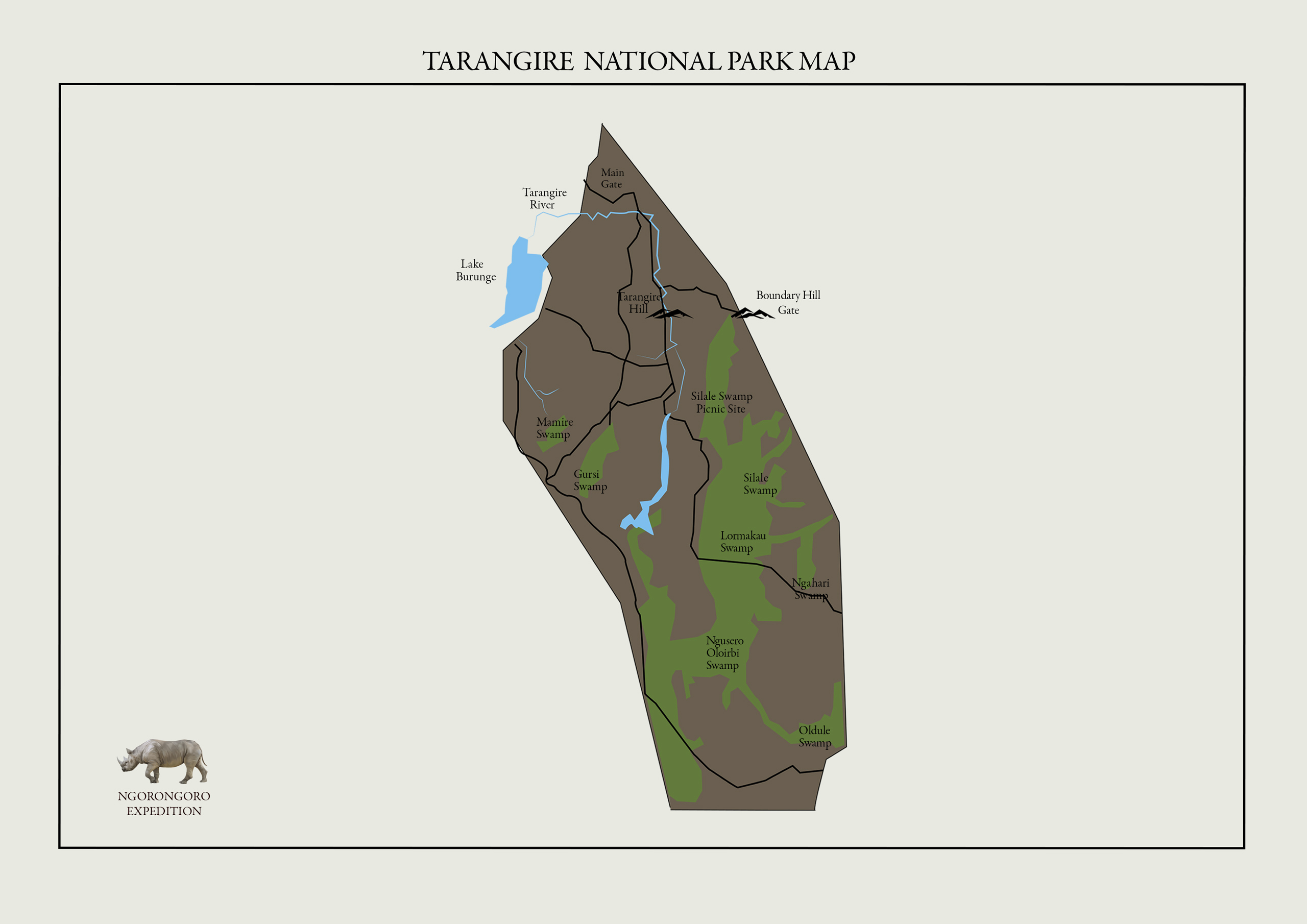
Tarangire National Park is bordered by several conservation and wildlife management areas, allowing animals to move between ecosystems during different seasons. The park sits within a semi-arid landscape of northern Tanzania and is crossed by the Tarangire River, which runs from the northern part of the park toward the south.
Because of its location close to Arusha and other parks in the northern circuit, Tarangire is often the first or second stop on many Tanzania safari routes, making it a convenient and important destination for visitors exploring the wildlife-rich northern region of the country.
Tarangire National Park Size
Tarangire National Park covers an area of about 2,850 square kilometres (1,100 square miles), making it one of the larger parks in Tanzania’s northern safari region. The park sits within a semi-arid landscape characterized by open savannah, acacia woodlands, seasonal swamps, and scattered baobab trees.
Tarangire National Park Map
What is Tarangire National Park Known For?
Tarangire National Park is best known for its large elephant herds, iconic baobab trees, and exceptional wildlife viewing during the dry season. Located in northern Tanzania, the park becomes a vital refuge for animals when water sources in the surrounding areas dry up. Thousands of animals migrate into Tarangire to drink from the Tarangire River, the park’s main permanent water source.
One of the most remarkable features of Tarangire National Park is its high concentration of elephants, often seen traveling in large family groups across the savannah. The park is also famous for its ancient baobab trees, which dominate the landscape and create one of the most unique safari environments in Tanzania.
In addition to elephants, visitors can see a wide variety of wildlife, including lions, giraffes, zebras, wildebeest, buffalo, leopards, and more than 500 bird species. Because of this rich biodiversity and dramatic scenery, Tarangire National Park is considered one of the highlights of Tanzania’s Northern Safari Circuit, often included in safari itineraries together with Serengeti National Park, Ngorongoro Crater, and Lake Manyara National Park.
How to get to Tarangire National Park
Visitors can reach Tarangire National Park mainly by road or air, with most safaris starting from Arusha, the main safari hub in northern Tanzania.
By Road
The most common way to reach Tarangire National Park is by road from Arusha. The park is about 120 kilometres (75 miles) away, and the journey usually takes two to three hours, depending on traffic and road conditions. Visitors travel through small towns and scenic countryside before arriving at the park entrance. Many safari companies include Tarangire as the first stop in a northern Tanzania safari that may also visit Lake Manyara National Park, Ngorongoro Crater, and Serengeti National Park.
By Air
Tarangire can also be reached by small charter or scheduled safari flights. Flights usually depart from Arusha Airport or Kilimanjaro International Airport and land at nearby airstrips, such as Kuro, that serve the park. Flying is a faster option and allows visitors to enjoy aerial views of Tanzania’s landscapes before starting their safari experience.
Best Time to Visit Tarangire National Park
| Jan | Feb | Mar | Apr | May | Jun | Jul | Aug | Sep | Oct | Nov | Dec |
The best time to visit Tarangire National Park depends on what type of safari experience you want. The park changes throughout the year, and each season offers something unique for visitors.
Dry Season (June – October)
This is widely considered the best period for wildlife viewing. During these months, many smaller water sources in the surrounding areas dry up, and large numbers of animals move toward the Tarangire River. As a result, visitors can see impressive gatherings of elephants, zebras, wildebeest, buffalo, and other wildlife along the riverbanks. Because animals concentrate near water, game drives are often very rewarding.
Green or Wet Season (November – May)
During the rainy months, the park becomes greener, and the landscape looks fresh and beautiful. Wildlife spreads out across the park because water and grass are more available in many places. Although animals are less concentrated, this season is excellent for birdwatching. More than 550 bird species can be seen in Tarangire, including many migratory birds that arrive during this time.
Calving Season (January – March)
This period is part of the green season and is a special time for wildlife lovers. Many animals give birth during these months, so visitors may see newborn calves and young animals learning to move with the herds. The scenery is also lush and photogenic, and safari camps and lodges are often less crowded.
Low Rain Season (April – May)
These months usually receive the heaviest rains. Some lodges may close temporarily, and wildlife can be harder to find. However, the park is very quiet during this time, making it a peaceful option for travelers who prefer fewer visitors and lower accommodation prices.
Because of these seasonal changes, Tarangire National Park offers different experiences throughout the year, allowing travelers to choose the best time based on their interests.
Park Fees Entry and Safari Cost? (2026)
Planning a safari adventure to Tarangire National Park requires careful consideration to ensure a smooth and enjoyable experience. One of the first steps is to determine the best time to visit based on your interests..
Category | Fee (USD) | Notes |
Adult Non-resident (+16) | $59 | per person per day |
Child Non-resident | $18 | ages 5–15 |
Tanzanian Resident Adult | TZS 11,800 | approx. $8 |
Tanzanian Resident Child | TZS 2,360 | approx. $4 |
Expartriate Adults (+16) | $ 30 | Ages (+16 -Above) |
| Expartriate Child (5 -15) | $ 9 | Ages (5 -15) |
Wildlife in Tarangire National Park
The main animals found in Tarangire National Park include elephants, lions, giraffes, zebras, wildebeest, African buffalo, leopards, cheetahs, hyenas, jackals, and several antelope species. These animals live across the park’s savannah plains, acacia woodlands, and river valleys, making Tarangire one of the best wildlife destinations in northern Tanzania.
Tarangire National Park is especially famous for its large elephant population and diverse wildlife. The Tarangire River flows through the park year-round and attracts many animals during the dry season, making wildlife viewing in Tarangire excellent.
The Big Five in Tarangire National Park
Tarangire National Park is home to several members of Africa’s famous Big Five. Visitors can commonly see elephants, lions, leopards, and African buffalo in the park. Elephants are the most frequently seen and are often observed in large herds. Lions are also regularly spotted resting in the shade or moving through the grasslands, while leopards are more elusive and usually seen in trees or dense vegetation. Although the rhino, which is the fifth member of the Big Five, is not found in Tarangire, the park still offers excellent opportunities to see the other four species.
Elephants, Buffalo, Zebras, and Wildebeest
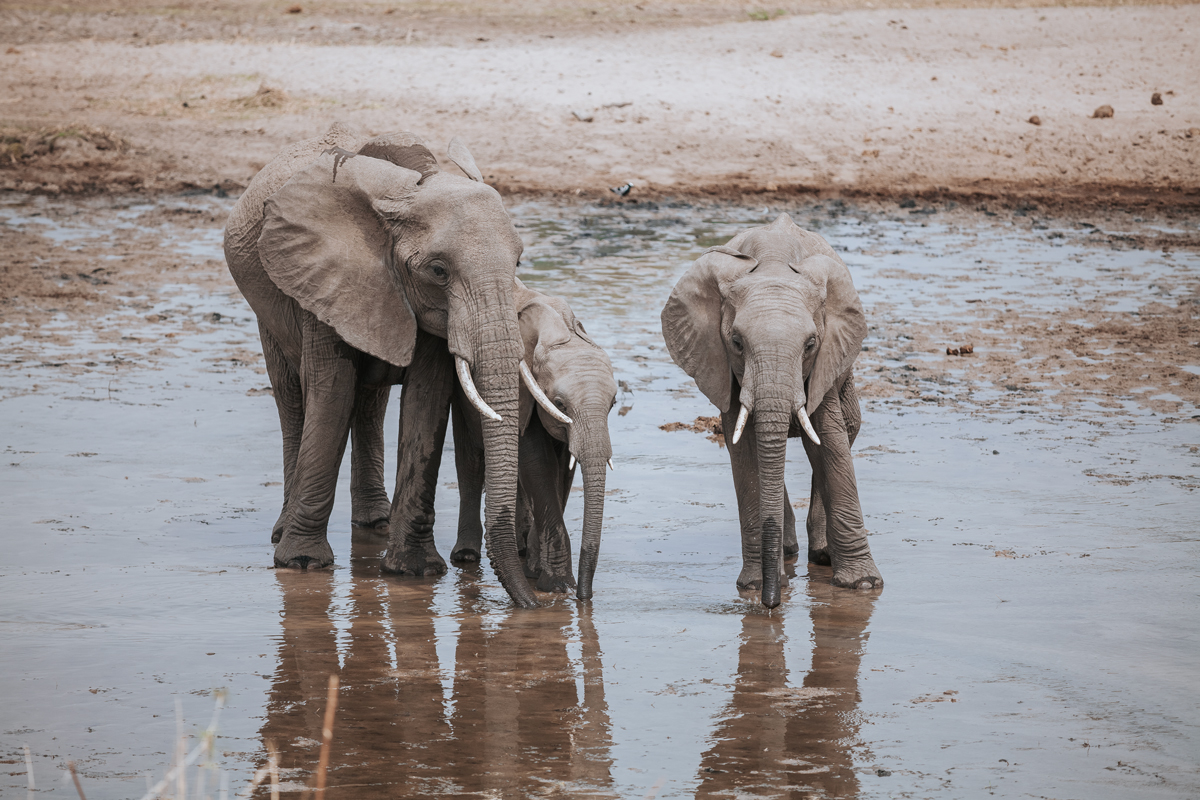
Tarangire is well known for its large elephant herds, and these animals are considered abundant in the park. Visitors can often see big family groups moving across the plains or gathering near the Tarangire River during the dry season. African buffalo, zebras, and wildebeest are also abundant and are commonly seen grazing in open areas of the park.
Giraffes and Hippos
Giraffes are another common sight in Tarangire National Park and are often seen feeding on acacia trees across the savannah. Hippos live in the park’s rivers and waterholes, where they spend much of the day resting in the water to stay cool.
Predators
Tarangire also supports several predators. Lions are relatively common and are often spotted resting under trees or walking through the grasslands. Leopards and cheetahs also live in the park, although they are less frequently seen during game drives.
Other Carnivores
In addition to the larger predators, Tarangire National Park is home to several other carnivores. These include spotted hyenas, black-backed jackals, bat-eared foxes, and African wild cats. Hyenas are often seen scavenging or hunting in groups, especially during the early morning or evening. Jackals and bat-eared foxes are smaller predators that hunt insects, birds, and small mammals across the plains. African wild dogs. African wild dogs are extremely rare in Tarangire, and sightings are uncommon, but they are occasionally reported in nearby conservation areas.
Birdlife & Landscape in Tarangire National Park
Tarangire National Park is known for its rich birdlife and distinctive landscapes, including baobab trees, savannah plains, river valleys, and seasonal swamps. The park supports more than 550 bird species, making it one of the best bird watching destinations in northern Tanzania.
Birdlife in Tarangire National Park
Tarangire National Park is home to over 550 recorded bird species. Common birds found in the park include hornbills, kingfishers, eagles, starlings, ostriches, and secretary birds. During the rainy season, migratory birds arrive in the park, increasing the number of species visitors can see.
Landscape of Tarangire National Park
The landscape of Tarangire National Park includes open savannah, acacia woodlands, seasonal swamps, and the Tarangire River. The park is especially famous for its ancient baobab trees, which dominate the scenery and can live for hundreds of years.
The Tarangire River is the main water source in the park and attracts wildlife during the dry season, while areas such as Silale Swamp remain green and support animals and birds throughout the year.
Tarangire National Park Accommodation
Accommodation in Tarangire National Park ranges from simple public campsites to exclusive luxury lodges set in spectacular natural surroundings. Visitors can choose from high-end safari camps, comfortable mid-range lodges, or affordable tented camps, depending on their budget and travel style.
Luxury Lodges
For travelers seeking an upscale safari experience, several premium lodges provide exceptional comfort, privacy, and outstanding wildlife viewing opportunities. Sanctuary Swala Camp is located in the quieter southern part of the park and offers an exclusive and peaceful atmosphere surrounded by nature. Elewana Tarangire Treetops is famous for its unique elevated treehouse-style rooms that overlook the surrounding savannah. Another elegant option is Nimali Tarangire, known for its intimate setting, stylish design, and close access to wildlife areas.
Mid-Range Accommodation
Mid-range lodges provide a balance between comfort and affordability while still offering a memorable safari experience. Tarangire Sopa Lodge is one of the largest lodges in the park and is well-suited for families thanks to its spacious rooms and facilities. Tarangire Safari Lodge is well known for its spectacular views of the Tarangire River, where animals frequently gather. Maramboi Tented Camp, located near Lake Manyara and Tarangire, offers comfortable tented accommodation with beautiful scenery and frequent wildlife sightings nearby.
Budget Options
Travelers looking for affordable accommodation can stay at public campsites inside Tarangire National Park. These campsites offer a simple and authentic safari experience close to nature, where visitors can enjoy the sounds of wildlife at night and the beauty of the surrounding landscape. Facilities are basic but suitable for budget travelers and adventure seekers.
Another good option is Whistling Thorn Tented Camp, located just outside the park boundary. It offers comfortable tents, friendly service, and easy access to the park for daily game drives, making it a great choice for travelers who want a budget-friendly stay while still enjoying a memorable safari experience.

Tarangire National Park Safari Itinerary
1. Day Trip from Arusha to Tarangire National Park
A day trip to Tarangire is perfect for travelers who have limited time but still want to experience an authentic African safari. Since the park is located about two hours from Arusha, it is possible to explore the park and return on the same day.
Morning
Depart early from Arusha and drive to Tarangire National Park. After entering the park, begin a morning game drive through the savannah landscapes filled with giant baobab trees. During this time, you may see elephants, giraffes, zebras, wildebeests, and many other animals.
Midday
Enjoy a picnic lunch at a scenic spot inside the park, often near the Tarangire River where wildlife frequently gathers to drink water.
Afternoon
Continue with an afternoon game drive before leaving the park and driving back to Arusha in the evening. This itinerary is ideal for travelers who want a short but rewarding safari experience.
- 5-Day Northern Safari Circuit Itinerary
2. 5-Day Northern Safari Circuit Itinerary
This is one of the most popular safari routes in Tanzania, combining several famous parks in the Northern Safari Circuit for a complete and unforgettable wildlife experience. The journey allows travelers to explore a variety of landscapes, including open savannah plains, acacia woodlands, lake ecosystems, and volcanic highlands. Along the way, visitors can witness diverse wildlife and some of the most beautiful natural scenery in East Africa.
Day 1 – Arusha to Tarangire National Park Safari
Travel from Arusha to Tarangire National Park and enjoy an afternoon game drive while spotting elephants, lions, and other wildlife. Tarangire is well known for its large elephant population and its iconic baobab trees that dominate the landscape. During the game drive, you may also see giraffes, zebras, wildebeests, and several species of antelope.
Day 2 – Full-Day Wildlife Exploration in Tarangire
Spend the day exploring Tarangire with additional game drives and enjoy the park’s beautiful landscapes and rich wildlife. The Tarangire River attracts many animals, especially during the dry season, making it one of the best places to observe wildlife gathering around water. Visitors can also enjoy excellent birdwatching with hundreds of bird species recorded in the park.
Day 3 – Lake Manyara National Park Safari
Drive to Lake Manyara National Park for a game drive through its forest and lakeside habitats known for birdlife and tree-climbing lions. The park features a unique mix of environments including groundwater forests, open grasslands, and the alkaline lake itself. In addition to lions, you may see elephants, hippos, baboons, and large flocks of flamingos and other water birds.
Day 4 – Ngorongoro Crater Wildlife Safari
Visit the Ngorongoro Crater and descend into the crater floor for a full day of wildlife viewing with chances to see the Big Five. The crater is one of Africa’s most remarkable wildlife areas and supports a dense concentration of animals throughout the year. While exploring the crater floor, visitors often encounter lions, elephants, buffalo, hyenas, and sometimes the endangered black rhino.
Day 5 – Return Journey to Arusha
After breakfast, enjoy a relaxed morning before beginning the drive back to Arusha. Along the way, you can take in the beautiful scenery of the Ngorongoro Highlands and the surrounding countryside. Arrival in Arusha marks the end of your memorable safari journey through northern Tanzania.
1. Day Trip from Arusha to Tarangire National Park
A day trip to Tarangire is perfect for travelers who have limited time but still want to experience an authentic African safari. Since the park is located about two hours from Arusha, it is possible to explore the park and return on the same day.
Morning
Depart early from Arusha and drive to Tarangire National Park. After entering the park, begin a morning game drive through the savannah landscapes filled with giant baobab trees. During this time, you may see elephants, giraffes, zebras, wildebeests, and many other animals.
Midday
Enjoy a picnic lunch at a scenic spot inside the park, often near the Tarangire River where wildlife frequently gathers to drink water.
Afternoon
Continue with an afternoon game drive before leaving the park and driving back to Arusha in the evening. This itinerary is ideal for travelers who want a short but rewarding safari experience.
- 5-Day Northern Safari Circuit Itinerary
2. 5-Day Northern Safari Circuit Itinerary
This is one of the most popular safari routes in Tanzania, combining several famous parks in the Northern Safari Circuit for a complete and unforgettable wildlife experience. The journey allows travelers to explore a variety of landscapes, including open savannah plains, acacia woodlands, lake ecosystems, and volcanic highlands. Along the way, visitors can witness diverse wildlife and some of the most beautiful natural scenery in East Africa.
Day 1 – Arusha to Tarangire National Park Safari
Travel from Arusha to Tarangire National Park and enjoy an afternoon game drive while spotting elephants, lions, and other wildlife. Tarangire is well known for its large elephant population and its iconic baobab trees that dominate the landscape. During the game drive, you may also see giraffes, zebras, wildebeests, and several species of antelope.
Day 2 – Full-Day Wildlife Exploration in Tarangire
Spend the day exploring Tarangire with additional game drives and enjoy the park’s beautiful landscapes and rich wildlife. The Tarangire River attracts many animals, especially during the dry season, making it one of the best places to observe wildlife gathering around water. Visitors can also enjoy excellent birdwatching with hundreds of bird species recorded in the park.
Day 3 – Lake Manyara National Park Safari
Drive to Lake Manyara National Park for a game drive through its forest and lakeside habitats known for birdlife and tree-climbing lions. The park features a unique mix of environments including groundwater forests, open grasslands, and the alkaline lake itself. In addition to lions, you may see elephants, hippos, baboons, and large flocks of flamingos and other water birds.
Day 4 – Ngorongoro Crater Wildlife Safari
Visit the Ngorongoro Crater and descend into the crater floor for a full day of wildlife viewing with chances to see the Big Five. The crater is one of Africa’s most remarkable wildlife areas and supports a dense concentration of animals throughout the year. While exploring the crater floor, visitors often encounter lions, elephants, buffalo, hyenas, and sometimes the endangered black rhino.
Day 5 – Return Journey to Arusha
After breakfast, enjoy a relaxed morning before beginning the drive back to Arusha. Along the way, you can take in the beautiful scenery of the Ngorongoro Highlands and the surrounding countryside. Arrival in Arusha marks the end of your memorable safari journey through northern Tanzania.
Tarangire National Park Packing List
Preparing properly for a safari in Tarangire National Park will help you stay comfortable during long game drives and outdoor activities.
The weather in the park can change throughout the day, with cool mornings and warm afternoons, so packing practical and versatile items is important for a smooth safari experience.
Clothing
- Light, breathable clothing in natural colors such as khaki, beige, or olive
- A warm layer, like a fleece or light jacket, for early morning drives
- Comfortable walking shoes suitable for uneven terrain
- A sun hat or cap to protect from strong sunlight
- UV-protection sunglasses
- A compact rain jacket is necessary when visiting during the rainy months
Safari Essentials
- Binoculars for observing animals at a distance
- A camera with spare batteries and extra memory cards
- A small daypack to carry personal items during game drives
- A refillable water bottle to stay hydrated
- Important travel documents, including passport and booking confirmations
Health and Protection
- Sunscreen with high SPF
- Insect repellent to help prevent bites from mosquitoes and tsetse flies
- Personal medications and a small basic medical kit
- Lip balm and skin moisturizer to prevent dryness
Electronics and Useful Gear
- Portable power bank to charge devices
- Universal travel adapter for charging electronics
- A small flashlight or headlamp for moving around camps at night
- Smartphone or tablet for photos, maps, or travel information
Optional but Helpful Items
- A lightweight scarf or buff to protect against dust during drives
- A wildlife or bird guidebook for identifying animals
- A notebook or travel journal to record safari memories
Packing these items will help you enjoy your safari comfortably while exploring the landscapes and wildlife of Tarangire National Park.
FAQ – Complete Guide to Tarangire National Park
What makes Tarangire National Park special?
Tarangire is know for its large herds of elephants, unique baobab trees, and a remarkable diversity of wildlife. The park is an integral part of Tanzania’s Northern Safari Circuit and is particularly known for the Tarangire River, which becomes a vital water source for animals during the dry season.
When is the ideal time to visit Tarangire National Park?
The best time to visit is during the dry season, which spans from June to October. During these months, animals gather around the Tarangire River, making it easier to spot wildlife such as elephants, lions, and giraffes.
What kinds of wildlife can I encounter in Tarangire?
In addition to its famous elephants, the park is home to lions, leopards, giraffes, zebras, wildebeests, African buffalo, cheetahs, hyenas, and a range of antelope species. It is also a top destination for bird watching, with over 500 bird species recorded in the park.
Are walking safaris offered in Tarangire?
Yes, walking safaris are available, providing an exciting opportunity to explore the park on foot. Led by expert guides, these safaris offer insight into the flora, fauna, and natural history of the area.
Can I visit Tarangire any time of the year?
Is Tarangire a suitable destination for family safaris?
Yes, Tarangire is an excellent choice for families. The park offers accommodations and safari experiences that cater to children, including shorter game drives, educational walks, and kid-friendly activities.
What types of accommodations are there in Tarangire?
Tarangire offers various accommodation options to suit all budgets, from luxury lodges to more affordable campsites. Many of the lodges provide breathtaking views of the park and its wildlife, enhancing your safari experience.
Beyond game drives, what other activities can I enjoy in Tarangire?
Apart from game drives, you can take part in walking safaris, bird watching, cultural tours to nearby Maasai villages, and night game drives (subject to park regulations). Tarangire provides a diverse range of activities for every type of traveler.
What should I Pack when visiting Tarangire National Park?
It’s recommended to pack light, breathable, neutral-colored clothing, sturdy shoes, a hat, sunscreen, and insect repellent. Don’t forget your camera with a zoom lens, binoculars for birdwatching, and a jacket for cooler early mornings and evenings.
How do I reach Tarangire National Park?
Tarangire is located about 120 kilometers southwest of Arusha. It can be easily accessed by car, with a drive taking roughly 2 hours from Arusha or Kilimanjaro. Alternatively, you can fly into nearby airstrips, such as the Tarangire Airstrip.
Plan your Trip
Ready to start planning your own incredible adventure?
We make the process stress-free and enjoyable.