
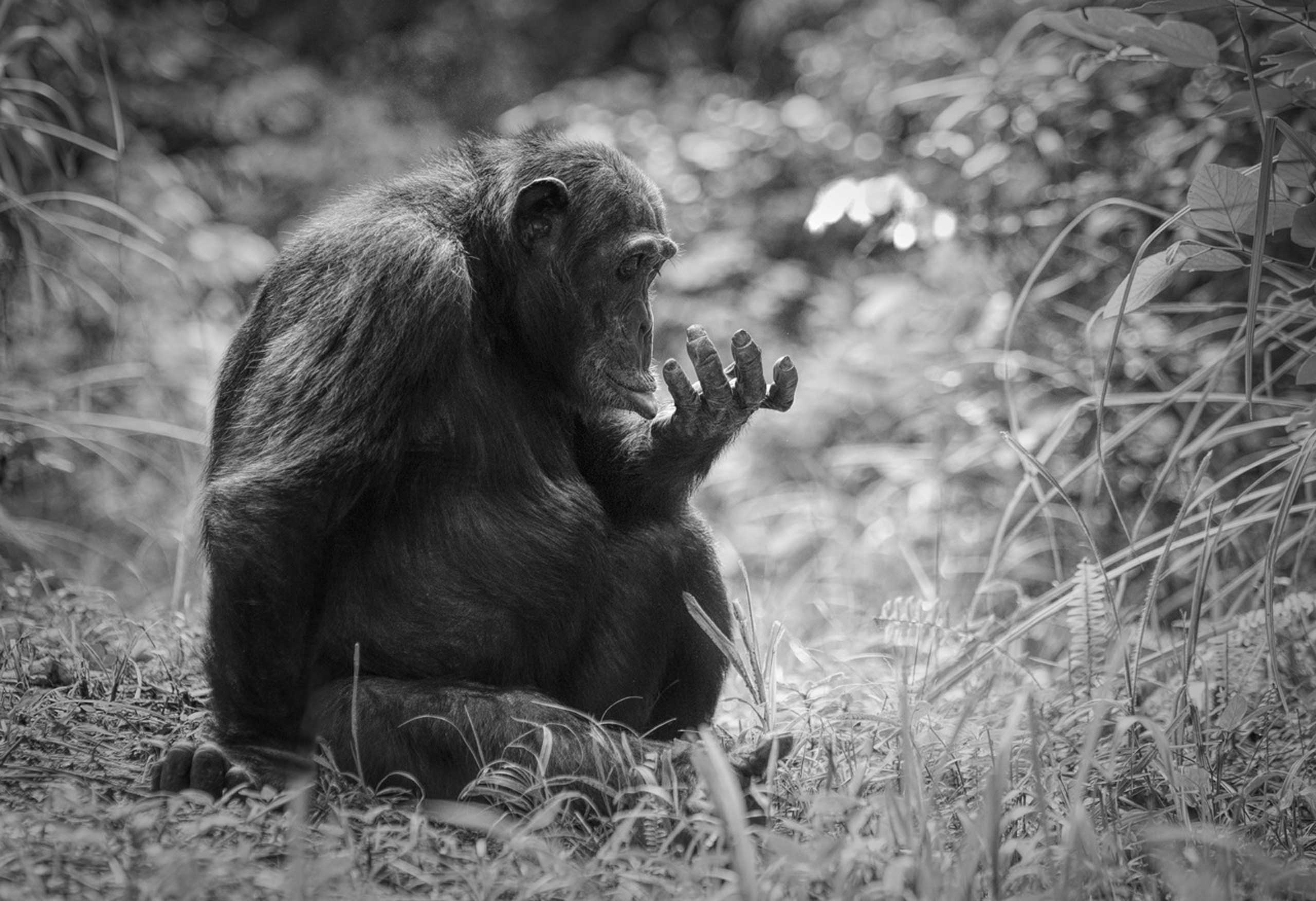
Gombe Stream National Park is the smallest national park in Tanzania, covering only 52 square kilometres (approximately 20 square miles). Despite its modest size, the park is world-renowned for its exceptional biodiversity and its long-standing association with Dr Jane Goodall’s groundbreaking chimpanzee research. The park is located north of Kigoma, along the eastern shores of the magnificent Lake Tanganyika in western Tanzania. Characterised by steep valleys, forested hills, and pristine lakeshore scenery, Gombe Stream National Park offers a unique blend of tropical forest and dramatic landscapes that differ greatly from Tanzania’s more famous savannah parks. Access to the park is only by boat, which adds to its remoteness and adventure. Visitors travel about 16 kilometres (10 miles) by boat from Kigoma town, enjoying views of Lake Tanganyika along the way. This journey is the main way to reach the park and marks the start of an immersive wilderness experience. Although small in size, Gombe Stream National Park is rich in wildlife, most notably wild chimpanzees, olive baboons, red colobus monkeys, and vervet monkeys. Gombe Stream National Park is the smallest national park in Tanzania, covering only 52 square kilometres (approximately 20 square miles). Despite its modest size, the park is world-renowned for its exceptional biodiversity and its long-standing association with Dr Jane Goodall’s groundbreaking chimpanzee research. The park is located north of Kigoma, along the eastern shores of the magnificent Lake Tanganyika in western Tanzania. Characterised by steep valleys, forested hills, and pristine lakeshore scenery, Gombe Stream National Park offers a unique blend of tropical forest and dramatic landscapes that differ greatly from Tanzania’s more famous savannah parks. Access to the park is exclusively by boat, adding to its sense of remoteness and adventure. Visitors travel approximately 16 kilometres (about 10 miles) by boat from Kigoma town, enjoying breathtaking views of Lake Tanganyika along the way. This boat journey not only serves as the primary means of access but also marks the beginning of an immersive wilderness experience. Although small, Gombe Stream National Park is rich in wildlife, especially wild chimpanzees, olive baboons, red colobus monkeys, and vervet monkeys. The park is also home to many bird species and offers excellent opportunities for chimpanzee trekking, guided forest walks, birdwatching, and lakeside relaxation. WHY VISIT GOMBE NATIONAL PARK IN TANZANIA? Gombe Stream National Park is worth visiting because it offers a rare and unforgettable opportunity to observe wild chimpanzees in their natural forest environment. The park is internationally recognized for Dr. Jane Goodall’s pioneering chimpanzee research, which transformed our understanding of primate behavior and made Gombe one of the most important conservation sites in Africa. Chimpanzee trekking here is intimate, educational, and deeply rewarding. Despite being the smallest national park in Tanzania, Gombe offers a peaceful, uncrowded safari experience. Visitor numbers are limited, allowing guests to enjoy close, meaningful encounters with wildlife without disturbance. This makes the park ideal for travelers seeking authenticity, tranquility, and a strong connection to nature. The park’s scenic beauty is another major reason to visit. Gombe is characterized by lush tropical forests, steep valleys, clear streams, and stunning beaches along Lake Tanganyika. The combination of dense forest and crystal-clear lake waters creates a unique landscape that is very different from the open savannahs found in other Tanzanian parks. Accessing the park is an adventure in itself. Gombe is reached only by boat from Kigoma, offering a scenic journey across Lake Tanganyika, one of the world’s deepest and oldest lakes. This boat ride enhances the feeling of remoteness and marks the beginning of a true wilderness experience. In addition to chimpanzees, Gombe is home to a variety of other primates, including olive baboons, red colobus monkeys, blue monkeys, and vervet monkeys, as well as diverse birdlife. Visitors can also enjoy guided forest walks, hiking, bird watching, and lakeside relaxation, making Gombe Stream National Park a unique, educational, and enriching destination for nature lovers and adventure seekers alike |

GOMBE NATIONAL PARK LOCATION Gombe National Park is located in western Tanzania in the Kigoma Region, along the eastern shore of Lake Tanganyika. It lies about 16 kilometers north of Kigoma town and is set on steep, forested hills overlooking the lake, close to the border with the Democratic Republic of the Congo across the water. The park has no road access and can only be reached by boat from Kigoma, making it one of Tanzania’s most remote and unique national parks. WEATHER IN GOMBE NATIONAL PARK Gombe National Park has a tropical climate that is generally warm and humid year-round, influenced by its location along Lake Tanganyika and its forested landscape. Daytime temperatures usually range between 25°C and 30°C (77°F–86°F), while evenings and early mornings are slightly cooler and more comfortable, especially near the lake. The park experiences a dry season from June to October, which is considered the best time for chimpanzee trekking because rainfall is low, trails are easier to navigate, and wildlife movements are more predictable, offering better viewing chances. The wet season lasts from November to May, with the heaviest rains between March and May; during this period, the forest becomes lush and vibrant, birdlife is abundant, and the scenery is at its greenest, though trekking can be more challenging due to muddy, steep, and slippery trails.
WILDLIFE IN GOMBE NATIONAL PARK Blue monkeys are commonly seen moving gracefully through the forest canopy, while olive baboons often gather near park trails and riverbanks. These primates are highly adaptable and play an important role in seed dispersal within the ecosystem. Red Colobus Monkeys The red colobus monkey is one of Gombe’s most striking primates, easily recognized by its long limbs and reddish coat. They live high in the treetops and feed mainly on leaves, making sightings a special highlight for wildlife enthusiasts. Red-Tailed Monkeys Smaller and more agile, red-tailed monkeys are frequently spotted leaping between branches. Their playful behavior and distinctive red tail make them easy to identify during forest walks. Vervet Monkeys Vervet monkeys are commonly found near open areas and along the lakeshore. Known for their curiosity, they often forage in groups and are among the most visible wildlife species in Gombe National Park. Bush Pigs Mostly nocturnal, bush pigs roam the forest floor in search of roots, fruits, and insects. Although shy, they are occasionally seen during early-morning or late-afternoon walks. Hippos Along the shores of Lake Tanganyika, visitors may spot hippos resting in the water during the day. These massive mammals leave the lake at night to graze, adding to the park’s diverse wildlife experience. Small Antelope (Dik-dik) The tiny dik-dik antelope inhabits the woodland and shrub areas of Gombe. Their small size and quick movements make sightings rare but rewarding. Leopards Leopards are the park’s top predators and are rarely seen due to their elusive nature. However, their presence is a sign of a healthy ecosystem and adds an element of wilderness to Gombe National Park.
|
|
POPULAR ACTIVITIES IN GOMBE NATIONAL PARK Despite being Tanzania’s smallest national park, Gombe offers visitors diverse experiences highlighting its rich biodiversity and stunning landscapes. Chimpanzee Trekking Chimpanzee trekking is the highlight of Gombe. Guided by skilled trackers, visitors cross dense forests to observe chimpanzees, famously researched by Jane Goodall. This remarkable encounter shows their intricate social behavior and wild environment. Nature Walks and Hiking Explore the park’s dramatic terrain on foot with a variety of nature trails and hikes. From gentle walks to more challenging treks, you’ll journey through lush forests, river valleys, and rugged slopes, encountering species like red colobus monkeys, bush pigs, and vibrant birdlife along the way. Boat Safaris on Lake Tanganyika A relaxing boat safari on Lake Tanganyika affords a fresh vantage to observe shoreline wildlife. Drift past basking hippos, vivid fish below the surface, and spot birds like kingfishers and herons. Early morning and afternoon outings feel especially enchanting. Bird Watching Home to over 200 bird species, Gombe is a hotspot for bird-watching enthusiasts. Look out for rare and endemic species such as the African fin foot, the beautiful paradise flycatcher, and various colorful sunbirds. Guided bird walks help you spot and identify these feathered gems. Wildlife and Landscape Photography Photographers will discover endless inspiration. Capture intimate chimpanzee portraits, energetic monkeys, or sweeping vistas of Lake Tanganyika—Gombe provides countless opportunities for nature photography in a pristine environment. Sunset Viewing and Relaxation The park’s high vantage points provide mesmerizing views of Lake Tanganyika at sunset. After a day of exploration, unwind and absorb the dazzling colors as the sun drops beyond the horizon. Canoeing and Kayaking For those looking for a bit more adventure, canoeing and kayaking on Lake Tanganyika’s calm waters offer a peaceful way to explore hidden coves and observe aquatic wildlife up close. Camping and Lodge Stays Extend your visit by staying overnight at one of the park’s rustic lodges or campsites. Camping lets you immerse yourself in the forest’s sounds, while lodges provide comfort and direct access to trekking routes. WHERE TO STAY IN GOMBE NATIONAL PAARK
|


