Ngorongoro Expedition and Tours

Lake Manyara National park

LAKE MANYARA NATIONAL PARK

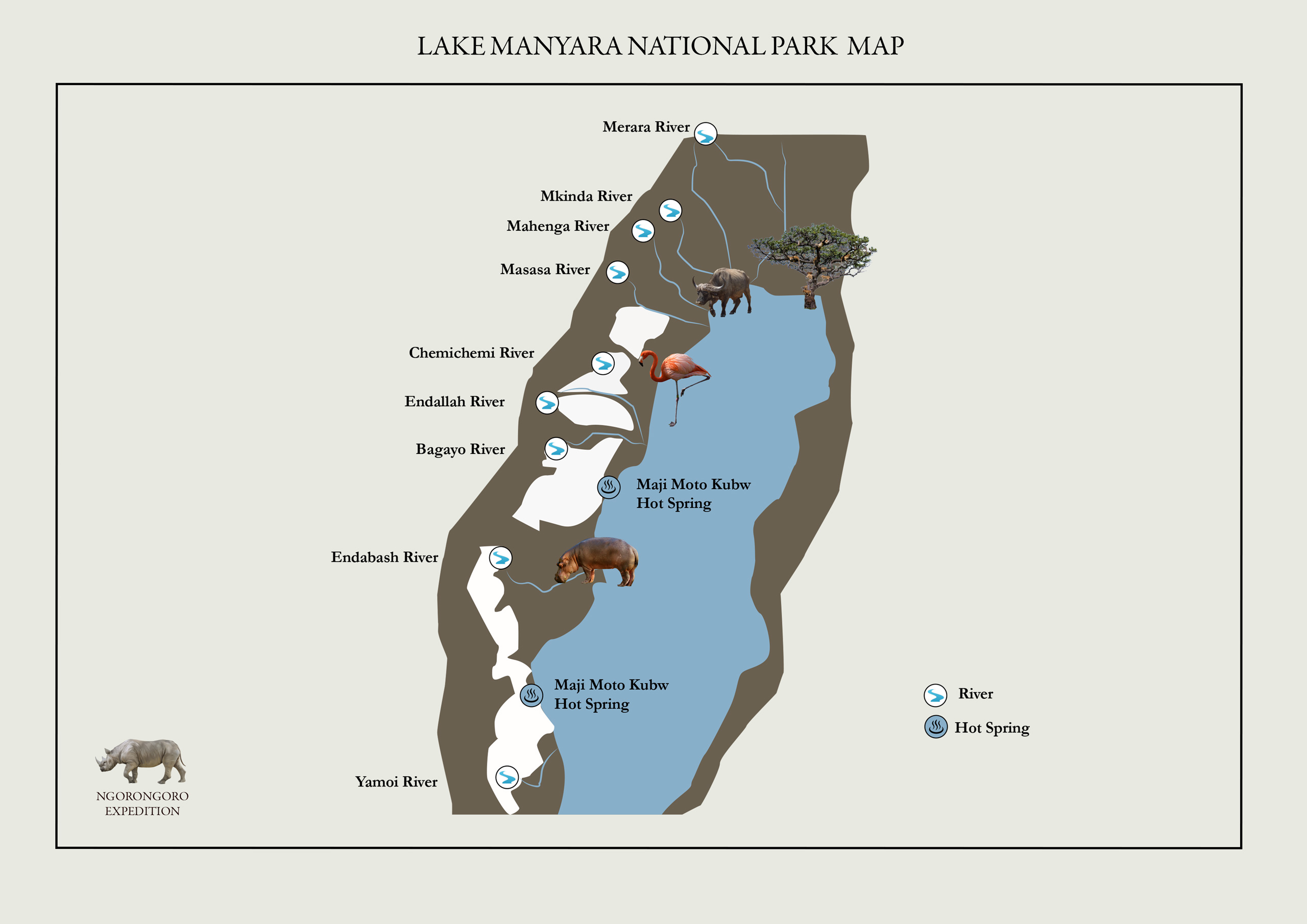
Lake Manyara National Park is named after the Maasai word “Manyara, which refers to a local plant called Euphorbia tirucalli. The park sits in northern Tanzania, and you can reach its main entrance by driving about 1.5 hours (126 km or 80 miles) west from Arusha, near the lively market town of Mto wa Mbu.

Lake Manyara National Park covers about 330 square kilometres (127 square miles), with the lake itself taking up nearly 200 square kilometres (77 square miles) when water levels are high. The park sits between the steep 600-meter escarpment of the Great Rift Valley to the west and the shallow, alkaline waters of Lake Manyara.

A special feature of Lake Manyara National Park is its tree-climbing lions, a rare behavior seen in only a few places in Africa. While most lions rest on the ground, these lions are often spotted relaxing on the branches of large acacia and fig trees. Experts are not sure why they do this, but some think it helps them avoid biting insects, stay cooler, or get a better view of the plains. Seeing these lions in the trees is one of the park’s most famous sights and a highlight for many visitors.

WHY VISIT LAKE MANYARA NATIONAL PARK

Lake Manyara National Park is worth visiting for many compelling reasons, combining scenic beauty, rich wildlife, and cultural experiences in a relatively small but diverse area:
  • Unique tree-climbing lions – The Park is famous for its rare lions that climb trees and rest there, a behaviour seen in very few places in Africa.
  • Spectacular scenery – Set between the Great Rift Valley escarpment and Lake Manyara, the park offers breathtaking landscapes including groundwater forests, open savannah, and the shimmering alkaline lake.
  • Exceptional birdlife – With over 400 bird species, Lake Manyara is a paradise for bird lovers, especially known for large flocks of flamingos, pelicans, storks, and migratory birds.
  • Diverse wildlife in a compact park – Visitors can see elephants, giraffes, buffaloes, hippos, zebras, wildebeest, baboons, and many antelope species within a short game drive.
  • Famous baboon troops – The Park hosts some of the largest baboon populations in Africa, often seen in impressive numbers along the forest roads.
  • Year-round accessibility – Thanks to its location and climate, Lake Manyara National Park can be visited year-round and fits easily into northern Tanzania safari circuits.
  • Cultural encounters nearby – The nearby town of Mto wa Mbu offers opportunities to experience local cultures, traditions, and markets from many Tanzanian ethnic groups.


LAKE MANYARA NATIONAL PARK LOCATION

Lake Manyara National Park is located in northern Tanzania, approximately 126 kilometers (80 miles) west of Arusha, the main safari hub of the country. The park lies at the base of the dramatic Great Rift Valley escarpment, creating a striking geographical setting between the steep highlands and the shallow alkaline waters of Lake Manyara.

The park is easily accessible by road, with a well-maintained tarmac road linking Arusha to the nearby town of Mto wa Mbu, followed by a short drive to the main entrance gate. In addition, visitors can reach the park by charter or scheduled light aircraft flights from Arusha, landing at nearby airstrips. Lake Manyara National Park is commonly included as a key stop on safari itineraries traveling through the northern safari circuit, often visited en route to the Ngorongoro Conservation Area and the Serengeti National Park, making it an ideal introduction or complement to longer wildlife safaris.

Lake Manyara National ParkLake Manyara National Park 

WEATHER IN LAKE MANYARA NATIONAL PARK  

Lake Manyara National Park experiences a tropical climate with distinct wet and dry seasons, typical of northern Tanzania. The weather varies with the season, which can significantly affect wildlife viewing, bird watching, and the lake’s water levels.

Dry Season (June to October): This is the most popular time to visit. Rainfall is minimal, temperatures are warm during the day (25–30°C / 77–86°F), and wildlife congregates around water sources, making game drives ideal. The skies are mostly clear, and the lake often shrinks, revealing mudflats that attract flamingos and other water birds.

  •  Short Rainy Season (November to December): Rainfall is intermittent, but the park remains lush and green. Wildlife is still visible, and fewer tourists mean a more private safari experience. Temperatures range from 22–28°C (72–82°F).
  • Long Rainy Season (March to May): This period sees heavy rains, which can make some roads within the park challenging to navigate. However, the park is at its most vibrant, with dense greenery and abundant birdlife. Daytime temperatures range from 20–27°C (68–81°F).
  • Temperature Overview: Average daily temperatures range between 20°C and 30°C (68–86°F), with cooler mornings and evenings, especially near the Great Rift Valley escarpment.
    Tip: The best time to visit for a combination of pleasant weather and excellent wildlife viewing is during the dry season from June to October, while bird enthusiasts may prefer November to February


Jan


Feb


Mar


Apr


May


Jun


Jul


Aug


Sep


Oct


Nov


Dec


WILDLIFE IN LAKE MANYARA NATIONAL PARK (Mammals)

Despite its relatively small size, Lake Manyara National Park is home to a remarkable diversity of mammals, making it one of Tanzania’s most exciting wildlife destinations. The park’s combination of groundwater forests, acacia woodlands, open grasslands, and the shores of the alkaline lake provides ideal habitats for a wide range of species.

  • Tree-Climbing Lions: Lake Manyara is world-famous for its lions that climb and rest in trees, a rare and fascinating behavior that sets this park apart. These lions often lounge on acacia and fig tree branches, avoiding biting insects and enjoying the cool breezes while scanning the plains below.
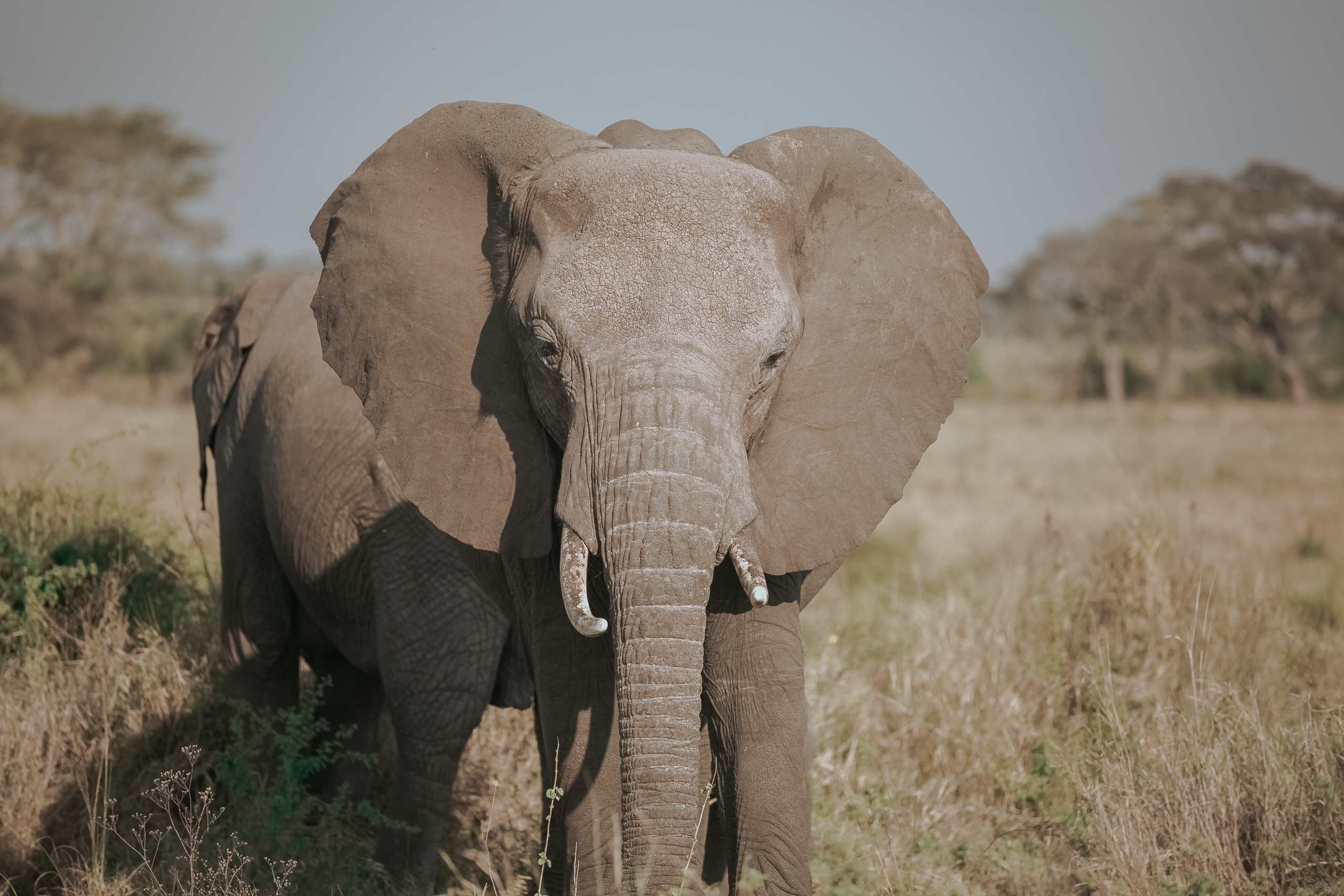
  • Elephants: Large herds of African elephants move gracefully through the forest and open plains. They are often seen drinking at waterholes, feeding on shrubs, and interacting socially in matriarch-led groups.
  • Buffaloes: The Park’s grasslands host substantial herds of African buffalo, grazing alongside antelopes and moving slowly in tight-knit groups, providing a classic African savannah scene.
  • Giraffes: Tall and elegant, giraffes browse on the leaves of acacia and other trees, their long necks allowing them to reach foliage other herbivores cannot, offering visitors incredible photo opportunities.
  • Hippos: The shallow waters of the lake are home to massive hippos, often seen wallowing during the day and grazing on nearby grasslands at dusk. Their social groups and occasional splashing provide a dramatic spectacle.
  • Antelopes: Lake Manyara hosts a variety of antelope species, including impalas, waterbucks, bushbucks, and hartebeests, which thrive in the mix of grassland and woodland areas. Their agility and alert behavior make them fascinating to observe.
  • Primates: Large troops of baboons roam the park freely, often seen playing, foraging, and interacting socially near the forest edges. Smaller groups of vervet monkeys are also common, adding life and activity to the woodland areas.
  • Other Mammals: Visitors may also encounter warthogs, hyenas, and jackals, which contribute to the park’s dynamic predator-prey ecosystem, making every game drive unpredictable and exciting.

Thanks to the park’s compact size and varied habitats, it is possible to see a large number of mammal species in a single game drive, providing a rich and accessible wildlife experience for safari enthusiasts, photographers, and nature lovers alike.

Lake Manyara National ParkLake Manyara National Park 

BIRDLIFE IN LAKE MANYARA NATIONAL PARK 

Birdlife in Lake Manyara National Park is exceptionally rich, with over 400 recorded species, both resident and migratory, making it one of East Africa’s finest birding destinations. The park’s diverse habitats, including the alkaline lake, papyrus swamps, acacia woodlands, and open grasslands, support an extraordinary variety of birds.

Thousands of Red-billed Queleas sweep across the landscape like swarms of giant insects, while pelicans and cormorants patrol the waters alongside dramatic pink streaks of Greater and Lesser Flamingos on their perpetual migration. The shallow lake attracts storks, herons, ducks, and geese, including the African Openbill, Goliath Heron, Yellow-billed Stork, Egyptian Goose, and Knob-billed Duck.

In the surrounding woodlands, hornbills, kingfishers, and raptorsincluding the African Fish Eagle, Bateleur, and Martial Eagle, are commonly seen. Papyrus swamps provide refuge for reed warblers, African Jacanas, and other wetland specialists, while elusive species such as Pel’s Fishing Owl and the Hammerkop add to the park’s ornithological appeal. The endangered Southern Ground Hornbill is another notable highlight.

Birdwatching is especially rewarding during the wet season from November to May, when migratory birds arrive, and the lake teems with life, though the dry season also offers excellent viewing opportunities. The park’s birdlife is highly sensitive to changes in water levels and human activity, underscoring the importance of conservation in preserving this remarkable ecosystem.

POPULAR ACTIVITIES IN LAKE MANYARA NATIONAL PARK

Game Drives and Night Safaris
Game drives are the highlight of Lake Manyara National Park, offering visitors the chance to explore its varied habitats, from groundwater forests and open grasslands to the scenic lakeshore. Daytime drives allow sightings of elephants, giraffes, buffaloes, zebras, and the park’s unique tree-climbing lions. Night game drives offer an equally thrilling experience, allowing visitors to observe nocturnal wildlife such as hyenas, genets, bush babies, and porcupines, and occasionally leopards. Both day and night drives offer educational insights into animal behaviour, habitat conservation, and the park’s delicate ecosystem.

Bird watching
Lake Manyara is a premier destination for bird enthusiasts, with over 400 species recorded. These include flamingos, pelicans, cormorants, hornbills, and the African Fish Eagle. Bird watching along the lakeshore, papyrus swamps, and woodland edges offers close encounters with both resident and migratory species. The park’s rich habitats provide diverse observation opportunities. This makes it ideal for casual bird lovers and serious ornithologists seeking rare or iconic birds.

Canoeing
Canoeing on Lake Manyara offers a peaceful and immersive experience when water levels are sufficiently high. Visitors can paddle quietly among flamingos, pelicans, and cormorants, while enjoying panoramic views of the Rift Valley escarpment. This activity provides a unique perspective on the park’s aquatic ecosystem and complements land-based wildlife observation with tranquillity and a sense of closeness to nature.
Adventure Activities: Treetop Walkway, Cycling, and Abseiling

The treetop walkway allows visitors to explore the forest canopy. It offers a bird’s-eye view of wildlife, including monkeys and birds, and a unique perspective on the park’s biodiversity. Mountain biking tours traverse scenic routes through rural landscapes, villages, and wildlife corridors. They combine fitness, adventure, and exploration. Abseiling along the escarpment cliffs adds an adrenaline rush and gives spectacular views of the Rift Valley and wilderness. Guided forest walks along the escarpment reveal waterfalls, endemic plants, and hidden wildlife.

Cultural Tours
Cultural tours complement the park’s natural attractions by offering meaningful interactions with local communities around Lake Manyara. Visitors can learn about traditional lifestyles, customs, and conservation practices, gaining insight into how local people coexist with the park’s wildlife. These experiences enrich the overall visit, linking nature, adventure, and culture in one holistic journey.

WHERE TO STAY IN LAKE MANYARA NATIONAL PARK

Serengeti National Park

BEST TIME TO VISIT LAKE MANYARA NATIONAL PARK

  • December to March: Calving season is the ideal time to witness the birth of thousands of young animals. It’s also when predators are most active, hunting vulnerable newborns.

  • April to June: The migration begins, as large herds of wildebeest, zebras, and other species start moving northward across the Serengeti in search of fresh grazing lands.

  • July to October: Peak migration season, especially notable for the dramatic and dangerous crossings of the Mara River, where many animals fall prey to crocodiles.

  • November: Short rains signal the return of the herds to the Serengeti after months away, revitalizing the landscape and offering another spectacular wildlife display.

HOW TO GET TO LAKE MANYARA NATIONAL PARK

  • By Road: The Serengeti is accessible by a roughly 7-hour scenic drive from Arusha, allowing travelers to pass through various landscapes, including villages and countryside along the way. It’s a great option for those who enjoy road trips and want to see more of the Tanzanian landscape before arriving at the park.

  • By Air: For a faster, more convenient option, regular flights operate from Arusha to multiple airstrips within the Serengeti. These flights significantly reduce travel time, offering stunning aerial views of Tanzania’s wildlife and landscapes.

TIPS FOR VISITORS TO LAKE MANYARA NATIONAL PARK

  • Pack Smart: Bring lightweight, comfortable clothing suitable for varying temperatures, along with a hat, sunscreen, and insect repellent.
  • Stay Hydrated: Make sure to carry plenty of water, especially during extended game drives to stay refreshed.
  • Respect Wildlife: Always observe animals from a safe distance and avoid interacting with or feeding them.
  • Follow the Rules: Listen carefully to your guide and follow all park regulations for both your safety and the preservation of the environment.

Animals in Serengeti National Park

Elephant

Giraffe

Hippo

Buffalo

Leopard

Wildebeest

Wild Dog

White Rhino

Black Rhino

Cheetah