
Big Five Safari
Discover the Big Five Safari in Tanzania: Best Parks & Wildlife Experiences
A Big Five safari in Tanzania offers visitors the opportunity to see five of Africa’s most iconic wild animals: lions, leopards, African elephants, African buffaloes and rhinoceroses. These animals are known as the Big Five because they were historically considered the most challenging and dangerous wildlife to hunt on foot. Today, spotting all five in their natural habitats is one of the most sought-after experiences on an African wildlife safari. Tanzania is an excellent destination for this experience, with diverse landscapes, protected wildlife areas and some of Africa’s most famous national parks.
The best places for a Big Five safari in Tanzania include Serengeti National Park, Ngorongoro Crater and Tarangire National Park. The Serengeti is famous for its lions, leopards, elephants and buffaloes, while Ngorongoro Crater offers particularly good opportunities to spot the endangered black rhinoceros alongside the other Big Five animals. Tarangire is renowned for its large elephant herds and diverse wildlife. The best safari destination and duration depend on the season, wildlife movements and your travel plans. With a well-planned itinerary and experienced local guides, visitors can enjoy excellent opportunities to search for all five animals in Tanzania.
What Is a Big Five Safari?
The Big Five safari animals are the African lion, leopard, elephant, Cape buffalo and rhinoceros. These five iconic species are among the most recognised wildlife animals in Africa and are highly sought after by visitors on safari. Each has distinctive physical features, behaviours and survival adaptations that make it unique in its natural habitat. Together, these five species represent some of the most memorable wildlife encounters in Africa. Spotting them in their natural habitats is a major highlight of a Big Five safari.
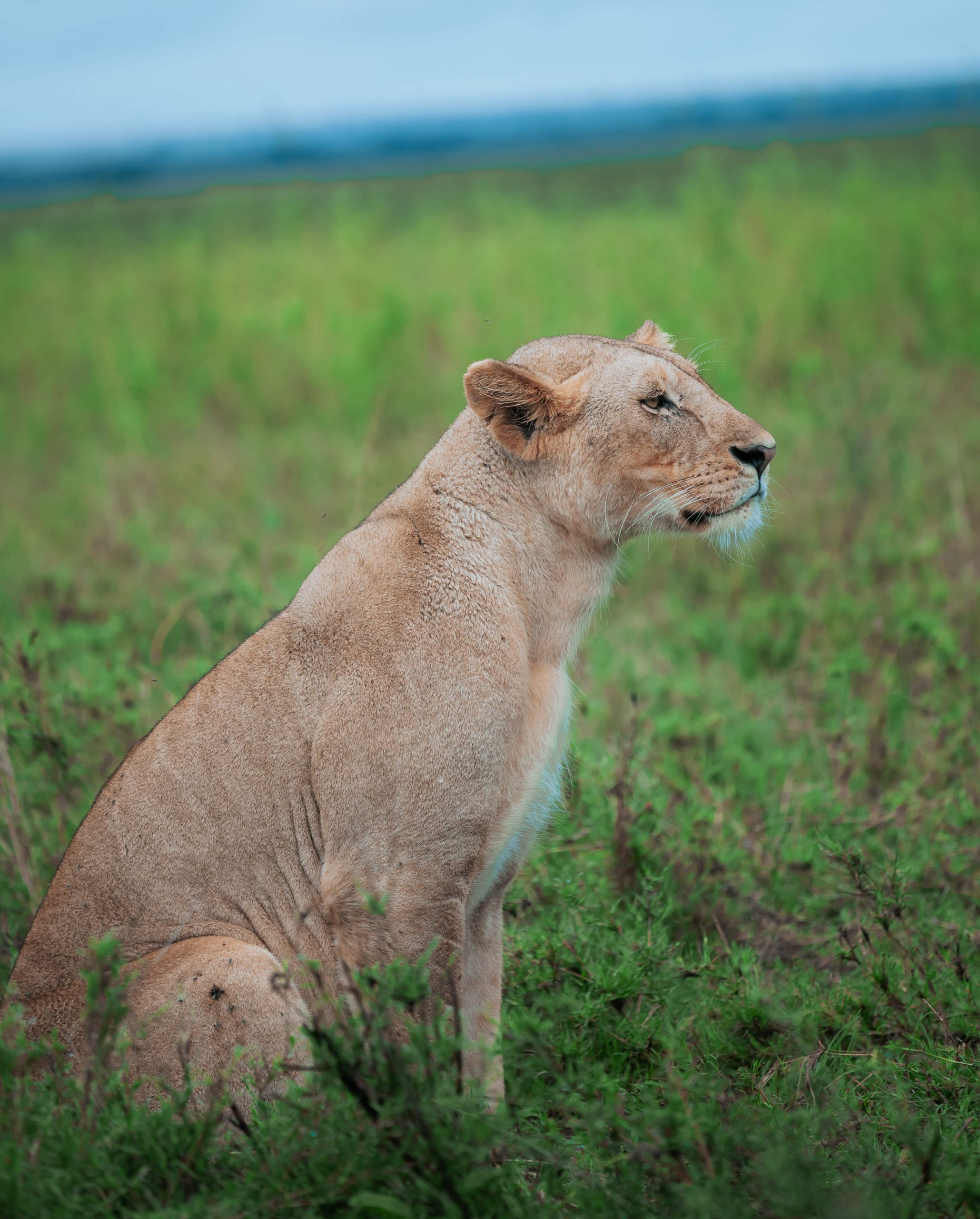
- African Lion: Africa’s dominant large predator, known for living in social groups called prides and hunting a variety of prey.
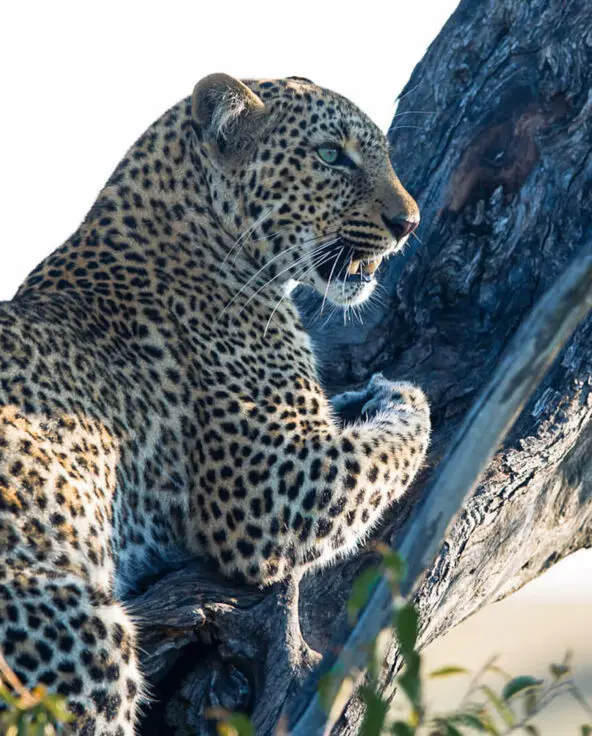
- African Leopard: A powerful, solitary big cat recognised for its spotted coat, excellent climbing ability and secretive behaviour.
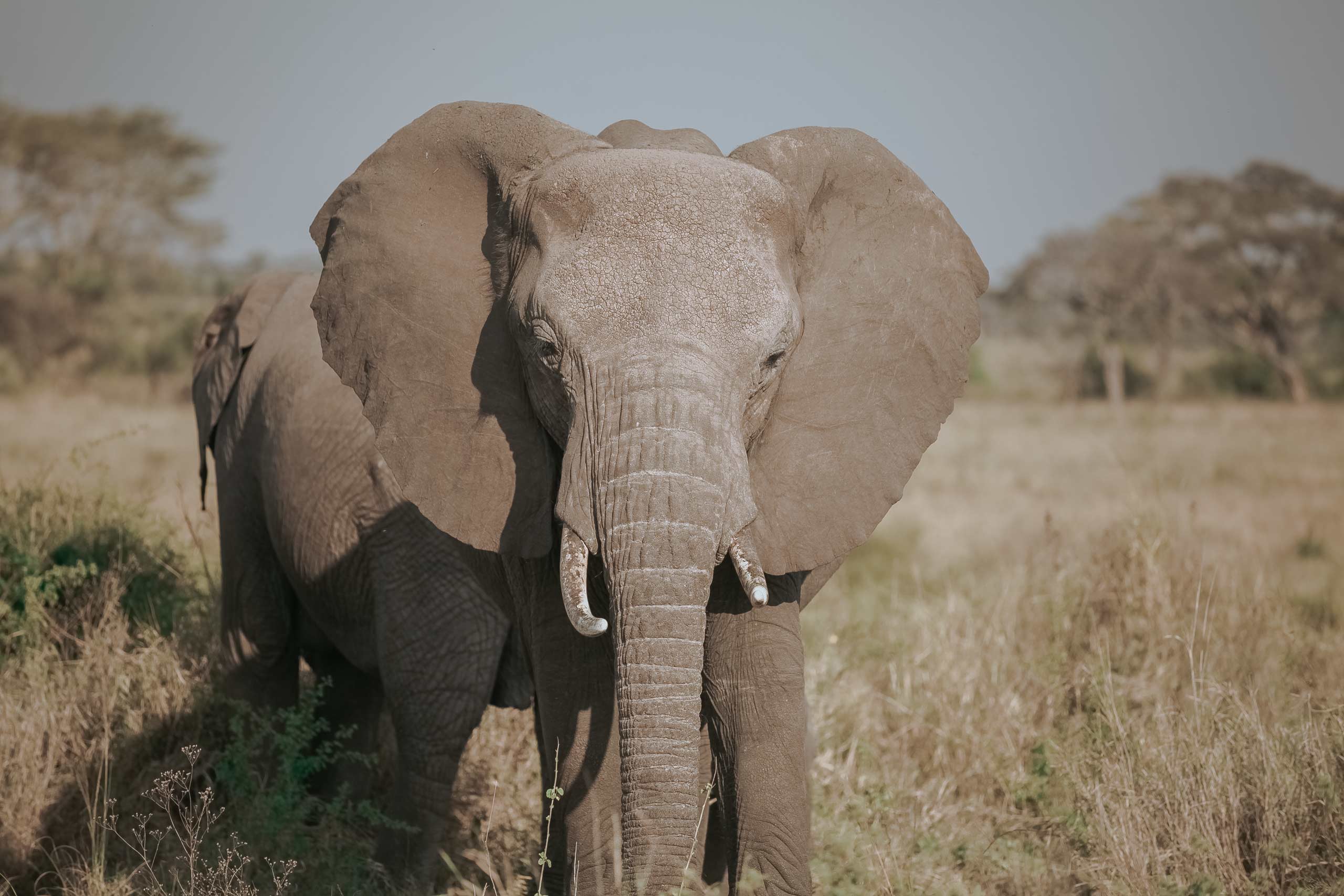
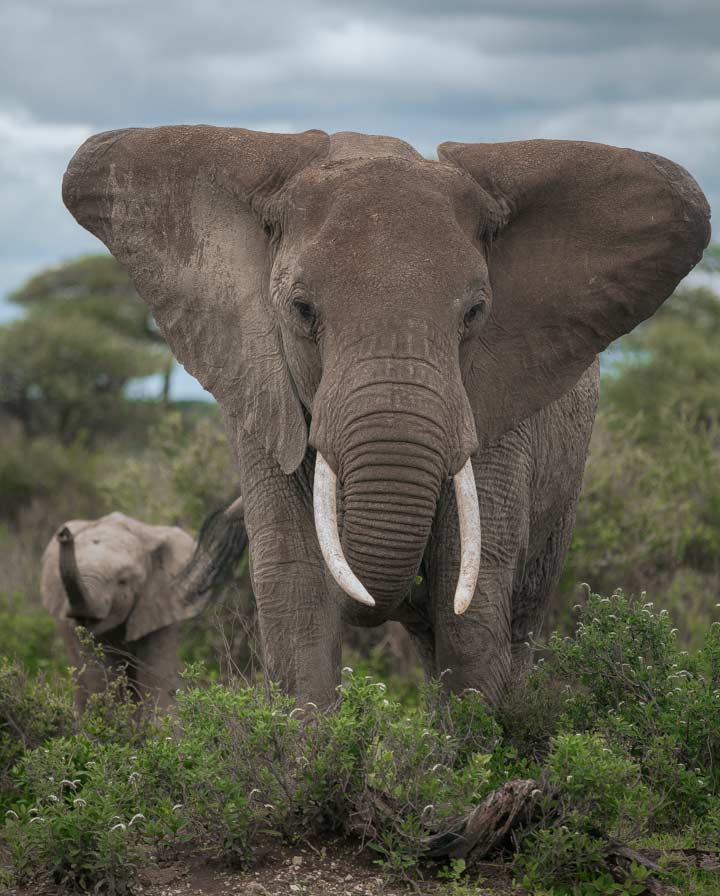
- African Elephant: The world’s largest land mammal, known for its intelligence, strong family bonds and impressive tusks.
- Rhinoceros: A large herbivorous mammal with one or two horns. Africa is home to black and white rhinoceroses.
- African Buffalo: A powerful grazing animal that lives in herds and is recognised for its sturdy build and distinctive curved horns.
Why Are They Called the Big Five?
The Big Five are called so because they were historically considered the five most difficult and dangerous African animals to hunt on foot: the African lion, leopard, elephant, buffalo and rhinoceros. The term originated among big-game hunters during the colonial hunting era and referred to the difficulty, danger and unpredictability of tracking these animals. It was not based on their physical size, which is why other large African animals, such as giraffes and hippos, are not included. Each animal earned its place because of its strength, defensive behaviour and ability to pose a serious challenge to hunters, particularly when wounded or cornered.
Today, the meaning of the Big Five has shifted from hunting to wildlife conservation, photography and tourism. They are among the most sought-after animals by visitors on a Big Five safari in Tanzania, where travellers can observe them in their natural habitats. Serengeti National Park, Tarangire National Park and Ngorongoro Crater are among the best destinations to look for these iconic animals. Instead of hunting them, visitors now enjoy photographing and learning about their behaviour while supporting responsible wildlife tourism and conservation.
Where Can You See the Big Five in Tanzania?
The best places to see the Big Five in Tanzania are along the Northern Safari Circuit, particularly Serengeti National Park, Ngorongoro Crater and Tarangire National Park. These destinations offer excellent opportunities to spot lions, leopards, elephants, buffaloes and the endangered black rhino in their natural habitats. Serengeti National Park is famous for its large lion populations and elusive leopards, especially around the Seronera Valley, while Tarangire National Park is known for its large elephant herds and ancient baobab trees. Ngorongoro Crater is particularly important for spotting the endangered black rhino, alongside lions, elephants and large herds of buffaloes.
For the best chance of seeing all five animals, combine these three destinations on a 5–7-day Big Five safari starting and ending in Arusha. Spend at least two nights in the Serengeti to increase your chances of finding leopards and other predators, explore Tarangire for elephants and diverse wildlife, and dedicate a full-day game drive to Ngorongoro Crater to search for black rhinos. Although wildlife sightings are never guaranteed, the Northern Safari Circuit offers one of Tanzania’s strongest opportunities to see all five animals on a single safari. Travellers seeking quieter and more remote wildlife experiences can also explore Nyerere National Park and Ruaha National Park in southern Tanzania, although spotting all five animals there is more challenging.
Which National Parks Are Best for a Big Five Safari in Tanzania?
The best national parks for a Big Five safari in Tanzania are Serengeti National Park, Ngorongoro Conservation Area (Ngorongoro Crater) and Tarangire National Park, all located along the Northern Safari Circuit. Serengeti is particularly famous for its lions and leopards, especially around the Seronera Valley, while Tarangire is known for its large elephant herds and ancient baobab trees. Ngorongoro Crater offers one of the best opportunities to see the endangered black rhino, alongside elephants, lions and large herds of African buffaloes. Together, these three destinations provide excellent opportunities to search for all five animals in their natural habitats.
Other parks, including Lake Manyara National Park, Ruaha National Park and Nyerere National Park, also offer rewarding wildlife experiences. Lake Manyara is famous for its tree-climbing lions and elephants, while Ruaha and Nyerere are ideal for travellers seeking less-crowded safari experiences in southern Tanzania. However, for the best chance of spotting all five animals on one trip, the Northern Circuit remains the strongest choice. A 5–7-day itinerary combining Tarangire, Serengeti and Ngorongoro Crater is an excellent option.

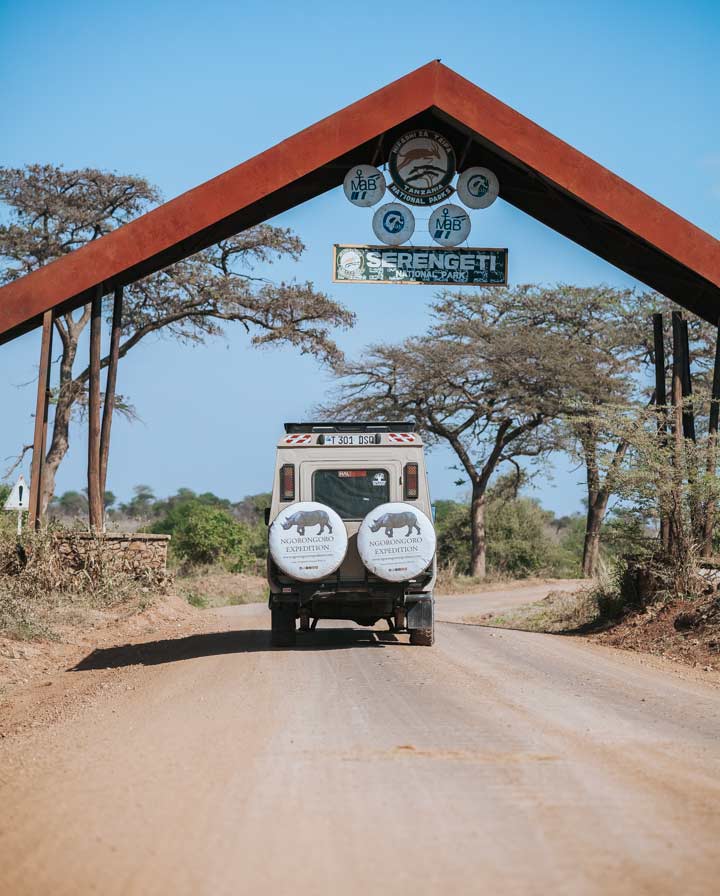
Can You See All Five Big Five Animals in One Safari?
Yes, it is possible to see all five Big Five animals in one safari in Tanzania, particularly when visiting Serengeti National Park, Tarangire National Park and Ngorongoro Crater along the Northern Safari Circuit. These destinations offer opportunities to spot lions, leopards, elephants, African buffaloes and the endangered black rhino. Lions, elephants and buffaloes are generally easier to encounter, while leopards are more elusive and black rhinos are harder to spot because of their small population and protected habitat.
For the best chance of seeing all five animals, consider a 5–7-day Big Five safari with at least two nights in the Serengeti and a full-day game drive in Ngorongoro Crater. The Seronera Valley in the Serengeti is particularly good for searching for leopards, while Ngorongoro Crater offers one of the best opportunities to see black rhinos in Tanzania. An experienced safari guide can help locate wildlife and choose suitable game-viewing areas. However, because these animals live freely in their natural habitats, sightings of all five cannot be guaranteed on a single trip.
Where Is the Best Place to See Lions in Tanzania?
The Serengeti National Park is the best place to see lions in Tanzania, offering excellent opportunities to spot them throughout the year. The Seronera area in Central Serengeti is particularly good for seeing resident lion prides, hunting behaviour and young cubs. Other excellent destinations include Ngorongoro Crater, where lions are frequently spotted on the open crater floor, and Tarangire National Park, which offers rewarding lion sightings among its diverse wildlife.
Lake Manyara National Park is famous for its tree-climbing lions, while Ruaha National Park offers opportunities to see large lion prides in a quieter wilderness setting. June to October is generally an excellent time for lion viewing because dry conditions make wildlife easier to spot. These parks also provide excellent opportunities to see elephants, leopards, buffaloes and rhinos, making them ideal destinations for a Big Five safari in Tanzania.
Where Is the Best Place to See Leopards in Tanzania?
The Serengeti National Park is the best place to see leopards in Tanzania, especially in the Seronera Valley in the central Serengeti. This area has a healthy leopard population, with riverine forests, acacia trees, and rocky kopjes that provide ideal hiding and resting spots. Leopards are often spotted resting on tree branches, especially during the early morning and late afternoon game drives.
Other excellent places to see leopards include Tarangire National Park, where they are found around the Tarangire River and woodland areas, and Ruaha National Park, which offers rewarding sightings in a quieter wilderness setting. Seeing a leopard is a special highlight of a Big Five safari in Tanzania, although these secretive cats can be difficult to spot. An experienced safari guide and enough time in the right wildlife areas can improve your chances.
Where Is the Best Place to See African Elephants in Tanzania?
Tarangire National Park is one of the best places to see African elephants in Tanzania, famous for its large elephant herds and impressive baobab trees. The Tarangire River attracts elephants throughout the year, particularly during the dry season from June to October, when wildlife gathers around available water sources. Visitors can often see family groups, including calves, feeding, drinking and moving through the park.
Other excellent places to see African elephants include Ruaha National Park, known for its large elephant population, and Serengeti National Park, where elephants can be spotted in woodland areas. Ngorongoro Crater and Nyerere National Park also offer rewarding elephant sightings. Combining Tarangire, Serengeti and Ngorongoro is an excellent choice for a Big Five safari in Tanzania, offering opportunities to see elephants, lions, leopards, buffaloes and rhinos.
Where Is the Best Place to See African Buffaloes in Tanzania?
The Serengeti National Park and Ngorongoro Crater are among the best places to see African buffaloes in Tanzania. Both destinations have large buffalo populations, offering excellent opportunities to spot herds grazing on open grasslands, near water sources and across the savannah. Tarangire National Park is another excellent destination, particularly during the dry season from June to October, when buffaloes gather around the Tarangire River and other available water sources.
Other excellent places to see African buffaloes include Ruaha National Park, Nyerere National Park and Katavi National Park, which offer opportunities to see large herds in less crowded wilderness areas. Katavi is particularly rewarding during the dry season, when buffaloes gather around shrinking water sources. These destinations are excellent additions to a Big Five safari in Tanzania, where visitors can also look for lions, leopards, elephants and rhinos.
Where Is the Best Place to See Black Rhinos in Tanzania?
The Ngorongoro Crater is the best place to see black rhinos in Tanzania, offering some of the most reliable opportunities to spot these critically endangered animals in the wild. The crater floor supports a protected population of eastern black rhinos, which can sometimes be seen grazing on open grasslands, particularly around the Lerai Forest and Lake Magadi areas. Early morning game drives offer good opportunities to spot them before they retreat into thicker vegetation.
Other places where black rhinos can be found include Serengeti National Park, particularly around the Moru Kopjes area, and Mkomazi National Park, which has a dedicated rhino sanctuary. However, sightings in the Serengeti are less predictable. Including Ngorongoro Crater in your Big Five safari in Tanzania gives you an excellent opportunity to search for black rhinos alongside lions, leopards, elephants and buffaloes.
Which of the Big Five Animals Is the Hardest to See?
The black rhino is generally the hardest of the Big Five animals to see in Tanzania because it is critically endangered, has a small population and often hides in thick vegetation. Ngorongoro Crater offers one of the best opportunities to spot black rhinos in the wild. Although they can sometimes be seen grazing on open grasslands, sightings are never guaranteed.
The leopard is another difficult Big Five animal to spot because it is solitary, well camouflaged and often rests in trees or dense vegetation during the day. Central Serengeti, particularly the Seronera area, offers good opportunities for leopard sightings. During a Big Five safari in Tanzania, spending enough time in the right wildlife areas and travelling with an experienced safari guide can improve your chances of seeing all five animals.
What Is the Best Time for a Big Five Safari in Tanzania?
The best time for a Big Five safari in Tanzania is from June to October, during the dry season, when wildlife viewing is excellent across the Northern Safari Circuit. During these months, shorter grass and limited water sources make it easier to spot lions, leopards, elephants, buffaloes and the endangered black rhino. Tarangire National Park is particularly rewarding for its large elephant herds, Serengeti National Park offers excellent opportunities to see lions and leopards, while Ngorongoro Crater provides one of the best opportunities to spot black rhinos. This period also offers opportunities to witness the Great Migration, including dramatic river crossings in the northern Serengeti.
However, Tanzania offers rewarding safari experiences throughout the year. January and February are excellent months to visit Ndutu and the southern Serengeti for the wildebeest calving season, when predators such as lions and leopards are highly active. November and December offer greener landscapes and good wildlife viewing, while March to May brings the long rainy season, fewer visitors and potentially lower accommodation rates. Although wildlife sightings are never guaranteed, June to October is generally the best overall period for a Big Five safari, especially when combining Tarangire, Serengeti and Ngorongoro Crater.
How Many Days Do You Need for a Big Five Safari?
You need 5–7 days for a Big Five safari in Tanzania to explore the Northern Safari Circuit and have good opportunities to spot lions, leopards, elephants, buffaloes and the endangered black rhino. A 5–6-day itinerary allows you to visit Tarangire National Park, Serengeti National Park and Ngorongoro Crater, while 7–9 days provide more time for game drives, especially in the Serengeti, where leopards and other predators can be difficult to find. Although elephants, buffaloes and lions are commonly spotted, leopards and black rhinos require more patience and luck.
The ideal safari duration depends on your budget, available time and travel preferences. A 3–4-day safari is suitable for travellers with limited time, but it may involve a rushed itinerary and fewer wildlife-viewing opportunities. With 5–7 days, you can spend two or more nights in the Serengeti and enjoy a full-day game drive in Ngorongoro Crater, where black rhinos are among the animals you can look for. For a more relaxed experience, 8–10 days allow you to explore the parks at a slower pace, enjoy additional game drives and follow the Great Migration when its location matches your travel dates.
What Is the Best Big Five Safari Route in Tanzania?
The best Big Five safari route in Tanzania is the Northern Safari Circuit, combining Tarangire National Park, Serengeti National Park and Ngorongoro Crater, with a starting and ending point in Arusha. This route offers excellent opportunities to spot all five members of the Big Five: lions, leopards, elephants, buffaloes and the endangered black rhinoceros. Tarangire is famous for its large elephant herds and ancient baobab trees, Serengeti for its abundant wildlife and big cats, while Ngorongoro Crater offers one of Tanzania’s best opportunities to see the endangered black rhino in its natural habitat.
A 5–7-day Big Five safari is ideal for exploring these three destinations without rushing between parks. Spending at least two nights in the Serengeti, particularly around the Seronera Valley, increases your chances of spotting elusive leopards, while a full-day game drive in Ngorongoro Crater provides an excellent opportunity to search for black rhinos, lions, elephants and buffaloes. Depending on your budget and travel preferences, you can explore the Northern Circuit by road in a private 4×4 safari vehicle or combine a flight into the Serengeti with a scenic drive back to Arusha. Although wildlife sightings are never guaranteed, this route provides some of the best opportunities to see all five animals in Tanzania.
How Much Does a Big Five Safari in Tanzania Cost?
A Big Five safari in Tanzania costs approximately $250 to $1,500+ per person per day, depending on the accommodation, safari duration, group size, transport and travel season. Budget camping safaris are generally the most affordable, while mid-range lodge safaris offer greater comfort and luxury safaris provide premium accommodation and personalised services. A typical 7-day safari can cost approximately $1,750 to $10,500+ per person, excluding international flights. These prices are estimates and vary depending on the itinerary and services included.
The overall cost also depends on the destinations you visit, park fees and time of travel. Popular wildlife destinations such as Serengeti National Park, Ngorongoro Crater and Tarangire National Park have different entrance and conservation fees. Most safari packages include accommodation, meals, a 4×4 safari vehicle, a professional driver-guide, game drives and applicable park fees, while international flights, visas, travel insurance and tips are usually extra. Choosing the right safari package and booking with a local Tanzania tour operator can help you find an experience that matches your budget and travel preferences.
What Should You Pack for a Big Five Safari?
Packing for a Big Five safari in Tanzania requires comfortable clothing and essential equipment for wildlife viewing and game drives. Whether visiting Serengeti National Park, Ngorongoro Crater or Tarangire National Park, prepare for cool mornings, warm afternoons and dusty roads. Choose lightweight neutral-coloured clothing, comfortable shoes and a warm jacket. Binoculars and a camera are also useful for spotting and photographing wildlife. Essential Safari Packing List
- Neutral-coloured clothing (khaki, beige and olive).
- Comfortable walking shoes.
- Warm jacket or fleece.
- Hat and sunglasses.
- Sunscreen and insect repellent.
- Binoculars and camera.
- Personal medication and toiletries.
- Valid passport, visa and travel insurance.
- Soft-sided luggage and small daypack.
- Reusable water bottle and power bank.
FAQ - Big Five Safari
What Are the Big Five Animals in Africa?
The Big Five animals are the African lion, leopard, elephant, Cape buffalo and rhinoceros. They are among the most famous wildlife species visitors hope to see on an African safari.
Where Can You See the Big Five in Tanzania?
You can see the Big Five in Tanzania’s famous wildlife destinations, including Serengeti National Park, Ngorongoro Crater and Tarangire National Park. Each destination offers different wildlife viewing opportunities.
What Is the Best National Park for a Big Five Safari in Tanzania?
Ngorongoro Crater is one of the best destinations for seeing the Big Five in a relatively concentrated area. Serengeti National Park is also an excellent choice for diverse wildlife and big cat sightings.
Can You See All Five Big Five Animals in One Safari?
Yes, it is possible to see all five animals during one safari in Tanzania, particularly when visiting Ngorongoro Crater and Serengeti National Park. However, sightings are not guaranteed because the animals move freely in their natural habitats.
What Is the Best Time for a Big Five Safari in Tanzania?
The dry season, from June to October, is generally one of the best periods for wildlife viewing in Tanzania. Animals are often easier to spot around water sources and in open vegetation, although excellent sightings are possible throughout the year.
Which Big Five Animal Is the Hardest to See?
The leopard and black rhinoceros are generally among the hardest Big Five animals to spot. Leopards are elusive and often hide in vegetation or trees, while black rhinos are relatively rare and carefully protected.
How Many Days Do You Need for a Big Five Safari?
A three-to-five-day safari is a good starting point for exploring Tanzania’s major wildlife destinations. A longer safari allows more time for game drives and increases your opportunities to encounter different animals.
How Much Does a Big Five Safari in Tanzania Cost?
The cost depends on the number of days, accommodation standards, transport, park fees, group size and travel season. Private luxury safaris generally cost more than budget camping or shared group safaris.
Is a Big Five Safari Suitable for Families?
Yes, a Big Five safari can be suitable for families with children. The best itinerary depends on the children’s ages, accommodation preferences, driving distances and the tour operator’s age requirements.
What Should You Pack for a Big Five Safari?
Pack comfortable neutral-coloured clothing, a hat, sunglasses, sunscreen, comfortable shoes, binoculars, a camera and insect repellent. A light jacket is also useful for cool mornings and evenings.
Plan your Trip
Ready to start planning your own incredible adventure?
We make the process stress-free and enjoyable.