Ngorongoro Expedition and Tours

Tanzania Safari in January

 Complete Guide to Tanzania Safari in January 2026 – Best Wildlife & Travel Tips

A Tanzania safari in January offers one of the best wildlife experiences in Tanzania. January is part of the green season, when the landscapes are fresh, green, and beautiful. Wildlife viewing is still very good in many national parks. One of the biggest highlights of a Tanzania safari in January is the Great Wildebeest Migration calving season in the Southern Serengeti and Ndutu plains, where thousands of wildebeest give birth. This also attracts predators like lions, cheetahs, and hyenas, creating exciting wildlife moments.

Other famous safari destinations, such as Ngorongoro Crater, Tarangire National Park, and Lake Manyara National Park, also offer great game viewing in January. The weather is usually warm with short rains that clear quickly, leaving green scenery that is perfect for photography. January is also a great time for bird watching as many migratory birds arrive.

Whether you are planning a wildlife safari, a photography trip, or a safari combined with a Zanzibar beach holiday, a Tanzania safari in January gives you beautiful landscapes, amazing wildlife, and fewer crowds compared to the busy dry season.

Why Choose a Tanzania Safari in January 

A Tanzania safari in January is a great choice for travelers who want to see amazing wildlife and beautiful green landscapes. January falls during the green season, when the parks are fresh, quiet, and full of life. Wildlife viewing is still very good, and there are often fewer visitors compared to the busy dry season months.

One of the biggest highlights of a Tanzania safari in January is the Great Wildebeest Migration calving season in the Southern Serengeti and Ndutu plains. During this time, thousands of wildebeest calves are born, which attracts predators such as lions, cheetahs, and hyenas. This creates exciting wildlife sightings and great opportunities for photography.

January also offers warm weather, clear skies after short rains, and excellent birdwatching as many migratory birds arrive in Tanzania’s national parks. With beautiful scenery, rich wildlife, and fewer crowds, a Tanzania safari in January provides a unique and rewarding safari experience.


Weather in Tanzania in January 

A Tanzania safari in January is a great choice for travelers who want to see amazing wildlife and beautiful green landscapes. January falls during the green season, when the parks are fresh, quiet, and full of life. Wildlife viewing is still very good, and there are often fewer visitors compared to the busy dry season months.

One of the biggest highlights of a Tanzania safari in January is the Great Wildebeest Migration calving season in the Southern Serengeti and Ndutu plains. During this time, thousands of wildebeest calves are born, which attracts predators such as lions, cheetahs, and hyenas. This creates exciting wildlife sightings and great opportunities for photography.

January also offers warm weather, clear skies after short rains, and excellent birdwatching as many migratory birds arrive in Tanzania’s national parks. With beautiful scenery, rich wildlife, and fewer crowds, a Tanzania safari in January provides a unique and rewarding safari experience.

 
Weather Factor Tanzania in January
Season Green season
Day Temperature 25–30°C (77–86°F)
Night Temperature 15–20°C (59–68°F)
Rainfall Short light showers that clear quickly
Landscape Lush green scenery across the parks
Wildlife Viewing Excellent wildlife viewing in many national parks
Special Highlight Wildebeest calving season in Southern Serengeti and Ndutu

Wildlife Viewing During a Tanzania Safari in January

Wildlife viewing during a Tanzania safari in January is excellent, especially in the Serengeti ecosystem. January marks the beginning of the Great Wildebeest Migration calving season in the Southern Serengeti and the Ndutu plains. During this time, thousands of wildebeest give birth on the open plains, creating an incredible wildlife spectacle.

The presence of many newborn animals attracts predators such as lions, cheetahs, hyenas, and leopards, making this one of the best times to witness dramatic wildlife interactions. Visitors can often see hunting activity as predators take advantage of the large numbers of young and vulnerable animals.

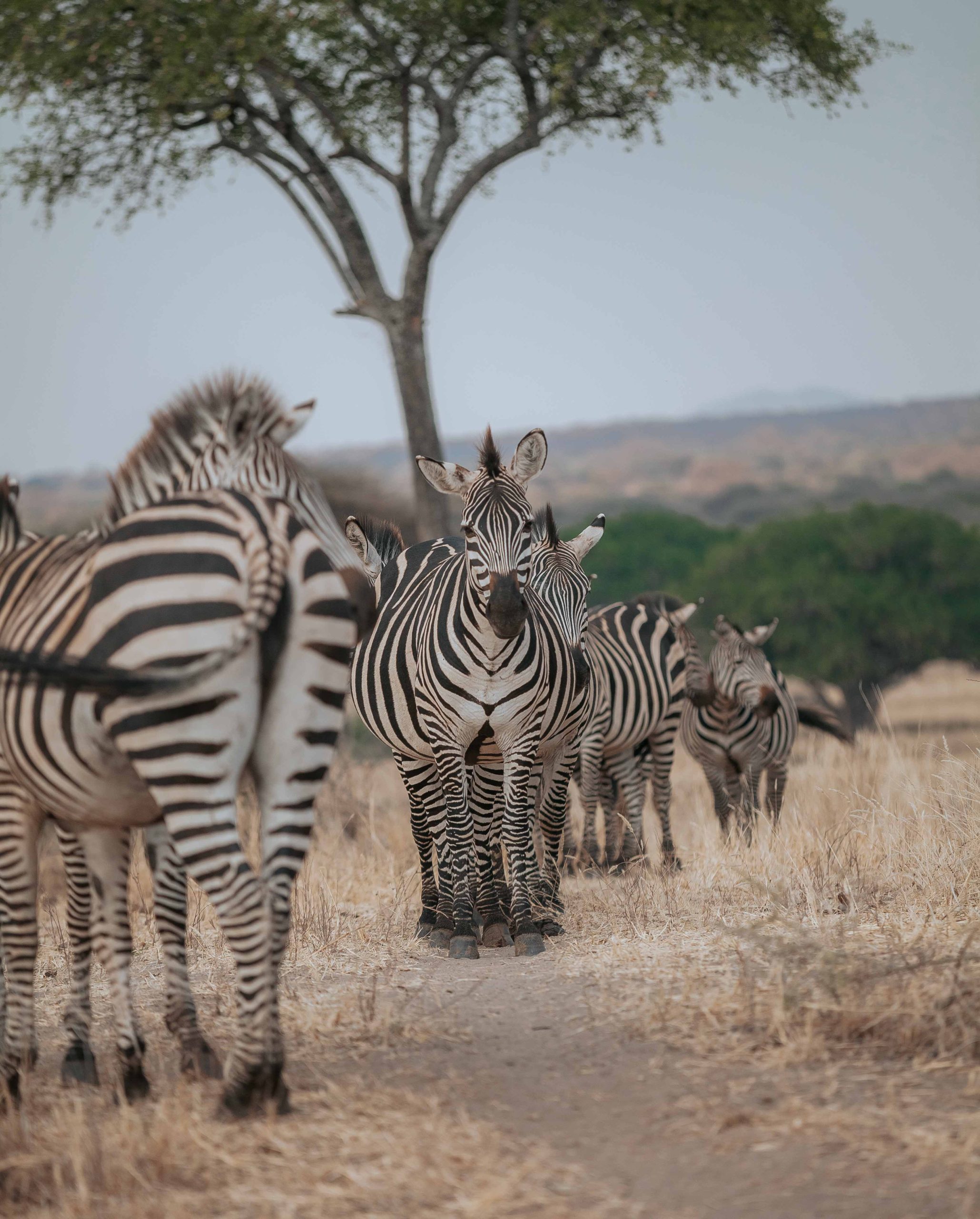
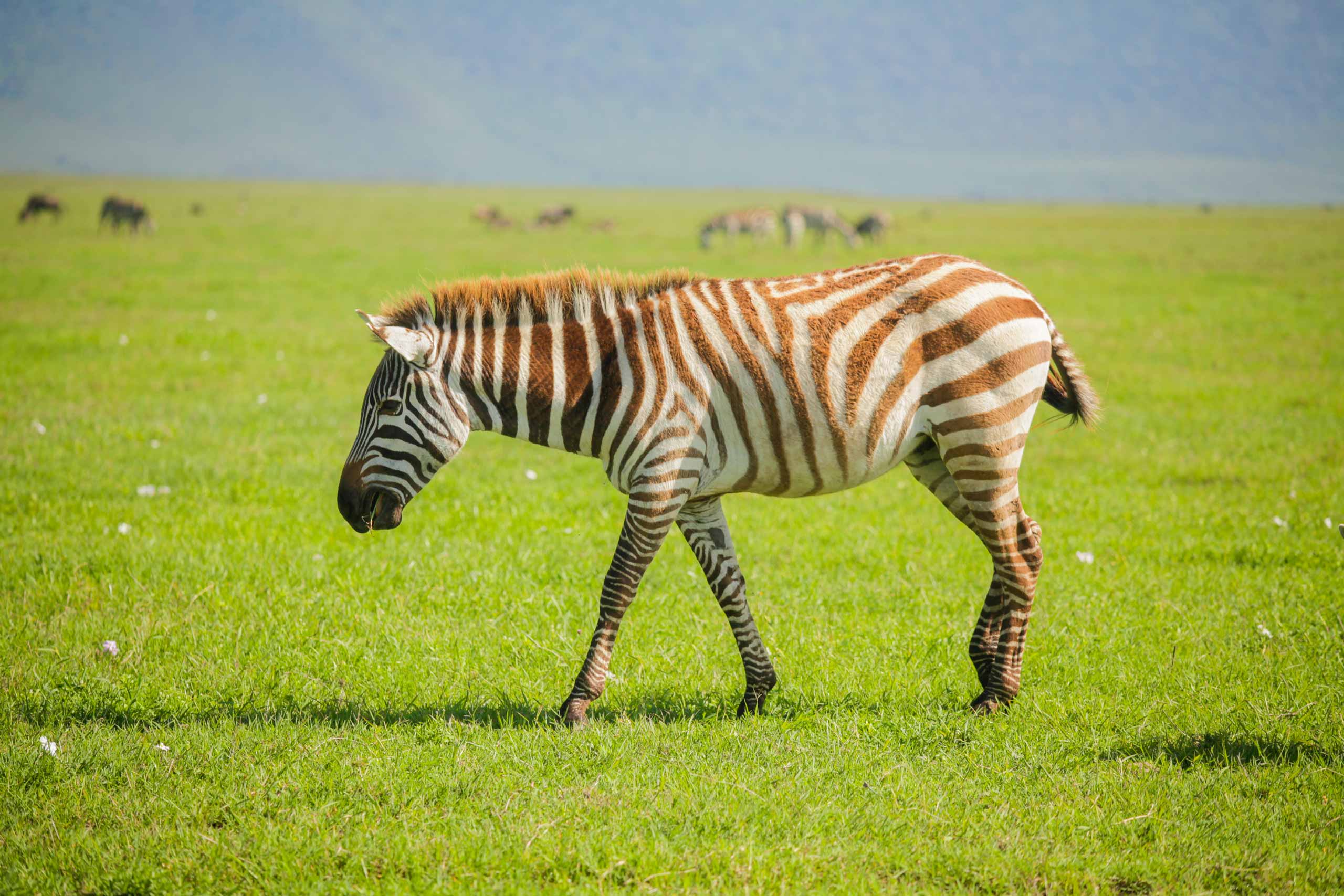
In addition to the migration, many other animals can be seen across Tanzania’s national parks during January. Visitors may encounter elephants, giraffes, zebras, buffalo, antelopes, and many bird species. The green landscapes also make the parks beautiful and full of life, offering excellent opportunities for wildlife photography and unforgettable safari experiences.

Great Wildebeest Migration Calving Season

The Great Wildebeest Migration Calving Season in Tanzania occurs every year between January and February in the Southern Serengeti and Ndutu plains. During this period, over 500,000 wildebeest give birth, creating one of nature’s most remarkable wildlife spectacles.

This season offers travelers the best opportunity to witness the incredible predator-prey interactions as lions, cheetahs, and hyenas gather around the newborn wildebeest. The sight of predators hunting near the calving herds provides dramatic moments for photographers and wildlife enthusiasts.

Besides the action-packed wildlife encounters, the green season in January means lush landscapes, making it a perfect time for a Tanzania safari. The wildebeest calving season attracts other wildlife such as zebras, giraffes, buffalo, and birds, further enhancing the safari experience.

For a truly unique safari experience, January offers an unforgettable combination of rich wildlife sightings, fewer crowds, and scenic beauty in Tanzania’s national parks.


Best Places for a Tanzania Safari in January

Tanzania is one of the top safari destinations, and January offers a unique opportunity to explore its stunning landscapes and abundant wildlife. During this time, the green season brings lush vegetation, excellent wildlife viewing, and fewer crowds, making it ideal for safari enthusiasts.

Key highlights include the Great Wildebeest Migration calving season in the Southern Serengeti and Ndutu plains, where over 500,000 wildebeest give birth, and attracting predators like lions, cheetahs, and hyenas, providing exciting wildlife encounters. Ngorongoro Crater, known for its incredible biodiversity, offers Big Five sightings against the backdrop of its lush landscapes.

Tarangire National Park, with its iconic baobab trees and large elephant herds, is another must-visit destination during January. The park sees many animals gathering around the Tarangire River, especially in the dry period after short rains.

Additionally, Lake Manyara National Park is perfect for bird watching, with migratory birds arriving from Europe and Asia in large numbers. For those looking for something different, Gombe Stream National Park offers chimpanzee trekking, providing a unique chance to observe these fascinating primates in their natural habitat.

Whether you’re interested in seeing the wildebeest calving season, tracking the Big Five, or enjoying bird watching and chimpanzee trekking, January in Tanzania offers something for every traveler, combining rich wildlife experiences with scenic beauty and fewer crowds compared to peak dry-season months.

Serengeti Safari in January

A Serengeti Safari in January is a fantastic way to experience the park during one of its most vibrant seasons. January marks the beginning of the green season, bringing lush landscapes and abundant wildlife, making it an ideal time for safari enthusiasts.

Weather: January offers mild temperatures around 25°C (77°F) during the day, with cooler mornings and evenings. Although there may be occasional light rain, it typically doesn’t last long. The rainfall helps keep the park lush and green, creating a beautiful environment for animals to graze.

Wildlife: While the main wildebeest migration moves to the southern Serengeti for calving, January still offers an exciting wildlife experience. You’ll witness thousands of newborn wildebeest, attracting predators such as lions and hyenas. It’s a great time for spotting big cats, as the thinner vegetation makes them easier to see. Additionally, migratory birds arrive in the park, offering excellent birdwatching opportunities.

Activities: There are plenty of activities to enjoy during your safari. Morning and afternoon game drives will take you through the park’s green landscapes, where you can spot herds of buffalo and the big cats in action. For a unique experience, consider a hot air balloon ride at sunrise, offering breathtaking views of the Serengeti from above. You can also visit local Maasai villages to learn about their rich culture and traditions.

What to Pack: Be sure to pack light, breathable clothing for daytime activities and a jacket for the cooler mornings and evenings. Comfortable walking shoes are essential, especially for walking safaris or nature walks. Bring binoculars to get a closer look at wildlife and a camera to capture the stunning scenery. It’s also a good idea to carry light rain gear or a waterproof jacket in case of brief showers.

Ngorongoro Crater Safari in January

A Ngorongoro Crater Safari in January offers an incredible opportunity to explore one of the most iconic wildlife destinations in the world. January is a great time to visit the Crater, as the weather is pleasant and the wildlife is abundant. Here’s what you can expect:

Weather

Mild Temperatures: January is the start of the green season, with average temperatures ranging from 20°C (68°F) to 25°C (77°F). The cooler mornings and evenings provide a comfortable climate for safari activities.
Occasional Rain: Light, short rains may occur, but they typically do not disrupt the safari experience. The rain helps the landscape remain lush and green, offering a stunning backdrop for wildlife viewing.

Wildlife

Big Five: Ngorongoro Crater is famous for its high concentration of wildlife, including lions, elephants, buffalo, leopards, and rhinos, all of which can be spotted on game drives.
Calving Season: January is a great time to witness the calving season for wildebeest, which attracts predators to the Crater floor. It’s an exciting time for those who want to see predator-prey interactions.
Bird watching: The Crater also has a wealth of birdlife, including flamingos, ostriches, and a variety of raptors. The rain brings many migratory birds, enhancing the bird-watching experience.

Activities

Game Drives: Enjoy full-day game drives across the Crater floor, where you can spot large herds of wildebeest, zebra, and antelope, as well as the Big Five. The lush environment makes it an ideal time for wildlife sightings.
Visit the Crater Rim: If you have time, explore the Crater’s rim for panoramic views of the entire caldera and its surrounding landscapes.
Cultural Visits: Experience the rich Maasai culture by visiting nearby Maasai villages. Learn about their traditional ways of life and how they coexist with wildlife in the region.

What to Pack

Clothing: Light, breathable clothes for daytime, with a jacket for the cooler mornings and evenings. Bring layers for temperature changes.
Footwear: Comfortable shoes are essential for game drives and exploring the Crater.
Binoculars and Camera: To get a closer look at the wildlife and capture the breathtaking views, bring binoculars and a camera with zoom lenses.
Rain Gear: Light rain gear or a waterproof jacket is recommended in case of showers.

Why Visit in January?

January is a wonderful time to visit Ngorongoro Crater as the landscape is lush, and the calving season provides an exciting wildlife spectacle. The mild weather and abundance of wildlife make it one of the best months for a safari in this UNESCO World Heritage Site.

Tarangire  in January

A Tarangire Safari in January is a great choice for a peaceful safari with abundant wildlife. Known for its large elephant herds and iconic baobab trees, the park offers a unique experience in January

Weather

Mild Temperatures: Daytime temperatures range from 22°C (72°F) to 28°C (82°F). The cooler mornings and evenings make for a comfortable safari experience
Light Rain: Brief rains bring a lush green landscape, attracting more wildlife

Wildlife

Elephants: Tarangire is famous for its large elephant herds, often gathered near the Tarangire River
Other Animals: Spot buffalo, giraffes, zebras, and predators like lions and leopards
Bird watching: The rainy season brings migratory birds, enhancing bird watching opportunities

Activities

Game Drives: Morning and afternoon drives offer great opportunities for wildlife sightings against a beautiful green backdrop
Walking Safaris: Explore on foot with expert guides to learn about the park’s ecosystems
Cultural Visits: Visit Maasai villages to learn about their culture and lifestyle

What to Pack

Clothing: Light, breathable clothing for the day with a jacket for cooler mornings and evenings
Footwear: Comfortable shoes for safaris and walks
Binoculars and Camera: Essential for wildlife and landscape photography
Rain Gear: A waterproof jacket in case of light rain

Why Visit in January

January offers lush landscapes, abundant wildlife, and a comfortable climate for safari activities, making it one of the best times to visit Tarangire

Zanzibar in January

January is one of the best times to visit Zanzibar, as it falls within the “short dry season” known as Kaskazi. Expect warm, sunny weather with temperatures ranging from 25°C to 32°C (77°F to 90°F). The month is ideal for beach activities, diving, and snorkeling in the clear, warm waters. Although it’s a popular time to visit, booking your accommodation in advance is highly recommended.

Weather

Zanzibar’s weather in January is consistently warm and sunny with moderate humidity, around 64%. It’s one of the hottest months of the year, but occasional, brief tropical showers may occur. These showers rarely last long, and they typically do not affect the overall experience.

Sea Conditions

Water temperatures are warm, around 28°C (82°F), making it perfect for swimming, diving, and snorkeling. Visibility is excellent, offering some of the best conditions for underwater exploration.

Crowds & Costs

Since January is part of the high season, following the December rush, the beaches tend to be lively, and there’s a noticeable increase in visitors. To ensure you secure accommodation, it’s recommended to book 6-8 weeks in advance.

Best Areas

For beach activities, head to Nungwi and Kendwa in the north, or Paje and Jambiani on the southeast coast. These areas offer beautiful beaches and plenty of options for water sports.

Activities

  • Snorkeling/Diving: Mnemba Atoll is a must-visit for exceptional underwater experiences.
  • Dolphin Spotting: January is one of the best months for swimming with dolphins, particularly in Kizimkazi.
  • Cultural Experiences: Explore Stone Town, visit spice farms, or take a boat trip to Prison Island.
  • Nature: Visit Jozani Forest to spot the unique Red Colobus monkeys.

Packing & Tips

  • Pack light, breathable clothing suitable for hot temperatures.
  • Sun protection is crucial, as the UV index is high (11+), so sunscreen, a hat, and sunglasses are essential.
  • Prepare for high afternoon temperatures, which can reach up to 35°C (95°F).

Wildlife you will see on Tanzania Safari in January

In January, Tanzania’s national parks offer an exceptional wildlife experience, making it one of the best months for a safari. The dry season concentrates animals around water sources, making it easier for visitors to spot them. The following highlights some of the wildlife you can expect to encounter during your January safari.

The Big Five are the most iconic animals to spot on a Tanzania safari. Lions are often seen in the Serengeti and Ngorongoro Crater, where they may be resting in the shade or hunting. Elephants are abundant, particularly in Tarangire National Park, known for its large elephant herds. Buffalo are frequently spotted in the Serengeti and Ngorongoro Crater, grazing near waterholes. Leopards, though elusive, can be found in the Serengeti and Ngorongoro Crater, often relaxing in trees or hiding among rocks. Black rhinos are more common in the protected Ngorongoro Crater, where a stable population is closely monitored.

Wildebeest and zebras are also prominent in January. This is when the wildebeest calving season begins in the Serengeti, attracting large numbers of them. Visitors can witness the birth of newborn calves, an essential part of the migration cycle. Zebras, often seen alongside wildebeest, form large herds while grazing on the lush grasslands of the Serengeti and Ngorongoro Crater.

Cheetahs are known for their speed and are commonly found in the open plains of the Serengeti. In January, the shorter grass allows for better visibility, making them easier to spot. Leopards, though more elusive, are also visible in both the Serengeti and Ngorongoro Crater.

Giraffes are a common sight in Tanzania’s major parks, such as Serengeti and Tarangire. Maasai giraffes, in particular, are often seen browsing on trees. Antelopes, including impalas, gazelles, and hartebeests, can be found in abundance, particularly near waterholes and grazing areas.

Hippos are frequently seen in lakes and rivers throughout Tanzania, particularly in the Serengeti and Ngorongoro Crater. The dry season causes them to gather in water sources. Crocodiles, found alongside the rivers, are commonly seen lounging on riverbanks or hunting for prey, especially in the Serengeti and Selous Game Reserve.

Hyenas, known for their scavenging behavior, are frequently seen in the Serengeti and Ngorongoro Crater. Additionally, smaller creatures like warthogs and monkeys can be spotted across the parks, especially in wooded areas and near campsites.

Tanzania Safari in January

Bird watching in Tanzania in January

In January, birdlife in Tanzania is abundant, as many migratory birds arrive during the green season. Flamingos are commonly found in Lake Natron, where they breed in large numbers. Vultures and eagles are frequently seen circling above the savannah in search of prey. African fish eagles are often spotted near rivers and lakes, their distinctive call echoing across the landscape. Hornbills are found in the wooded areas of Serengeti and Tarangire, while white storks and herons are seen in the wetlands of Ngorongoro Crater. Red-billed oxpeckers perch on the backs of large mammals, feeding on ticks.

Additionally, pelicans can be seen around Tanzania’s lakes, while marabou storks are often found near water sources. Lilac-breasted rollers, with their colorful plumage, are commonly spotted in open plains and grasslands. Secretary birds, known for their striking appearance, are often seen in the Serengeti, hunting for insects and small reptiles. Crowned cranes are found in the wetlands, adding to the beauty of the landscape with their elegant movements. Blue-cheeked bee-eaters and yellow-billed storks are also frequent visitors, adding vibrant colors to the skies and wetlands.

January offers excellent birdwatching conditions with a wide variety of species, making it an ideal time for bird enthusiasts to explore Tanzania’s rich avian diversity.

Advantages of Visiting Tanzania in January

 Tanzania Safari in January offers several advantages, making it an ideal time for a safari.

Great Wildebeest Migration Calving Season: January marks the start of the wildebeest calving season in the Serengeti and Ndutu plains, offering visitors the chance to witness the birth of thousands of wildebeest calves and the predator action that follows.

Fewer Crowds: Compared to peak months, January sees fewer visitors, ensuring a more tranquil and exclusive safari experience.

Green Season Landscapes: With lush, vibrant vegetation, the parks are perfect for photography and scenic views.

Excellent Wildlife Viewing: Animals are concentrated around water sources, making wildlife sightings easier, with the Big Five, cheetahs, and other species in abundance.

Mild Temperatures: January offers warm, pleasant weather for outdoor activities, including game drives and walking safaris.

Birdwatching Opportunities: The green season attracts migratory birds like flamingos, storks, and eagles, perfect for birdwatching enthusiasts.

Affordable Pricing: Lodges and tour operators often offer lower rates during this time, providing more affordable safari options.

Safari Activities to Enjoy in January

In January, Tanzania offers a range of exciting safari activities that allow visitors to fully immerse themselves in the natural beauty and wildlife of the country. Here are some top activities to enjoy during a safari in January:

Wildebeest Calving Season Viewing: January is the peak of the wildebeest calving season in the Serengeti and Ndutu plains. Witnessing thousands of newborn calves and the dramatic predator-prey interactions is a unique experience.

Game Drives: With animals concentrated around water sources during the dry season, game drives in parks like Serengeti, Ngorongoro Crater, and Tarangire are perfect for spotting the Big Five and other wildlife such as cheetahs, giraffes, and elephants.

Birdwatching: The green season brings an influx of migratory birds. You can enjoy birdwatching in places like Lake Natron, Serengeti, and Ngorongoro, spotting species like flamingos, hornbills, and eagles.

Walking Safaris: Enjoy guided walking safaris in parks like Tarangire and Serengeti. These provide an intimate experience of Tanzania’s wildlife and landscape, with the opportunity to learn about plants, insects, and smaller animals that are often missed during game drives.

Hot Air Balloon Safaris: For a unique perspective of the Serengeti, take a hot air balloon ride at dawn. You’ll soar over the plains, witnessing wildlife from above as the sun rises over the landscape.

Cultural Visits: Visit local Maasai villages to learn about the traditions and way of life of one of Tanzania’s most famous tribes. This offers a cultural insight alongside your wildlife experiences.

Lake and River Safaris: Explore Tanzania’s lakes and rivers by boat, such as on Lake Tanganyika or the Rufiji River. These offer a chance to see hippos, crocodiles, and various bird species up close.

Night Game Drives: Some parks, like Ngorongoro Crater, offer night game drives where you can see nocturnal animals like leopards, hyenas, and owls, providing a completely different wildlife experience after dark.

Photography Safaris: With vibrant landscapes and abundant wildlife, January is an ideal time for photography. The lush greenery of the green season offers a beautiful backdrop for capturing memorable safari moments.

Beach Extension: After a safari, head to Zanzibar or other coastal areas for some relaxation on the beach, combining your adventure with some downtime by the Indian Ocean.

January offers a variety of safari activities, allowing you to experience the full richness of Tanzania’s wildlife, culture, and landscapes in a more tranquil and rewarding setting.

What to Pack for a Tanzania Safari in January

 
Packing for a Tanzania safari in January requires careful consideration of the climate, activities, and the specific needs of a safari adventure. Here’s a list of essentials to ensure you’re well-prepared:

Lightweight, Breathable Clothing: January is warm, so pack lightweight, breathable clothes made from natural fabrics like cotton. Opt for neutral-colored clothing (e.g., khaki, beige, or olive) to blend in with the environment and avoid attracting insects.

Layered Clothing: Although it’s warm during the day, mornings and evenings can be cooler, so bring a light jacket or sweater for early morning game drives and cooler nights.

Safari Hat and Sunglasses: A wide-brimmed hat and sunglasses will protect you from the sun and reduce glare during game drives.

Comfortable Footwear: Sturdy, comfortable shoes are a must for walking safaris, while flip-flops or sandals are suitable for relaxing at camp.

Sun Protection: Pack sunscreen with high SPF, lip balm with SPF, and a reusable water bottle to stay hydrated.

Insect Repellent: Mosquitoes can be active, especially at dawn and dusk, so bring insect repellent and consider wearing long sleeves and pants in the evening.

Camera and Binoculars: Capture the wildlife and scenic landscapes with a camera. Binoculars are also useful for spotting animals from a distance.

Swimwear: If you’re visiting coastal areas like Zanzibar or enjoying a lodge with a pool, pack swimwear for relaxing after safari days.

Personal Medications and First Aid Kit: Carry any necessary medications and a basic first aid kit, including anti-malaria medication if advised by your doctor.

Travel Documents: Ensure you have your passport, visa, travel insurance, and any vaccination certificates, such as for yellow fever.


Recommended Tanzania Safari Itineraries for January

jkjkhgjhgf

Tanzania Safari in January

Frequently Asked Questions

How big is Ngorongoro Crater?
Ngorongoro Crater is about 260 square kilometres (100 square miles) in size, making it the largest unbroken volcanic caldera in the world.

Lorem ipsum dolor sit amet, consectetur adipiscing elit. Ut elit tellus, luctus nec ullamcorper mattis, pulvinar dapibus leo.

Plan your Trip

Ready to start planning your own incredible adventure?
We make the process stress-free and enjoyable.