
How Hard is it to Climb Kilimanjaro
How Hard Is It to Climb Kilimanjaro? Difficulty and Tips
How hard is it to climb Kilimanjaro? Climbing Mount Kilimanjaro is challenging but achievable for most people who prepare properly. At 5,895 meters (19,341 feet), Kilimanjaro is Africa’s highest mountain and the world’s highest free-standing mountain. Unlike technical mountaineering peaks, it does not require ropes, rock climbing, or advanced climbing skills. The main challenge is high altitude, combined with long trekking days, cold temperatures, steep sections, and physical and mental fatigue.
The greatest difficulty is acclimatization. As you climb higher, oxygen levels decrease significantly, and altitude-related symptoms can affect even fit and experienced hikers. Choosing a longer route, maintaining a slow and steady pace, staying properly hydrated, following your guide’s advice, and allowing enough time for acclimatization can improve your chances of reaching Uhuru Peak, the summit of Mount Kilimanjaro.
How hard is it to climb Kilimanjaro depends on your fitness, route, trekking duration, acclimatization, weather, and preparation. It is a demanding high-altitude trek rather than a technical climb, requiring good physical endurance, mental determination, proper equipment, and an experienced mountain crew.
Is Kilimanjaro Hard to Climb?
Is Kilimanjaro Hard to Climb ?The answer depends on several factors, including altitude, route, trekking duration, weather, fitness, and acclimatization. Kilimanjaro is a challenging but non-technical mountain, so you do not need ropes, rock-climbing skills, or advanced mountaineering experience. Is Kilimanjaro Hard to Climb? Yes, mainly due to extreme altitude, long trekking days, cold temperatures, steep sections, and physical fatigue. At 5,895 meters (19,341 feet), the air becomes much thinner as you ascend, making the higher sections more demanding.
The final summit attempt is usually the toughest part of the trek. Trekkers often begin at night and climb for several hours through darkness, freezing temperatures, thin air, and steep terrain before reaching Uhuru Peak, the highest point in Africa. Proper Kilimanjaro acclimatization, a slow and steady pace, suitable equipment, physical preparation, and an experienced mountain crew can make the climb more manageable and improve your chances of reaching the summit.
Mount Kilimanjaro Difficulty: What Makes the Climb Challenging?
Mount Kilimanjaro difficulty comes mainly from high altitude, long trekking days, cold temperatures, changing weather, steep sections, and the physical and mental fatigue that builds throughout the climb. Although Kilimanjaro is not a technical mountain and does not require ropes or advanced climbing skills, reaching Uhuru Peak at 5,895 meters (19,341 feet) is still a serious challenge. Understanding these factors can help you prepare properly, choose a suitable route, and improve your chances of a successful summit. How hard is it to climb Kilimanjaro ultimately depends on your fitness, preparation, route, and ability to acclimatize.
Altitude is the biggest Challenge
Altitude is the biggest challenge for many climbers. At 5,895 meters, the summit is far above the elevation where most people live and exercise. As you ascend, the reduced oxygen can make normal activities such as walking, sleeping, and eating feel more difficult.
Altitude-related symptoms can include headache, nausea, dizziness, fatigue, and shortness of breath. These symptoms can affect anyone, regardless of their fitness or previous hiking experience.
The most important strategy is to allow enough time for acclimatization. Longer itineraries generally give your body more time to adjust to the increasing elevation than very short climbs.
Mount Kilimanjaro Climbing Routes
Choosing the right Kilimanjaro climb route can make a major difference to how demanding the trek feels. Most routes take 5–9 days, with longer itineraries generally allowing more time for acclimatization before reaching Uhuru Peak at 5,895 meters (19,341 feet).
Shorter climbs may cost less and save time, but they give your body less opportunity to adjust to altitude. Routes such as Machame, Lemosho, Rongai, and the Northern Circuit offer longer itineraries and better acclimatization opportunities.
The Western Breach is one of the most demanding sections, with steep, rocky terrain and potential exposure to rock falls. For beginners, the Lemosho Route is a popular choice because of its gradual ascent, scenic landscapes, and longer acclimatization options. The Marangu Route, known as the Coca-Cola Route, offers mountain huts instead of tents but can provide less acclimatization time on shorter itineraries.
Ultimately, the best route depends on your fitness, experience, itinerary, and how you respond to altitude. Understanding these differences is essential when choosing climbing routes on Mount Kilimanjaro.
How Hard Is Each Kilimanjaro Route?
Kilimanjaro is a demanding high-altitude trek. Route choice, trekking duration and acclimatization can make a major difference to the overall difficulty of reaching Uhuru Peak.
Note: Difficulty ratings are relative. Altitude response varies between trekkers, and longer itineraries generally provide more time for acclimatization.
Summit night is the most challenging part
Summit night is the most challenging part of climbing Mount Kilimanjaro because you trek for several hours through darkness, cold temperatures, steep terrain, and high altitude before reaching Uhuru Peak at 5,895 meters (19,341 feet). Most climbers begin the final ascent around midnight and continue for several hours to reach the summit around sunrise.
The combination of low oxygen, freezing temperatures, fatigue, and a long uphill climb makes summit night physically and mentally demanding. The final approach to Uhuru Peak is usually slow, with frequent short breaks to manage energy and altitude.
A steady pace, proper clothing, sufficient hydration, and following your guide’s instructions can make the experience more manageable. Good acclimatization and choosing a longer Kilimanjaro route can also help your body cope with the demands of summit night, especially when considering how hard is it to climb Kilimanjaro.
Long Trekking Days
Long trekking days are one of the main challenges of climbing Mount Kilimanjaro. Most days involve 5–8 hours of hiking, depending on the route, distance, elevation gain, and weather. Summit day is considerably longer and requires the most endurance.
The difficulty comes from walking several consecutive days at high altitude with limited overnight recovery. As fatigue builds, even moderate terrain can feel demanding.
A steady pace is essential. Guides commonly use the Swahili phrase “pole pole,” meaning “slowly, slowly.” This helps conserve energy and allows your body more time to acclimatize. Regular breaks, hydration, good nutrition, and proper rest can also help.
Summit day is the ultimate test, combining a long ascent with darkness, cold, steep sections, and reduced oxygen at Uhuru Peak (5,895 meters / 19,341 feet). These factors are key to understanding how hard is it to climb Kilimanjaro.
Temperature and Weather Conditions
Weather and temperature can make climbing Kilimanjaro more challenging, especially as you move higher up the mountain. Conditions can change quickly, with rain, strong winds, clouds, and falling temperatures affecting the trek. Some months generally have better weather for climbing, but mountain conditions can still be unpredictable.
As altitude increases, temperatures drop considerably, particularly at night. Near Uhuru Peak at 5,895 meters (19,341 feet), freezing temperatures and strong winds can make the final ascent much harder. Having the right clothing and equipment is therefore essential.
A good Kilimanjaro packing list should include warm layers, a waterproof jacket, gloves, a warm hat, comfortable trekking boots, and rain protection. Being prepared for changing conditions helps you stay warm, comfortable, and focused throughout the climb, especially when considering how hard is it to climb Kilimanjaro.
Training and preparation
Training and preparation can make climbing Kilimanjaro much more manageable. While technical climbing skills are not required, you need good endurance for several hours of hiking each day. Focus on cardio fitness, long walks, leg strength, and uneven terrain, gradually increasing your training before the trek.
Fitness is only part of the preparation. Acclimatization, hydration, nutrition, sleep, pacing, weather, route choice, and mental resilience also affect your experience. Walking pole pole (slowly, slowly) and choosing a longer itinerary can give your body more time to adjust to altitude.
Understanding how hard is it to climb Kilimanjaro means considering both physical fitness and your body’s response to altitude.
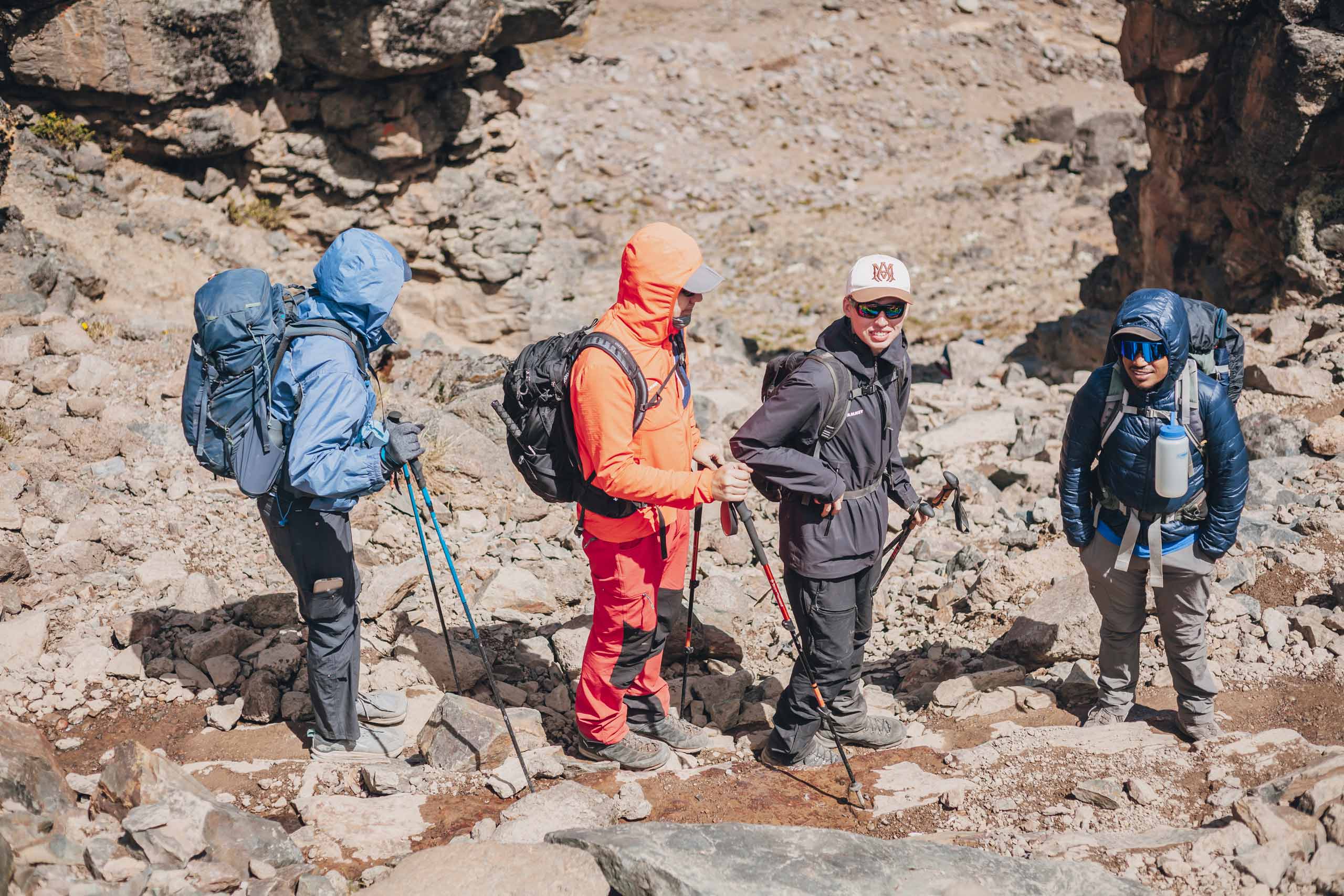
How Fit Do You Need to Be to Climb Kilimanjaro?
You do not need to be an elite athlete to climb Kilimanjaro. A good level of cardiovascular fitness, leg strength, and hiking endurance can help you manage long trekking days, uneven terrain, and the physical demands of high altitude.
Tips For Kilimanjaro Success Rate
To improve your Kilimanjaro success rate, choose a longer route, allow enough time for acclimatization, and prepare well before the trek. Longer itineraries provide a more gradual ascent, giving your body time to adjust to lower oxygen levels and improving your chances of reaching Uhuru Peak at 5,895 meters (19,341 feet).
During the climb, walk pole pole (slowly, slowly), stay hydrated, eat well, rest properly, and follow your guide’s advice. Managing your energy and responding to altitude changes are key to a successful summit.
- How to Increase Your Success
- Go Slow: Guides use a famous Swahili phrase, “pole pole” (slowly, slowly), to keep your heart rate down and help your body adjust.
- Choose a Longer Route: Selecting 7-to-9-day routes (like Lemosho or Machame) dramatically increases your chance of reaching the top compared to 5-to-6-day paths.
- Train Your Endurance: Focus on long hikes with weighted packs and building cardiovascular stamina months before your trip.
- Most users on agree that while it is non-technical and manageable with a slow pace, summit night remains one of the toughest things a person can do.
- Diamox (Acetazolamide)
- Hydration – Stay hydrated and drink water regularly.
Climbing Mount Kilimanjaro for beginners
Climbing Mount Kilimanjaro for beginners is possible with proper preparation, a suitable route, and enough time for acclimatization. You do not need previous mountaineering experience or technical climbing skills, but you should have a reasonable level of fitness and be comfortable walking for several hours each day. Regular hiking, cardio training, and leg-strength exercises can help build the endurance needed for the trek.
For first-time climbers, longer routes such as Lemosho, Machame, Rongai, and the Northern Circuit are often good choices because they allow more time for gradual adjustment to altitude. The main challenge is the high altitude, not technical climbing. Walking pole pole (slowly, slowly), staying hydrated, eating well, resting properly, and following your guide’s instructions can help you manage fatigue and altitude.
Understanding how hard is it to climb Kilimanjaro is important before starting your trek. Weather, altitude, route length, fitness, and your individual response to reduced oxygen can all affect the experience. With realistic preparation, the right equipment, a steady pace, and a well-planned itinerary, beginners can approach the climb with greater confidence and work toward reaching Uhuru Peak at 5,895 metres (19,341 feet).


Can an Average Person Climb Kilimanjaro?
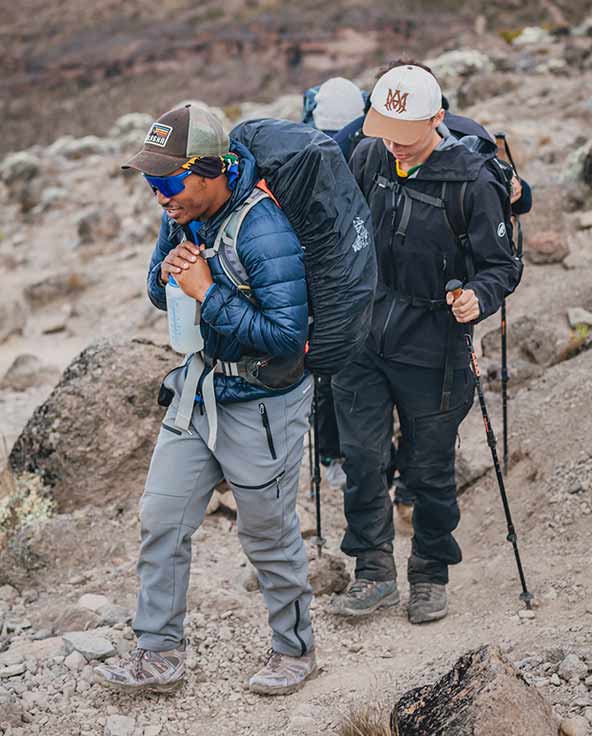
Yes, an average person can climb Kilimanjaro with proper preparation, a suitable route, and enough time for acclimatization. You do not need to be an elite athlete or an experienced mountaineer, but you should have reasonable fitness and be comfortable walking for several hours each day. Regular hiking, cardio exercise, and leg-strength training can help prepare your body for the demands of climbing Kilimanjaro and build the endurance needed for long trekking days.
The biggest challenge is altitude, not technical climbing. At 5,895 metres (19,341 feet), lower oxygen levels can make the trek difficult even for physically fit climbers. Choosing a longer route, walking pole pole (slowly, slowly), staying hydrated, eating well, and getting enough rest can make the ascent more manageable. Understanding how hard is it to climb Kilimanjaro also means recognizing that fitness alone does not determine success; acclimatization, preparation, pacing, weather, route choice, and your individual response to altitude all play important roles in reaching the summit safely.
Kilimanjaro Packing List
A well-planned Kilimanjaro Packing List is essential for staying comfortable, safe, and prepared throughout the trek. Conditions change as you gain elevation, so your gear should protect you from rain, strong winds, sun, cold temperatures, and freezing conditions near Uhuru Peak. Essential clothing includes waterproof hiking boots, moisture-wicking socks, thermal base layers, a fleece, a warm insulated jacket, waterproof rain gear, gloves, and a warm hat.
For higher elevations, pack a cold-weather sleeping bag, headlamp, daypack, water bottles, sunglasses, sunscreen, and trekking poles. Basic first-aid supplies, personal medication, toiletries, and high-energy snacks are also useful. Knowing how hard is it to climb Kilimanjaro helps you understand why proper equipment matters, especially during long trekking days and the cold summit night. Packing the right gear without unnecessary weight can improve comfort, conserve energy, and help you stay prepared for changing mountain conditions.
FAQ - How hard is it to Climb Kilimanjaro
How hard is it to climb Mount Kilimanjaro?
Climbing Mount Kilimanjaro is considered moderately to very challenging, mainly because of the high altitude rather than technical climbing. Most routes involve several days of trekking, long walking hours, steep sections, cold temperatures, and a demanding summit night.
Is Kilimanjaro suitable for beginners?
Yes. Beginners can successfully climb Kilimanjaro without previous high-altitude or mountaineering experience. Good preparation, a suitable route, gradual acclimatization, and a slow pace are important for first-time climbers.
How fit do you need to be to climb Kilimanjaro?
You should have a good level of cardiovascular fitness and endurance. You do not need to be an elite athlete, but you should be comfortable walking for several hours on consecutive days and handling uphill terrain.
What is the hardest part of climbing Kilimanjaro?
The summit night is usually the hardest part. Climbers typically begin in the early hours and spend many hours ascending in darkness, cold temperatures, and very thin air before reaching Uhuru Peak at 5,895 metres.
Is altitude sickness the biggest challenge on Kilimanjaro?
For many climbers, yes. Altitude is a major challenge because oxygen availability decreases significantly as you ascend. Choosing a longer itinerary and allowing additional days for acclimatization can make the climb more manageable. TANAPA specifically advises climbers to add acclimatization days and walk slowly.
How many days does it take to climb Kilimanjaro?
Kilimanjaro routes generally take about 5–9 days or longer. Longer itineraries provide more time for acclimatization and are generally preferable for climbers who want to improve their chances of reaching the summit.
Which Kilimanjaro route is easiest for beginners?
There is no single route that is easiest for everyone. The best choice depends on fitness, experience, and acclimatization needs. Longer routes such as Lemosho and the Northern Circuit give climbers more time to adjust to altitude, while Marangu offers hut accommodation.
How cold does it get when climbing Kilimanjaro?
Temperatures become much colder as you gain altitude, with freezing conditions possible around the summit. Climbers need warm, weatherproof clothing, gloves, a hat, and suitable footwear.
Can an average person climb Mount Kilimanjaro?
Yes. TANAPA states that adults in normal health and fitness should generally be able to reach the summit without specialist climbing equipment. Patience, determination, proper preparation, and acclimatization are essential.
What makes climbing Kilimanjaro difficult?
The combination of high altitude, long hiking days, steep sections, cold weather, and the final summit push makes Kilimanjaro challenging. It is not the technical difficulty of climbing that makes Kilimanjaro hard,it is the physical and mental endurance required at high altitude.
Do You Need Climbing Experience to Climb Kilimanjaro?
No, you do not need previous climbing or mountaineering experience to climb Kilimanjaro. Kilimanjaro is a non-technical trek, so you do not need ropes, rock-climbing skills, or previous mountain-climbing experience.
Plan your Trip
Ready to start planning your own incredible adventure?
We make the process stress-free and enjoyable.