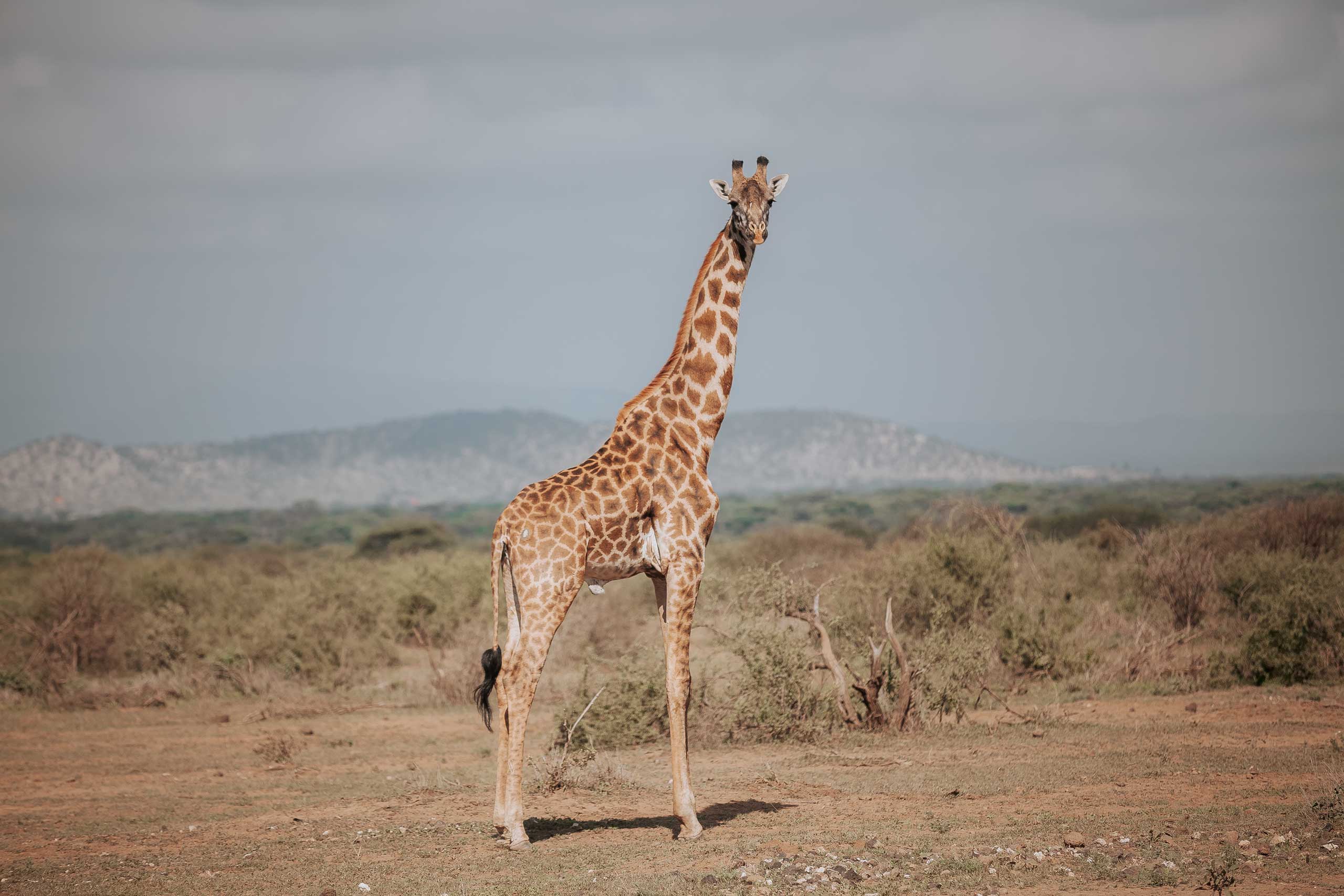
West Kilimanjaro, Tanzania, is a scenic and tranquil safari landscape located along the western foothills of Mount Kilimanjaro in northern Tanzania. The area features vast open grasslands, scattered acacia trees, river valleys, and gentle rolling hills, all framed by the towering presence of Africa’s highest mountain. It’s quiet and natural setting makes it an attractive destination for travellers seeking an uncrowded and authentic wilderness experience. This region forms part of a wider Tran’s boundary ecosystem that connects wildlife habitats between Tanzania and Kenya, allowing animals to move freely in search of water and grazing. The varied terrain and seasonal water sources create favourable conditions for a wide range of wildlife species to thrive throughout the year. Large herbivores, including Elephants, Giraffes, Zebras, Wildebeest, Elands, and various antelope species, inhabit West Kilimanjaro. The distinctive Gerenuk antelope, famous for its ability to stand upright while feeding on tree leaves, can also be found here. Predators like Leopards, Cheetahs, Jackals and Hyenas cannot be spotted easily. The area is well-suited for walking safaris, guided game drives, and meaningful cultural interactions with the Maasai community, offering visitors a rich and immersive safari experience in northern Tanzania. WHY VISIT WEST KILIMANJARO West Kilimanjaro stands out as a genuine and untouched wilderness destination, offering stunning and uninterrupted views of Mount Kilimanjaro, Africa’s tallest peak. The wide open plains, scattered acacia trees, and gently rolling landscapes create a tranquil and picturesque setting, allowing visitors to feel closely connected to the environment. Its calm atmosphere makes it perfect for travellers looking for a quieter and more exclusive safari experience away from the busier national parks. The area offers a diverse range of safari experiences that let visitors engage with its beauty in multiple ways. Guests can enjoy horseback safaris across the open plains, guided walking safaris through the wilderness, and immersive cultural interactions with the Maasai community. These activities provide deeper insight into both the local culture and the surrounding wildlife while creating memorable and meaningful safari experiences. West Kilimanjaro also serves an important role in regional wildlife conservation as part of a key movement corridor for elephants and other species. This area links Kilimanjaro National Park in Tanzania with Amboseli National Park in Kenya, enabling animals to move freely between these protected zones in search of food and water. This makes West Kilimanjaro an excellent place to observe large herds of elephants and other plains animals in their natural environment. |
BIRDLIFE IN WEST KILIMANJARO West Kilimanjaro is a haven for birdwatchers, hosting a wide variety of bird species across its diverse habitats, including savannahs, acacia woodlands, riverine forests, and seasonal wetlands. Visitors can spot colorful species such as bee-eaters, rollers, hornbills, and herons, as well as raptors like fish eagles and hawks soaring above the plains. The region’s wetlands attract water birds, while the woodland areas provide shelter for smaller, exotic species, making it an ideal destination for both casual birdwatchers and serious ornithologists. With its relatively quiet environment and rich biodiversity, West Kilimanjaro offers excellent opportunities for photography and observing birds in their natural habitat. POPULAR ACTIVITIES IN WEST KILIMANJARO West Kilimanjaro offers a variety of exciting and meaningful safari activities that allow tourists to explore its vast landscapes, rich wildlife, and cultural heritage in different ways. The area’s open plains, rolling hills, and dramatic views of Mount Kilimanjaro create the perfect setting for both adventure and relaxation. One of the most unique experiences in West Kilimanjaro is horse walking (horseback safari). (Horseback Safari) Visitors ride well-trained horses across savannah plains and gentle slopes while enjoying close views of wildlife and the majestic backdrop of Mount Kilimanjaro. Moving quietly on horseback allows travellers to observe animals such as elephants, giraffes, zebras, wildebeest, and antelopes more naturally and intimately. Walking safaris are another popular activity, offering a deeper connection to nature. Accompanied by skilled guides, visitors can explore the landscape on foot, learn about animal tracks, plants, and the ecosystem, and experience the wilderness from a more personal perspective. Game viewing is also a key highlight of West Kilimanjaro. The open terrain and quieter environment make wildlife sightings more rewarding compared to busier national parks. Visitors have excellent chances of seeing elephants, giraffes, zebras, wildebeest, and other plains animals in their natural habitat. Cultural experiences with the Maasai community add a meaningful dimension to any visit. Travellers can engage with local Maasai people through village visits, traditional dances, storytelling, and learning about their customs and way of life. This creates a valuable cultural exchange while supporting local communities. Overall, West Kilimanjaro offers a unique blend of adventure, wildlife, and culture, making it an ideal destination for travellers seeking an authentic and memorable safari experience in northern Tanzania. WHERE TO STAY IN WEST KILIMANJARO |