Ngorongoro Expedition and Tours

How to Plan Your Serengeti Safari

Plan your Serengeti safari with expert tips on the best time to visit, safari costs, wildlife areas and choosing the right Tanzania tour.

Planning a Serengeti safari involves choosing the best time to visit, deciding how many days to spend in the park, selecting the right wildlife areas and setting a suitable budget. Located in northern Tanzania, Serengeti National Park is one of Africa’s most famous safari destinations, known for its vast open plains, diverse wildlife, large lion populations and the spectacular Great Wildebeest Migration. Visitors can enjoy exciting game drives and opportunities to see elephants, giraffes, zebras, cheetahs, leopards and other wildlife in their natural habitats.

Whether you are planning a budget, mid-range or luxury safari, understanding the travel seasons, accommodation options, transport, park fees and safari costs will help you make informed decisions. You should also consider which Serengeti region to visit, how to get there from Arusha and whether a private or shared safari suits your travel plans. This guide explains how to plan your Serengeti safari, what to expect in different wildlife areas and how to choose a reliable local tour operator for an unforgettable Tanzania wildlife experience.

Where Is Serengeti National Park Located

Serengeti National Park is located in northern Tanzania, East Africa, bordering Kenya’s Maasai Mara National Reserve. Covering approximately 14,763 square kilometres, it features vast savannah plains, woodlands, river valleys and rocky kopjes. The park is a UNESCO World Heritage Site, famous for its rich wildlife and the Great Migration. 

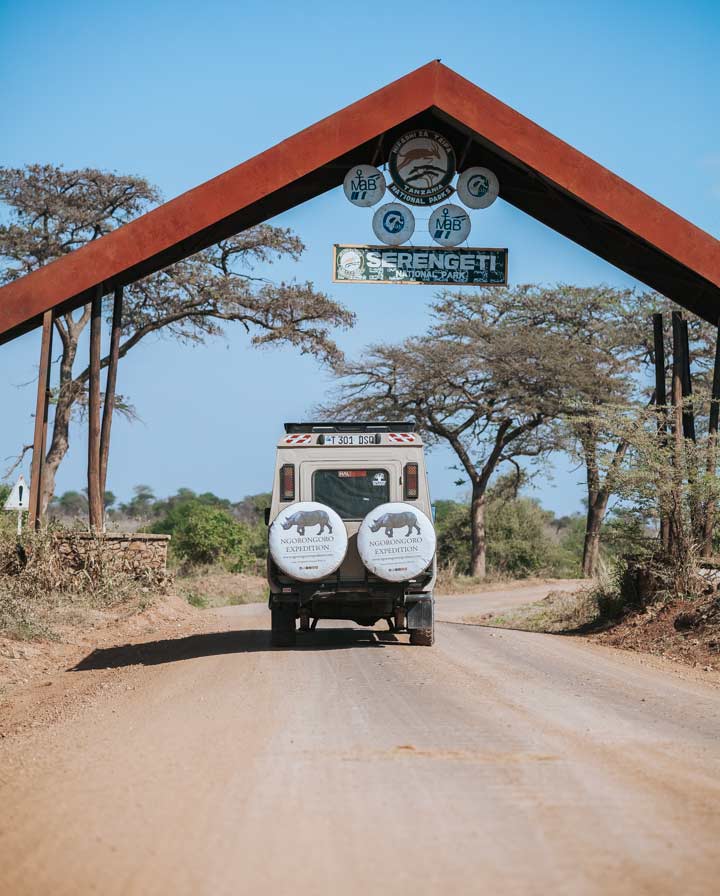
Most international visitors arrive at Kilimanjaro International Airport (JRO) and continue to Arusha, a major starting point for Tanzania safaris. From Arusha, the journey to the Serengeti takes approximately 7–8 hours by road, usually passing through Karatu and entering via Naabi Hill Gate. Alternatively, scheduled domestic flights connect Arusha with airstrips such as Seronera, Kogatende and Grumeti, providing a faster way to reach different areas of the park.

How Do You Get to Serengeti National Park?

You can get to Serengeti National Park from Arusha by road in approximately 7–8 hours or by scheduled domestic flight in roughly 1–1.5 hours, depending on your destination. Driving offers scenic views of northern Tanzania and allows you to travel through the Ngorongoro Conservation Area, while flying saves time and takes you closer to your chosen wildlife area.

  • By Road: Driving from Arusha to Serengeti National Park takes approximately 7–8 hours, depending on your route and destination. Most safari vehicles travel through Karatu and the Ngorongoro Conservation Area before entering the park through Naabi Hill Gate. You can also include a visit to Ngorongoro Crater in a longer safari itinerary.
  • By Air: Flying is the fastest way to reach Serengeti National Park from Arusha. Scheduled domestic flights and charter services connect Arusha with airstrips such as Seronera, Kogatende and Grumeti. Flight times generally range from 1 to 1.5 hours, depending on the destination and stops. Small aircraft have luggage restrictions, so travellers should use soft-sided bags and check the airline’s baggage allowance before departure. Many visitors choose to drive into the Serengeti and fly back to Arusha to save time.
Serengeti Safari
 

How Many Days Do You Need for a Serengeti Safari?

You need at least 3 days for a Serengeti safari, but 4 to 5 days is ideal for exploring different wildlife areas at a relaxed pace. A 3-day safari is suitable for visiting one main area, while 4 to 5 days gives you more time for game drives, spotting wildlife and exploring different parts of the park. If you have 6 to 7 days, you can enjoy a longer Serengeti experience and combine your trip with other northern Tanzania destinations, such as Ngorongoro Crater and Tarangire National Park.

If you want to see the Great Migration, plan your safari around the seasonal movements of the herds. The Ndutu area is particularly important from January to March during the calving season, when thousands of wildebeest give birth and attract predators such as lions, cheetahs and hyenas. From July to October, the northern Serengeti offers opportunities to witness wildebeest crossing the Mara River, although crossings are not guaranteed. For most travellers, 4 to 5 days offers a good balance of wildlife viewing, game drives, comfort and value.

Which Areas of Serengeti National Park Should You Visit?

The main areas to visit in Serengeti National Park are Central Serengeti, Northern Serengeti, Southern Serengeti and the Western Corridor. Each offers a different wildlife experience depending on the season and movement of the Great Migration. Central Serengeti, particularly the Seronera Valley, is excellent for year-round wildlife viewing, including lions, leopards and cheetahs. Northern Serengeti, especially around Kogatende, is famous for Mara River crossings, mainly from July to October.

Southern Serengeti and the nearby Ndutu plains are particularly important from January to March, when large herds of wildebeest gather for the calving season, attracting predators such as lions, cheetahs and hyenas. The Western Corridor, around the Grumeti River, is known for seasonal migration movements, generally from May to July. Choose your safari area based on your travel dates and wildlife interests, allowing enough time to explore because travelling between different Serengeti regions can take several hours.

Best Time for Safari in Serengeti National Park Tanzania

The best time for a Serengeti safari is from June to October, when the dry season makes wildlife easier to spot. Shorter grass and limited water encourage animals to gather around rivers and water sources. The northern Serengeti also offers opportunities to witness Great Migration river crossings, mainly from July to October.

January to March is another excellent time to visit, especially the southern Serengeti and nearby Ndutu area, where the Great Migration calving season takes place. Large herds of wildebeest gather on the plains to give birth, attracting predators such as lions, cheetahs and hyenas. April and May bring the long rains, greener landscapes and generally fewer visitors, although some roads can become difficult to access. The Serengeti offers wildlife viewing throughout the year, so the best travel dates depend on the experience you want.

What Animals Can You See on a Serengeti Safari Africa?

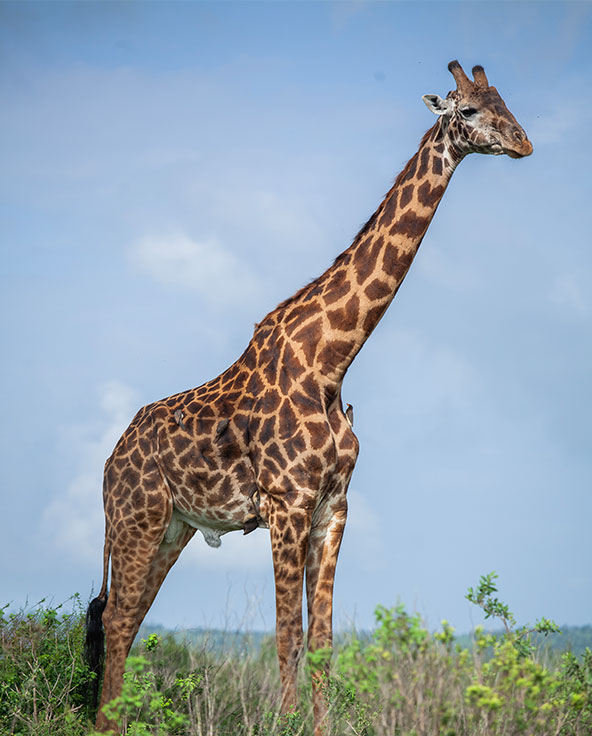
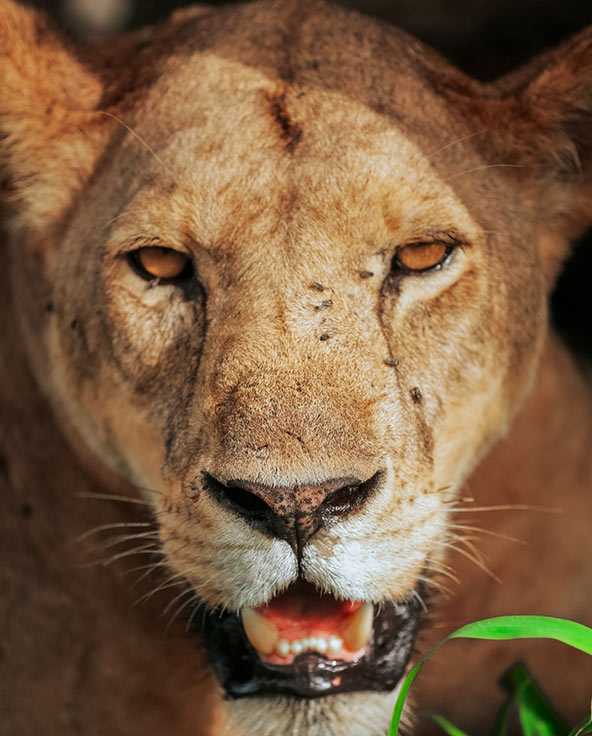
On a Serengeti safari, you can see lions, leopards, cheetahs, elephants, buffaloes, giraffes, zebras, wildebeest, hyenas, hippos and crocodiles, along with several species of antelope. Serengeti National Park is one of Africa’s best places to see big cats, and its open plains, woodlands and river valleys support large wildlife populations all year.

The Serengeti is home to the Big Five: lions, leopards, elephants, buffaloes and rhinoceroses. Black rhinos are present but very rare, so sightings are not guaranteed. The park is also famous for the Great Migration, when approximately 1.5 million wildebeest and hundreds of thousands of zebras and gazelles move across the ecosystem in search of fresh grazing and water, attracting predators along the way.

The animals you see depend on the season, the area you visit and the time you spend on game drives. Central Serengeti is best for big cats year-round, while the herds and predators gather in the south from January to March and in the north from July to October.

Where Should You Stay During Your Serengeti Safari?

 The best place to stay during your Serengeti safari is a camp or lodge close to the wildlife area you want to visit, depending on your travel dates. Central Serengeti (Seronera) suits year-round wildlife viewing, Northern Serengeti is best for a chance to see Mara River crossings from July to October, Southern Serengeti and the nearby Ndutu area are best from January to March during calving season, and the Western Corridor (Grumeti) is usually best from May to July.

Accommodation ranges from public campsites and budget camps to mid-range tented camps, luxury lodges and seasonal mobile camps that move with the migration. Choose based on your budget and comfort level. Staying close to your preferred wildlife area reduces travel time and leaves more time for game drives.

How Do You Choose the Best Serengeti Safari Tours?

To choose the best Serengeti safari tours, compare the itinerary, duration, accommodation, price and wildlife areas included, and match your travel dates to the right Serengeti region. Check whether the tour includes park fees, accommodation, meals, transport and game drives. Decide whether you prefer budget camping, mid-range lodges or luxury tented camps, and whether a private safari or shared group tour suits your budget and travel plans.

Before booking, ask for a detailed itinerary and a written breakdown of all inclusions and exclusions. Compare options carefully rather than choosing based only on price, as unusually cheap tours may exclude important costs or offer lower accommodation standards. 

2 Day Serengeti Safari

2 Days /1 Nights

3 Day Serengeti Safari

3 Days / 2 Nights

4 Day Serengeti Safari

4 Days /3 Nights

5 Days Serengeti Adventure

5 Days / 4 Nights

6 Day Serengeti Safari

7 Days /6 Nights

7 Day Serengeti Safari Africa

7 Days / 6 Nights

8 Day Serengeti Tour

8 Days /7 Nights

10 Day Great Migration Safari

10 Days / 9 Nights

FAQ - How to Plan a Serengeti Safari

How do i plan a Serengeti Safari?

To plan a Serengeti safari, choose your travel dates, decide how many days you have, select the wildlife areas you want to visit and set your budget. Then choose accommodation and book with a licensed local tour operator.

The best time for a Serengeti safari is June to October, during the dry season. January to March is also excellent for the calving season in the southern Serengeti and Ndutu area.

A Serengeti safari in Africa offers opportunities to see lions, leopards, cheetahs, elephants, buffaloes, giraffes, zebras, wildebeest, hyenas, hippos and crocodiles. The Serengeti is also home to the Big Five, although black rhinos are rare and sightings are not guaranteed.

Compare Serengeti safari tours based on itineraries, duration, accommodation, prices and included services. Choose a licensed local operator with experienced guides and good recent reviews, and match the tour to your travel dates, budget and wildlife interests.

A Serengeti safari typically costs about $250–$350 per person per day for budget trips, $400–$700 for mid-range and $800 or more for luxury, depending on the season, accommodation and group size. Always check what your quotation includes and excludes.

You need at least 3 days for a Serengeti safari, but 4 to 5 days is ideal for exploring different wildlife areas. Longer trips of 6 to 7 days let you combine the Serengeti with Ngorongoro Crater and Tarangire National Park.

Expect early-morning and late-afternoon game drives in a 4×4 vehicle with a pop-up roof, led by an experienced guide, with nights in a camp or lodge. Wildlife sightings depend on the season and area, so none are guaranteed.

Plan your Trip

Ready to start planning your own incredible adventure?
We make the process stress-free and enjoyable.