Mount Kilimanjaro: History of the first person to climb Kilimanjaro The first person to climb Kilimanjaro was part of a landmark expedition completed in 1889, when Hans Meyer and Ludwig Purtscheller successfully reached the summit of Africa’s highest mountain. Their achievement marked the first recorded ascent of Mount Kilimanjaro, bringing global attention to the iconic, snow-capped peak that rises dramatically near the equator. At the time, Kilimanjaro was considered one of the most mysterious and challenging mountains in the world, with many doubting whether its icy summit could be reached at all.This successful climb came after several failed attempts by earlier explorers, making the 1889 expedition especially significant. Meyer and Purtscheller combined geographical knowledge, mountaineering skill, and determination to overcome the extreme altitude, freezing temperatures, unpredictable weather, and rugged terrain that characterize Mount Kilimanjaro. Reaching the summit, then known as Kaiser-Wilhelm-Spitze, proved that the mountain was climbable and opened a new chapter in African exploration and high-altitude mountaineering. First African to climb Mount Kilimanjaro However, the success of the first ascent would not have been possible without the vital support of Mzee Yohane Lauwo, also commonly spelled Mzee Yohane Lawuo. A local Chagga porter from the Kilimanjaro region, Mzee Yohane Lauwo, played a crucial role in the expedition by carrying supplies, assisting with camp setup, and supporting the climbers as they pushed into increasingly hostile conditions near the summit. His physical endurance and ability to function effectively at high altitude were exceptional, especially at a time when scientific understanding of altitude sickness was limited. Mzee Yohane Lauwo is widely recognized as the first African to reach the summit of Mount Kilimanjaro, a distinction that highlights the often-overlooked contributions of local Africans to early exploration. While European climbers recorded and published accounts of the ascent, the role of African porters like Mzee Yohane Lauwo was fundamental to the expedition’s success. Today, his legacy stands as a powerful reminder that the story of the first person to climb Kilimanjaro is not complete without acknowledging the collaboration between explorers and local expertise. The First Recorded Ascent of Mount Kilimanjaro in 1889 After several unsuccessful attempts in earlier years, Hans Meyer returned to Mount Kilimanjaro in 1889 with improved preparation, better planning, and a stronger understanding of the challenges posed by the mountain. This time, he was accompanied by Ludwig Purtscheller, an experienced high-altitude climber whose alpine skills proved essential in navigating Kilimanjaro’s icy upper slopes. Together, they formed a determined and capable leadership team for what would become one of the most important expeditions in the history of African exploration. The success of the 1889 expedition depended heavily on the support of local porters from the Chagga community, whose knowledge of the mountain’s terrain, weather patterns, and logistics was invaluable. These porters were responsible for carrying food, equipment, and supplies, establishing camps at increasing elevations, and assisting the climbers as conditions grew more severe. Among them, Mzee Yohane Lauwo, also known as Mzee Yohane Lawuo, stood out for his exceptional endurance and ability to function effectively at high altitude, an ability that posed serious challenges for many early European climbers. As the expedition advanced higher up the mountain, the team faced freezing temperatures, deep snow, strong winds, and the effects of altitude sickness. Without modern climbing gear, oxygen support, or accurate weather forecasting, each step toward the summit required careful judgment and physical resilience. The presence of Mzee Yohane Lauwo proved critical during these final stages, as he continued to support the climbers despite the harsh and dangerous conditions. On October 6, 1889, the expedition successfully reached the summit of Mount Kilimanjaro, then known as Kaiser-Wilhelm-Spitze, marking the first recorded ascent of Mount Kilimanjaro. This achievement ended years of speculation about whether Africa’s highest peak could be climbed and firmly established Kilimanjaro as a mountain of global significance. The 1889 ascent not only represented a milestone in mountaineering history but also laid the groundwork for future scientific study, exploration, and the modern climbing routes that thousands of people follow today. |
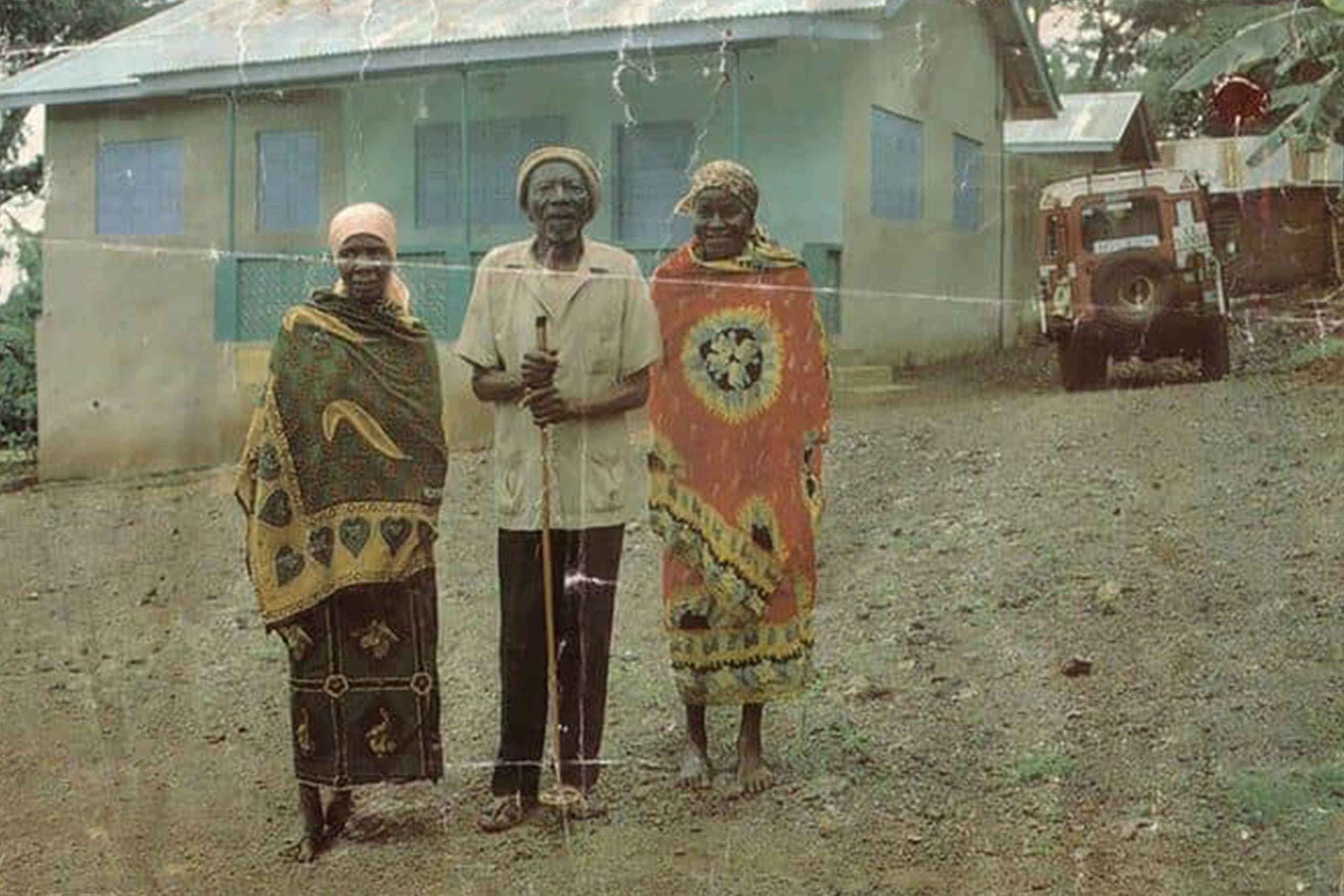
Route Used to Reach the Summit The 1889 expedition approached Mount Kilimanjaro from the southern slopes, following paths that closely align with what is now known as the Marangu Route. Unlike today’s clearly marked trails and well-maintained routes, the climbers faced a landscape largely unmapped and unfamiliar to European explorers. There were no established footpaths to follow beyond local tracks used by the Chagga people, and navigation relied heavily on observation, experience, and guidance from local porters. At the time, Mount Kilimanjaro had no huts, fixed camps, or permanent shelters. Camps had to be established manually at various elevations using basic materials, and each stage of the climb required careful planning to balance progress with the need for rest and acclimatization. The expedition advanced gradually, retreating when necessary to recover from altitude effects before attempting higher elevations again. This slow and methodical approach was essential, as scientific knowledge of acclimatization and altitude sickness was extremely limited in the late 19th century. As the team climbed higher, the terrain changed dramatically. Dense forests gave way to heath and moorland, then to a barren alpine desert, and eventually to snow and ice near the summit. Crossing the upper slopes required exceptional physical endurance, especially in freezing temperatures and strong winds. The final sections of the climb involved navigating glaciers and steep, icy terrain without modern crampons, insulated boots, or technical climbing equipment. Throughout the ascent, Mzee Yohane Lauwo, also known as Mzee Yohane Lawuo, played a crucial role in the expedition’s success. He was instrumental in transporting supplies to high camps, assisting with camp setup, and supporting the climbers as they crossed snow-covered and icy terrain near the summit. His ability to continue working effectively at extreme altitude was remarkable, particularly at a time when many European climbers struggled with exhaustion and altitude-related illness. The route used by the 1889 expedition laid the foundation for what would later become one of Kilimanjaro’s most popular climbing approaches. Today, the Marangu Route remains known for its historical significance, as it closely follows the path taken during the first successful ascent. The endurance, teamwork, and reliance on local expertise demonstrated along this route highlight the collaborative nature of the first climb and underscore the essential role played by Mzee Yohane Lauwo in reaching the summit of Mount Kilimanjaro. Challenges Faced During the First Climb Climbing Mount Kilimanjaro in 1889 was an extremely dangerous undertaking, far more perilous than it is today. The expedition faced freezing temperatures, powerful winds, deep snow, and unpredictable weather, all without the benefit of modern clothing, technical gear, oxygen support, or accurate weather forecasts. As the team moved higher up the mountain, conditions became increasingly hostile, especially above the snowline, where exposure to cold and wind posed a constant threat. One of the most serious challenges was altitude sickness, which was poorly understood at the time. There were no established acclimatization schedules, and medical knowledge of how the human body responds to extreme altitude was limited. Symptoms such as headaches, nausea, fatigue, and disorientation affected the climbers as they ascended, forcing them to move slowly and retreat repeatedly to lower elevations before attempting higher ground again. Each push toward the summit required careful judgment and physical resilience. The climbers’ equipment was rudimentary compared to modern standards. Heavy wool garments provided minimal insulation when wet, boots lacked adequate traction on ice, and climbing tools were unsophisticated. Traversing snow-covered slopes and icy sections near the summit was particularly hazardous, as a single misstep could result in severe injury or death. The lack of fixed ropes, shelters, or established camps left the team continuously exposed to harsh environmental conditions. Logistical obstacles further complicated the ascent. All supplies, including food, tents, and equipment, were transported manually up the mountain. Camps were constructed and dismantled multiple times as the team progressed, contributing to significant physical exhaustion. In these demanding circumstances, the role of local porters proved indispensable. Among them, Mzee Yohane Lauwo, also known as Mzee Yohane Lawuo, demonstrated exceptional strength and endurance. His ability to operate effectively at high altitude, continue carrying loads, and support the climbers despite severe conditions played a critical role in the expedition’s success. While many early European climbers struggled with exhaustion and altitude-related illness, Mzee Yohane Lauwo’s resilience highlighted the importance of local experience and physical adaptation to the mountain environment. Despite these considerable challenges, the determination and collaboration of the entire expedition enabled the ascent. The successful 1889 climb of Mount Kilimanjaro serves as evidence of both exploratory ambition and the essential contributions of African porters, whose efforts significantly influenced the history of early mountaineering |
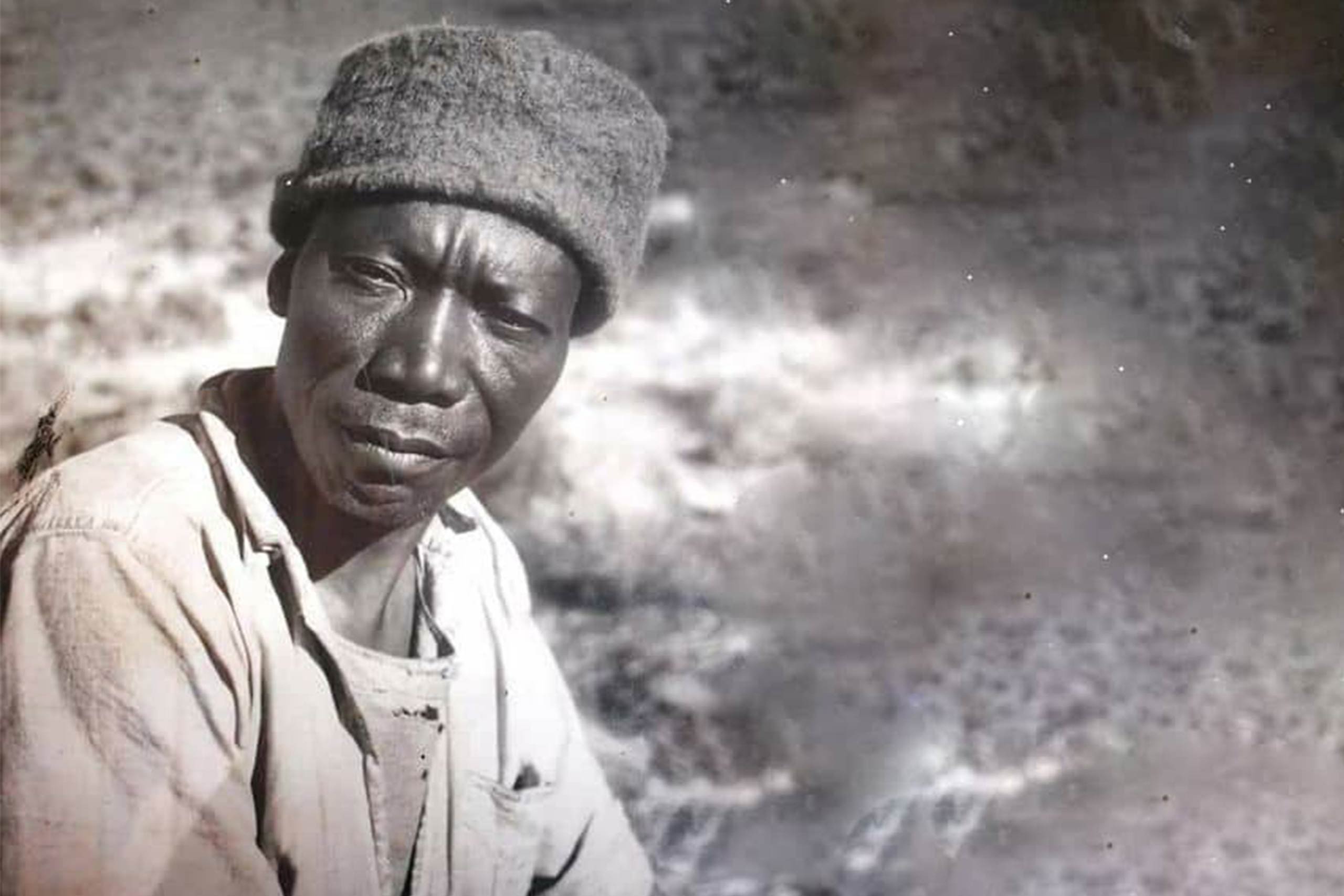
Historical Significance of the First Kilimanjaro Climb The first successful climb of Mount Kilimanjaro in 1889 marked a major milestone in African exploration and global mountaineering. By reaching the summit of Africa’s highest mountain, Hans Meyer and Ludwig Purtscheller proved that Kilimanjaro was not an unreachable or mythical peak, but a mountain that could be climbed and studied. Their achievement brought international attention to Kilimanjaro and sparked growing interest in exploration, geography, and high-altitude science. Beyond its symbolic importance, the ascent provided valuable insights into glaciation near the equator and human endurance at extreme altitude. These findings influenced future expeditions and helped shape early mountaineering knowledge in tropical environments. While Meyer and Purtscheller documented the climb in European records, modern recognition increasingly highlights the vital role of Mzee Yohane Lauwo, also known as Mzee Yohane Lawuo. As a Chagga porter from the Kilimanjaro region, his strength, resilience, and ability to function effectively at high altitude were essential to the expedition’s success. His contribution highlights the often-overlooked role of African porters in early exploration. Today, Mzee Yohane Lauwo is recognized as a foundational figure in Kilimanjaro’s climbing legacy. His role represents the beginning of the guiding and porter tradition that continues on Mount Kilimanjaro, where local expertise remains central to every successful ascent. Modern Climbing Compared to the First Ascent Modern gear, such as insulated clothing, reliable boots, trekking poles, and weather forecasting, has greatly reduced the physical risks faced by early climbers. Medical support, altitude awareness, and rescue protocols further increase safety, making Kilimanjaro accessible to people from all over the world. These improvements stand in sharp contrast to the conditions faced during the first ascent of Mount Kilimanjaro, when climbers relied on basic equipment and limited medical knowledge. Despite these advancements, success on Kilimanjaro still depends heavily on local expertise. Professional Tanzanian guides and porters play a central role in navigation, safety, pacing, and logistics, just as local support was essential during the first climb. This enduring reliance on local knowledge directly continues the legacy established by Mzee Yohane Lauwo, also known as Mzee Yohane Lawuo, whose contribution was critical to the 1889 expedition. While modern climbers may not face the same level of uncertainty as the early explorers, Mount Kilimanjaro remains a physically demanding mountain. Altitude, weather, and endurance still determine success, reminding climbers that the achievement of the first person to climb Kilimanjaro was an extraordinary feat. Today’s guided ascents honor that history by building on the foundations laid by early explorers and local porters who first proved the mountain could be climbed. who was the first person to climb kilimanjaro
|