
Best Time to Visit Serengeti
Planning your Serengeti safari? Discover the best time to visit Serengeti National Park for unforgettable wildlife experiences.
The best time to visit Serengeti National Park depends on what you want to see and experience during your safari. June to October is generally ideal for dry weather, excellent wildlife viewing, and predator sightings, while January and February are especially good for witnessing the wildebeest calving season in the southern Serengeti.
The Great Wildebeest Migration moves through different areas of the Serengeti throughout the year. The southern Serengeti and Ndutu are important during the calving season, the Western Corridor is known for the Grumeti River migration, and Northern Serengeti offers opportunities to see the herds around the Mara River later in the year.
The Serengeti is a year-round safari destination, and each season has its own advantages. The dry months usually provide easier wildlife viewing, while the greener months offer lush landscapes, newborn animals, migratory birds, and fewer visitors.
Ultimately, the best time to visit Serengeti depends on your travel dates, budget, interests, and preferred safari experience. Whether you want to see the Great Migration, wildebeest calving, predators, the Big Five, or enjoy a quieter safari, choosing the right season can help you make the most of your Tanzania safari.
Serengeti National Park in Tanzania?
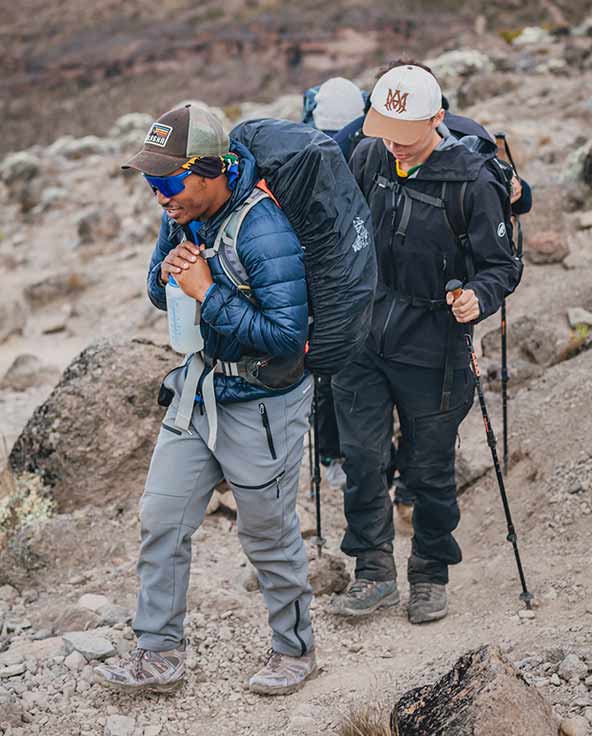
Is Kilimanjaro Hard to Climb? The answer depends on several factors, including altitude, route, trekking duration, weather, fitness, and acclimatization. Kilimanjaro is a challenging but non-technical mountain, so you do not need ropes, rock-climbing skills, or advanced mountaineering experience. Is Kilimanjaro Hard to Climb? Yes, mainly due to extreme altitude, long trekking days, cold temperatures, steep sections, and physical fatigue. At 5,895 meters (19,341 feet), the air becomes much thinner as you ascend, making the higher sections more demanding.
The final summit attempt is usually the toughest part of the trek. Trekkers often begin at night and climb for several hours through darkness, freezing temperatures, thin air, and steep terrain before reaching Uhuru Peak, the highest point in Africa. Proper Kilimanjaro acclimatization, a slow and steady pace, suitable equipment, physical preparation, and an experienced mountain crew can make the climb more manageable and improve your chances of reaching the summit.
What Are the Different Seasons in Serengeti National Park?
The different seasons in Serengeti National Park are mainly shaped by changes in rainfall. The year starts with a relatively dry and green period in January and February, when wildebeest calving is a major attraction in the southern Serengeti. Rain becomes more regular from March to May, bringing new grass and quieter safari conditions. June to October is the driest part of the year, when shorter grass and fewer water sources can make wildlife easier to see. Short rains return in November and December, changing the landscape and encouraging herds to move toward areas with fresh pasture.
Short Dry Season - January to February
January and February bring warm conditions to the Serengeti, with sunny periods and occasional rain. The grasslands remain green, providing plenty of food for wildebeest, zebra, gazelles, and other grazing animals. Large herds gather in the southern Serengeti and Ndutu area, where the wildebeest calving season is at its peak.
Newborn calves are one of the main highlights during these months. Their presence also brings increased predator activity, with lions, cheetahs, hyenas, and other predators often found near the herds. The green plains, active wildlife, and opportunities to see young animals make this a rewarding period for game drives and wildlife photography. Compared with the wetter months, January and February can also offer more comfortable safari conditions with periods of clear weather.
Long Rainy Season - March to May
March to May is the long rainy season in Serengeti National Park, with more frequent rainfall and greener landscapes. The rain supports fresh grass and water across the plains, creating good feeding conditions for wildebeest, zebra, gazelles, and other herbivores. As the calving season comes to an end, large herds gradually begin moving away from the southern Serengeti toward areas with new grazing.
April and May are usually quieter months for tourism, so visitors can enjoy fewer vehicles and a more peaceful safari. Some roads may become wet or muddy after heavy rain, but game drives can still be rewarding. The fresh vegetation, dramatic skies, active birdlife, and fewer visitors also make this period attractive for wildlife photography and travelers seeking a quieter Serengeti safari.
Long Dry Season - June to October
June to October is the long dry season in Serengeti National Park, with little rainfall, clear skies, and cooler mornings and evenings. As water becomes less available, many animals gather around rivers, waterholes, and other reliable sources, making wildlife easier to locate during game drives. The vegetation also becomes shorter and more open, improving visibility across the plains.
This period is especially important for the Great Wildebeest Migration, as herds move through different parts of the Serengeti in search of fresh grazing. Depending on the month and location of the herds, visitors may see large concentrations of wildebeest and zebra, as well as predators following them. June to October is therefore a popular time for game drives, wildlife photography, and classic Serengeti safari experiences.
Short Rainy Season - November to December
The short rainy season in Serengeti National Park runs from November to December. Short rains bring fresh grass and green vegetation across the plains, creating beautiful landscapes and good conditions for photography. Wildlife remains active, while migratory wildebeest and other herds begin moving toward the southern Serengeti in search of fresh pasture.
Visitor numbers are generally lower than during the peak dry season, so November and December can offer a quieter safari experience. This period is particularly appealing to travellers interested in green landscapes, wildlife viewing, photography, and fewer crowds.
When Is the Best Time to See the Great Wildebeest Migration?
The best time to see the Great Wildebeest Migration in Serengeti National Park is generally from June to October. During these months, large herds of wildebeest and zebra move across the Serengeti in search of fresh grass and water. This period offers excellent opportunities for game drives, wildlife photography, and seeing large groups of animals moving across the plains.
July to September is a popular time to see the migration in the Northern Serengeti, where the herds may reach and cross the Mara River. June and July can also be good months to see herds in the Western Serengeti, around the Grumeti area, depending on animal movement.
If you want to see wildebeest calving, January and February are among the best months to visit. Thousands of calves are born in the southern Serengeti and Ndutu area, attracting predators such as lions, cheetahs, and hyenas.
The migration does not follow the same dates every year. The herds move according to rainfall, water, and fresh grass, so their location can change. For this reason, Mara River crossings cannot be guaranteed on specific dates, but visiting during the main migration periods gives you a good chance of seeing the herds.
Best Time to See Wildebeest Calving in Serengeti?
The best time to see wildebeest calving in Serengeti National Park is from January to February, especially in the southern Serengeti and Ndutu area. During this period, large herds gather on the short-grass plains, and thousands of wildebeest give birth to their calves.
The wildebeest calving season is one of the best times for a Serengeti safari because you can see newborn calves staying close to their mothers and large herds spread across the open plains. The high number of young animals also attracts predators such as lions, cheetahs, hyenas, and leopards, making game drives exciting for wildlife viewing and photography.
January and February also bring green grass, fresh grazing, and good concentrations of wildlife across the southern Serengeti. The exact timing can vary slightly each year because the herds follow rainfall and fresh grass. For the best chance of seeing wildebeest giving birth and newborn calves, January and February are the recommended months to visit the Serengeti.

When Is the Best Time to See Mara River Crossings?
The best time to see Mara River crossings in Serengeti National Park is from July to September, when large herds of wildebeest and zebra move through the Northern Serengeti during the Great Wildebeest Migration. August and September are particularly popular months for travelers hoping to witness this dramatic wildlife event?
During this period, thousands of wildebeest may gather along the Mara River before attempting to cross. The waiting, movement, and sudden rush into the water can create an unforgettable safari experience, while crocodiles and other predators may be found near the river.
However, Mara River crossings are natural events and cannot be guaranteed on a specific day. The herds move according to rainfall, water, and fresh grass, so the timing can change each year. For the best chance of seeing a crossing, plan a Northern Serengeti safari between July and September and stay in the area for several days.
When is the best time to visit the Serengeti
The best time to visit the Serengeti depends on what you want to experience during your Tanzania safari. January and February are among the best months for the wildebeest calving season, while June to October are excellent for wildlife viewing and the Great Wildebeest Migration. November and December are ideal for travelers who prefer green landscapes and generally fewer visitors. The Serengeti offers wildlife viewing throughout the year, but each month brings different weather conditions, wildlife movements, migration experiences, and safari opportunities. This month-by-month guide explains the best time to visit Serengeti, including wildlife, the Great Migration, weather, crowds, and what you can expect each month.
Serengeti Month by Month Guide
January in Serengeti
January is an excellent month to visit the Serengeti, especially for the beginning of the wildebeest calving season in the southern plains and Ndutu area. Large concentrations of wildebeest gather on the short-grass plains, with many newborn calves attracting predators such as lions, cheetahs, hyenas, and leopards. The landscape is green and beautiful after the rains, creating excellent conditions for wildlife viewing and photography. January is particularly rewarding for travelers who want to see newborn animals, active predators, and the early stages of the Great Wildebeest Migration in Tanzania.
February in Serengeti
February is the peak of the wildebeest calving season in the southern Serengeti and Ndutu area, making it one of the best months to visit the Serengeti for newborn wildlife. Hundreds of thousands of wildebeest calves may be born during this period, creating spectacular wildlife activity across the open plains. The abundance of young animals also attracts large numbers of predators, including lions, cheetahs, hyenas, and other carnivores. With green landscapes, excellent game viewing, and dramatic predator-prey encounters, February is an outstanding time for a Serengeti safari in Tanzania, especially for wildlife enthusiasts and photographers.
March in Serengeti
March is still a good month to visit the Serengeti, with migration herds often concentrated in the southern and central areas before the long rains become more frequent. Wildlife viewing remains excellent, and the green landscapes provide beautiful scenery for game drives and photography. It can be a good final window for travelers who want to experience the migration and calving-season wildlife before the roads become wetter and some areas become more challenging to access. March also offers opportunities to see predators following the herds and young animals across the open plains.
April in Serengeti
April is the heart of the long rainy season in the Serengeti, with rainfall typically at its highest during this period. The rains create lush green scenery across the plains, making the park especially beautiful for photography and nature lovers. Visitor numbers are generally lower, so travelers can enjoy a quieter safari with fewer crowds. Some lodges and camps may close temporarily during the low season, while others offer discounted rates, making April an attractive option for travelers looking for a more affordable and peaceful Serengeti safari.
May in Serengeti
May is a low-season month in the Serengeti, as the long rains begin to ease and the landscape remains green and lush. During this period, the Great Wildebeest Migration begins moving north and west through the central Serengeti, with large herds gradually following fresh grazing areas. Fewer visitors can mean quieter game drives, while some lodges and camps may offer lower rates. May is a good option for travelers who prefer green scenery, fewer crowds, and a more peaceful Serengeti safari.
June in Serengeti
June marks the beginning of the dry season in the Serengeti, bringing better road conditions and excellent opportunities for wildlife viewing. During this month, Great Wildebeest Migration herds move through the Western Corridor, where they may gather around the Grumeti River as they continue their journey north. The combination of dry weather, large wildlife concentrations, and migration activity makes June a popular month for a Serengeti safari.
July in Serengeti
July is one of the best months to visit the Serengeti for the Great Wildebeest Migration. The herds continue moving north toward the Northern Serengeti as they search for fresh grass and water. Toward the end of the month, early Mara River crossings can begin, depending on rainfall, river conditions, and the movement of the herds. The dry weather, clear skies, and easier road conditions also make July excellent for game drives and spotting predators, elephants, giraffes, zebras, and other wildlife.
August in Serengeti
August is one of the best months to visit the Serengeti for the Great Wildebeest Migration. The Northern Serengeti becomes a major focus as large herds gather around the Mara River, creating opportunities to witness dramatic river crossings. This is one of the most sought-after safari experiences of the year, as wildebeest and zebras face strong currents and predators while crossing. The exact timing of crossings depends on rainfall, river conditions, and herd movements. Dry weather and good road conditions also make August excellent for game drives and general wildlife viewing.
September in Serengeti
September is an excellent month to visit the Serengeti, with dry weather continuing across the park and large migration herds often remaining in the Northern Serengeti. Mara River crossings are still possible, depending on rainfall, river conditions, and the movement of the herds. The dry conditions make wildlife easier to spot and provide excellent road conditions for game drives, while the northern Serengeti offers some of the best opportunities to experience the Great Wildebeest Migration.
October in Serengeti
October is the last month of the long dry season in the Serengeti, making it an excellent time for wildlife viewing across the park. As water sources become scarcer, animals increasingly gather around the remaining waterholes and rivers, making them easier to spot during game drives. The dry vegetation also improves visibility across the plains, while the generally dry conditions provide good road access and comfortable safari conditions. October is a strong choice for travelers looking for excellent game viewing before the short rains begin.
November in Serengeti
November marks the beginning of the short rains in the Serengeti, bringing fresh green vegetation and cooler, refreshing conditions. During this period, the Great Wildebeest Migration begins moving back toward the southern Serengeti, following new grass created by the rains. Visitor numbers are generally lower, so camps and game-drive areas can feel quieter and less crowded. November is a good choice for travelers who want greener scenery, fewer visitors, and an opportunity to follow the migration as it returns south.
December in Serengeti
December is a low-season month in the Serengeti, with short rains continuing intermittently and bringing fresh green vegetation to the plains. During this period, the Great Wildebeest Migration continues moving toward the southern Serengeti, where the herds prepare for the upcoming calving season. The greener scenery creates beautiful conditions for photography, while generally fewer visitors can provide a quieter safari experience. December is a good choice for travelers who want to enjoy green landscapes, active wildlife, and the beginning of the next migration cycle.
Where Should You Go in Serengeti During Different Seasons?
A well-planned Kilimanjaro Packing List is essential for staying comfortable, safe, and prepared throughout the trek. Conditions change as you gain elevation, so your gear should protect you from rain, strong winds, sun, cold temperatures, and freezing conditions near Uhuru Peak. Essential clothing includes waterproof hiking boots, moisture-wicking socks, thermal base layers, a fleece, a warm insulated jacket, waterproof rain gear, gloves, and a warm hat
Southern Serengeti -January to February
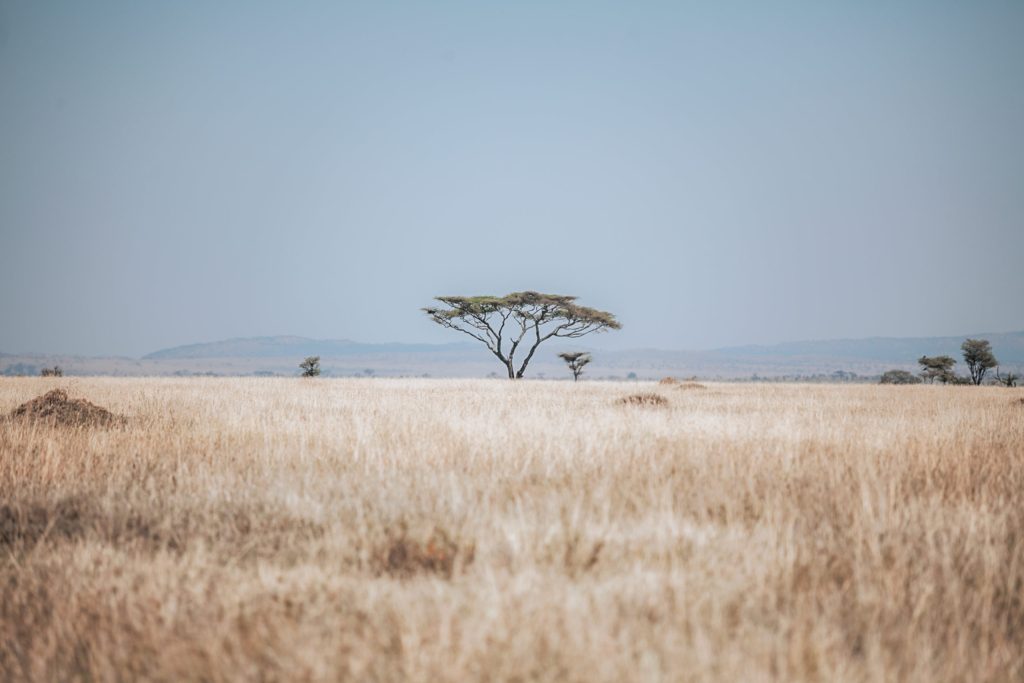
The Southern Serengeti and Ndutu area are the best places to visit during January and February, when the Great Wildebeest Migration is concentrated across the short-grass plains. This is the heart of the wildebeest calving season, when large herds gather to give birth to thousands of calves. The abundance of newborn animals attracts predators such as lions, cheetahs, hyenas, and leopards, creating excellent opportunities for dramatic wildlife encounters.
Central and Western Serengeti -March to May
The Southern Serengeti and Ndutu area are the best places to visit during January and February, when the Great Wildebeest Migration is concentrated across the short-grass plains. This is the heart of the wildebeest calving season, when large herds gather to give birth to thousands of calves. The abundance of newborn animals attracts predators such as lions, cheetahs, hyenas, and leopards, creating excellent opportunities for dramatic wildlife encounters.

Southern Serengeti -January to February
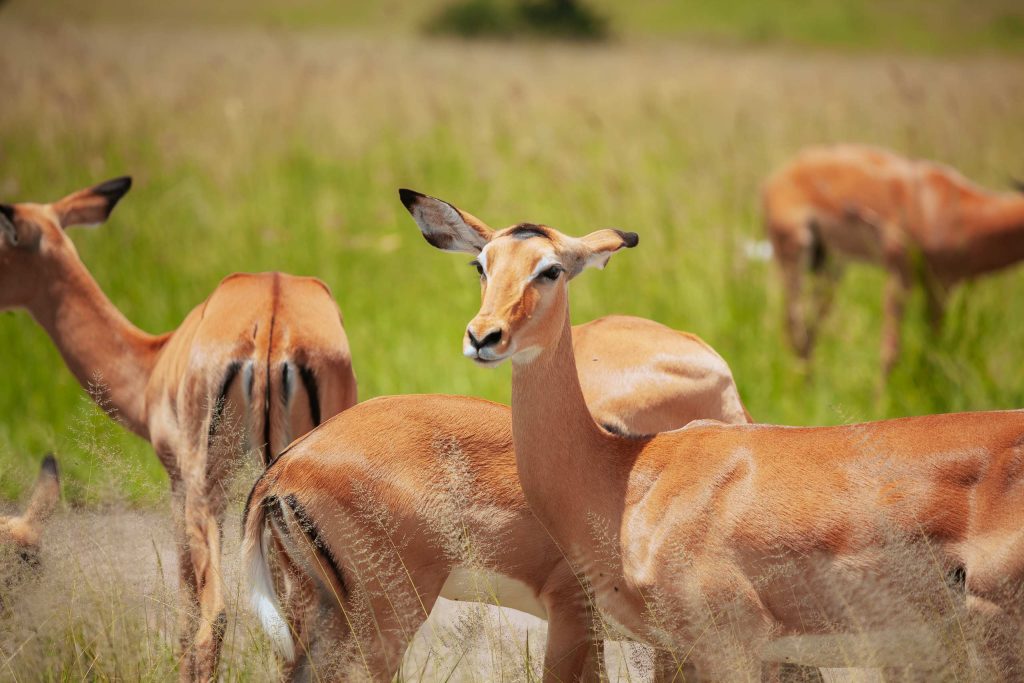
The Southern Serengeti and Ndutu area are the best places to visit during January and February, when the Great Wildebeest Migration is concentrated across the short-grass plains. This is the heart of the wildebeest calving season, when large herds gather to give birth to thousands of calves. The abundance of newborn animals attracts predators such as lions, cheetahs, hyenas, and leopards, creating excellent opportunities for dramatic wildlife encounters.
Central and Western Serengeti -March to May
The Southern Serengeti and Ndutu area are the best places to visit during January and February, when the Great Wildebeest Migration is concentrated across the short-grass plains. This is the heart of the wildebeest calving season, when large herds gather to give birth to thousands of calves. The abundance of newborn animals attracts predators such as lions, cheetahs, hyenas, and leopards, creating excellent opportunities for dramatic wildlife encounters.
Climate in Serengeti National Park
A well-planned Kilimanjaro Packing List is essential for staying comfortable, safe, and prepared throughout the trek. Conditions change as you gain elevation, so your gear should protect you from rain, strong winds, sun, cold temperatures, and freezing conditions near Uhuru Peak. Essential clothing includes waterproof hiking boots, moisture-wicking socks, thermal base layers, a fleece, a warm insulated jacket, waterproof rain gear, gloves, and a warm hat.
For higher elevations, pack a cold-weather sleeping bag, headlamp, daypack, water bottles, sunglasses, sunscreen, and trekking poles. Basic first-aid supplies, personal medication, toiletries, and high-energy snacks are also useful.
FAQ About the Best Time to Visit the Serengeti
Is Serengeti National Park Open All Year Round?
Yes, Serengeti National Park is open all year round, making it possible to enjoy a safari in every season. Wildlife can be seen throughout the year, although the scenery, animal movements, rainfall, and safari experience change from month to month. January and February are popular for wildebeest calving, while June to October is generally a good period for dry-season wildlife viewing.
How Often Does It Rain in Serengeti?
Serengeti receives rain mainly during two periods of the year: the short rains from November to December and the long rains from March to May. Rainfall can vary across the park, and showers are often followed by sunny periods. January and February are generally drier, while June to October is the main dry season.
When Is the Best Time of Year to Visit Serengeti National Park?
The best time to visit Serengeti National Park depends on what you want to see. June to October is generally excellent for wildlife viewing because of the dry weather and easier animal spotting. January and February are best for the wildebeest calving season, while April and May offer green landscapes and fewer visitors.
When Is the Best Time to See Predators in Serengeti National Park?
The best time to see predators in Serengeti National Park is generally during the dry season from June to October. With shorter grass and animals gathering around available water, predators can be easier to find. January and February are also excellent for predator sightings because large numbers of wildebeest calves attract lions, cheetahs, hyenas, and other predators.
What Is the Weather Like in Serengeti National Park?
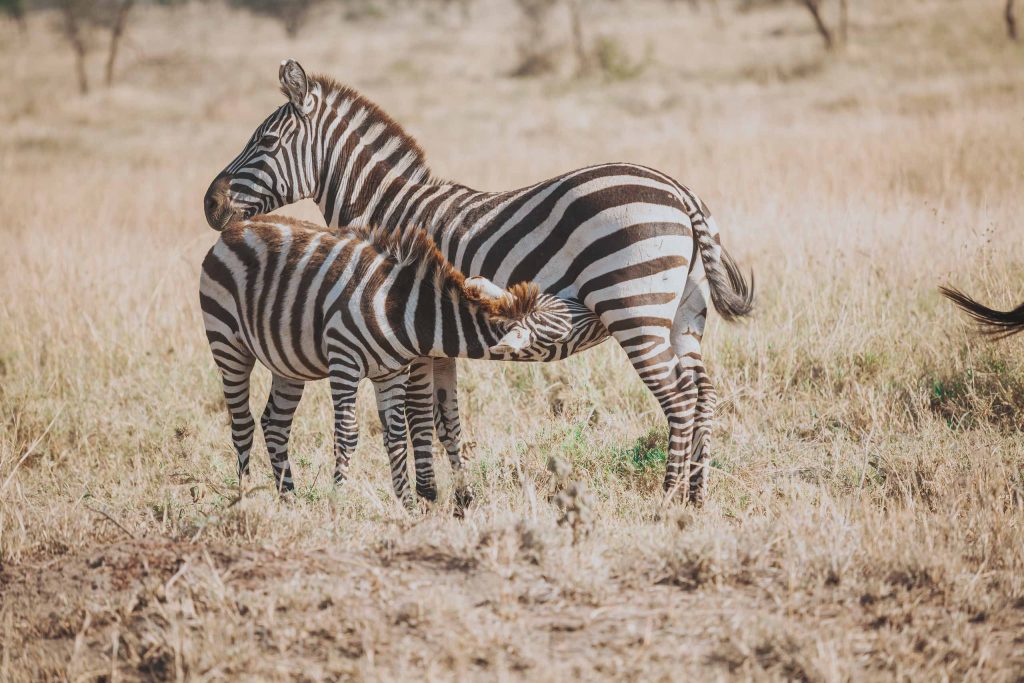
The weather in Serengeti National Park is generally warm during the day and cooler in the morning and evening. Temperatures vary depending on the season and location within the park. June to October is usually dry with clear skies, while November to December and March to May bring more rainfall and greener landscapes.
When Is the Best Time to See the Great Wildebeest Migration?
The best time to see the Great Wildebeest Migration in Serengeti National Park is generally from June to October, although the herds move throughout the year. July to September is particularly popular for the Northern Serengeti and possible Mara River crossings, while January and February are best for the calving season.
How Many Days Do You Need for a Serengeti Safari?
You generally need at least 3 to 4 days for a Serengeti safari to explore the park properly and have enough time for several game drives. A longer stay of 5 days or more gives you more time to explore different areas, follow wildlife movements, and enjoy a more relaxed safari experience.
Plan your Trip
Ready to start planning your own incredible adventure?
We make the process stress-free and enjoyable.