
Climb Mount Meru, Tanzania
Complete Guide to Climbing Mount Meru: Everything You Need to Know About
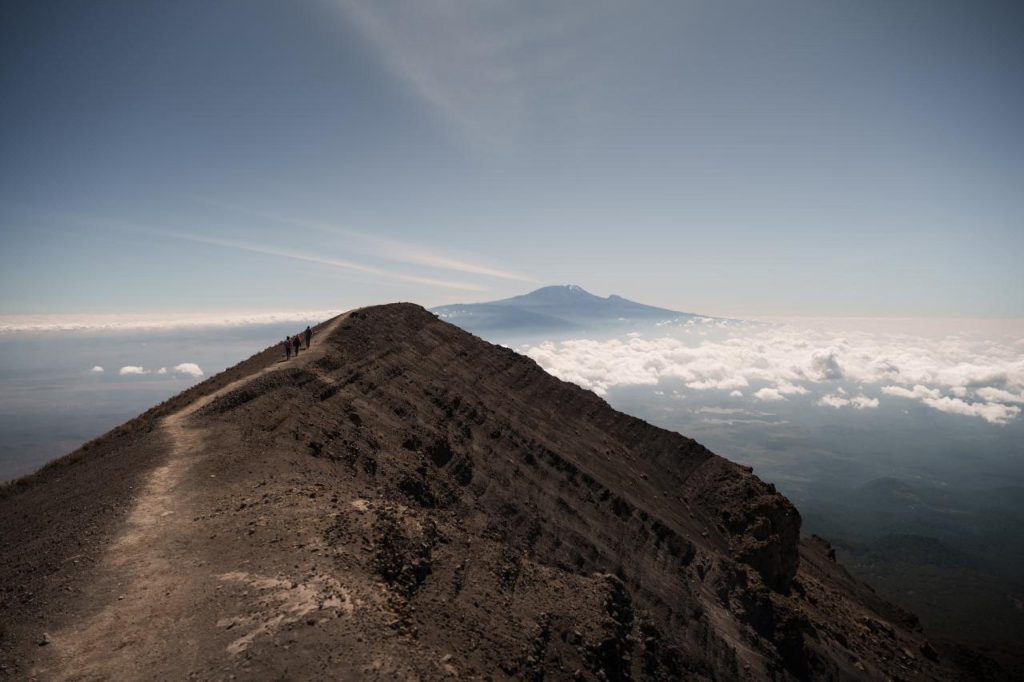
Mount Meru, standing at 4,566 meters (14,967 feet), is one of Tanzania’s most captivating peaks, offering an exciting 3-4 day trekking experience. This scenic adventure takes hikers through lush forests, heather-covered slopes, and dramatic crater landscapes, culminating in the summit at Socialist Peak. This complete guide to climbing Mount Meru explains everything you need to know before climbing Mount Meru, including routes, experience, and what to expect. As you ascend via the Momella Route, you’ll be escorted by armed park rangers for safety, ensuring a secure journey through the diverse terrain, teeming with wildlife. The trek provides stunning views of nearby Mount Kilimanjaro and the surrounding Tanzanian wilderness, making it an unforgettable experience for nature lovers and adventurers alike.
Although Mount Meru is not as technically challenging as its counterpart, Kilimanjaro, it demands good physical fitness due to its steep inclines and rugged trails. A 4-day Mount Meru trek is highly recommended, allowing ample time for acclimatization and a more comfortable pace, ensuring a successful ascent while climbing Mount Meru. Frequently used as a preparation climb for Mount Kilimanjaro, this complete guide to climbing Mount Meru highlights why it offers a unique blend of adventure, nature, and cultural immersion, making it a must-do trek for those seeking both physical challenge and spectacular vistas in Tanzania.
Why Climb Mount Meru in Tanzania?
Climbing Mount Meru offers an exciting adventure for trekkers and nature lovers. As the fourth-highest mountain in Tanzania, it provides stunning views, including a clear sight of Mount Kilimanjaro. This complete guide to climbing Mount Mount Meru highlights why, unlike the more crowded Mount Kilimanjaro, Mount Meru offers a quieter, more personal experience, making it ideal for those seeking a peaceful trekking journey. The trek is challenging but accessible for most people, making it a great way to prepare for higher altitude climbs. Along the way, trekkers pass through diverse environments, from lush rainforests to arid desert-like areas, providing a variety of landscapes. Wildlife is abundant, and climbers can spot monkeys, buffalo, and over 100 species of birds.
Mount Meru is a paradise for nature enthusiasts. It offers breathtaking landscapes, diverse plant life, and a wide variety of wildlife. Along the way, trekkers can also learn about the Meru people, who have a strong cultural connection with the mountain. Whether you’re an experienced climber or a first-time adventurer, climbing Mount Meru provides a memorable and rewarding experience, combining physical challenge, stunning views, and rich cultural insights. This complete guide to climbing Mount Mount Meru ensures you understand what makes this trek truly special.


Where is Mount Meru Located?
Mount Meru is located in Arusha National Park, in northern Tanzania, around 60 km (45–60 minutes) from Arusha and Kilimanjaro International Airport (JRO). It is easily accessible by road, making it a popular destination for trekkers and safari-goers alike. This complete guide to climbing Mount Meru explains the Mount Meru location and accessibility in detail. The main route to reach the mountain is the Momella Route, which is the only trekking route to the summit. This route requires an armed ranger for safety, as it passes through areas with wildlife, particularly in the lower forest levels.
The closest airport to Mount Meru is Kilimanjaro International Airport (JRO), located about 1–1.5 hours from the park entrance. Arusha Airport (ARK) is also an option for domestic flights. From Arusha, you can easily arrange transport with a licensed tour operator to Momella Gate, the starting point for the trek. The drive from Arusha to the gate takes approximately 45 minutes, passing through the Ngongongare Gate.
Once at Momella Gate, trekkers can begin their climb, which usually takes 3–4 days. The trek is done in stages, staying in specialized huts like Miriakamba and Saddle Huts. Mount Meru is accessible year-round, but the best time to climb is during the dry season, from June to October, when the weather is mild and the conditions are ideal for trekking.
While the Momella Route is the only trekking route, it offers a great opportunity for climbers to acclimatise to higher altitudes, especially for those planning to climb Mount Kilimanjaro afterwards. An armed ranger is mandatory for protection, ensuring the safety of climbers against wildlife in the park.
For trekkers looking for an unforgettable experience with stunning views, wildlife, and diverse ecosystems, Mount Meru is a perfect choice. With its easy access from Arusha and Kilimanjaro International Airport, along with the unique opportunity to hike through Arusha National Park, it provides a convenient and enriching adventure, as highlighted in this complete guide to climbing Mount Meru
How to Get to Mount Meru from Arusha
To get to Mount Meru, travellers start their journey from Arusha. The mountain is located inside Arusha National Park, about 25–32 kilometers (15–20 miles) from Arusha town. The drive usually takes 45 minutes to 1 hour by road, making it a key starting point in any complete guide to climbing Mount Meru.
All Mount Meru climbs begin at Momella Gate, which is the main entry point to the park and the official starting point for climbing Mount Meru. Visitors normally travel by 4×4 safari vehicle or private transfer arranged by a tour operator. Upon arrival at Momella Gate, climbers complete park registration, meet their armed ranger, and begin the hike toward the mountain.
The route to Momella Gate passes through scenic countryside and forested areas, offering views of Mount Meru and sometimes wildlife within the park. Because Mount Meru is located inside a national park, all climbers must enter through Momella Gate with an authorized guide, making it the essential starting point for reaching the mountain and an important part of any complete guide to climbing Mount Meru.
Mount Meru Tanzania Map
Mount Meru Height and Key Facts You Should Know
Mount Meru is the fourth-highest mountain in Tanzania, standing at 4,566 meters (14,980 feet) above sea level. Located in Arusha National Park in northern Tanzania, it offers trekkers breathtaking views and a memorable climbing experience, making it a highlight in any complete guide to Mount Meru. The mountain is easily accessible, being about 60 km (45–60 minutes) from Arusha and Kilimanjaro International Airport. The only route to the summit is the Momella Route, which takes climbers through various ecosystems, including lush rainforests, heathland, and alpine desert during the Mount Meru trek. The trek usually takes 3 to 4 days, with overnight stays in huts such as Miriakamba and Saddle Huts.
Mount Meru is a popular choice for trekkers looking to acclimatise for Mount Kilimanjaro. Its altitude gain and steep terrain provide an excellent opportunity to prepare for the higher altitude of Kilimanjaro, as the climb is physically demanding but not technically difficult when climbing Mount Meru. The mountain is also home to diverse wildlife, including giraffes, buffalo, and over 100 species of birds, thanks to its location in Arusha National Park. Due to the presence of wildlife, trekkers are required to be accompanied by an armed ranger, especially in the lower forest areas.
The best time to climb Mount Meru is during the dry season, from June to October and January to February, when the weather is clearer, with less rainfall and cooler temperatures, making it ideal for a Mount Meru trek. The climb can be challenging due to its altitude and varying terrain, but it is achievable for those with some trekking experience. The climate changes with elevation, from warm and humid at the base to cold, freezing temperatures at the summit, so trekkers should be prepared for a range of conditions.
With its stunning views, diverse wildlife, and the opportunity to acclimatise for a higher climb, Mount Meru is a perfect destination for trekkers seeking adventure and a unique experience in Tanzania, making it an essential part of any complete guide to Mount Meru and climbing Mount Meru.

Best Time to Climb Mount Meru.
The best time to climb Mount Meru is from June to October and January to February, as highlighted in this complete guide to climbing Mount Meru. These months offer clear skies, minimal rain, and cooler temperatures, providing ideal weather conditions for trekking in Mount Meru Tanzania. The dry season ensures a more comfortable experience and safer trails.
During June to October and January to February, the weather is mild, reducing the risk of slippery trails and offering stunning views of Mount Kilimanjaro and the surrounding landscape in Mount Meru Tanzania. These months also provide better visibility and more opportunities for wildlife sightings, as animals are more active in the cooler, drier weather.
While it’s still possible to climb Mount Meru during the rainy season (from March to May), it’s not ideal due to wet conditions that make the trail muddy and more challenging. For the best trekking experience, it is recommended to visit during the dry season. These months are perfect for trekkers looking for a safe, comfortable climb while enjoying breathtaking views and unique wildlife, making it an essential part of any complete guide to climbing Mount Meru.
How difficult is Mount Meru Climb?
Climbing Mount Meru is considered moderately difficult, but it is more achievable than some of Tanzania’s higher peaks, such as Mount Kilimanjaro, as explained in this complete guide to climbing Mount Meru. The trek is physically demanding due to its altitude gain and steep terrain, but it does not require advanced technical climbing skills. The mountain rises to 4,566 meters (14,980 feet), so altitude sickness can be a concern, but the gradual ascent along the Momella Route provides climbers with plenty of time to acclimatise during the Mount Meru hike. This makes it a great option for those preparing for Mount Kilimanjaro, as the climb allows for proper altitude adjustment.
The terrain can be challenging, particularly in the higher sections, with steep ascents through lush forests and rocky areas as you approach the summit. The Momella Route is the only trekking route to the summit, and while it is physically demanding, it does not require specialized technical climbing skills. The climb typically takes 3 to 4 days, which can be tough on the body, but climbers stay in huts like Miriakamba and Saddle Huts to rest and recover between stages during the Mount Meru hike.
Wildlife also adds to the challenge, as trekkers are required to have an armed ranger for safety, especially in the lower forest areas, due to the presence of buffalo, elephants, and other animals. The changing weather conditions can also make the trek more difficult. While the lower sections of the mountain are warm and humid, the higher elevations become much colder, with temperatures potentially dropping below freezing at the summit, making preparation essential in any complete guide to climbing Mount Meru
Mount Meru Climbing Routes Explained (Momella Route Guide)
The Momella Route is the main and only trekking route to the summit of Mount Meru, providing a beautiful and accessible climb through Arusha National Park, and is a key highlight in any complete guide to climbing Mount Meru. The trek offers a gradual ascent, ideal for acclimatization, especially for those preparing for Mount Kilimanjaro.
The route takes 3 to 4 days to complete. Climbers begin at Momella Gate and reach Miriakamba Hut (2,500 meters) on the first day. On the second day, they ascend to Saddle Hut (3,570 meters) with incredible views of Mount Kilimanjaro and the Ngorongoro Crater. The final day is the summit day, where climbers reach 4,566 meters (14,980 feet) before descending back.
The Momella Route requires an armed ranger for safety due to the presence of wildlife such as buffalo and elephants in the lower forest areas. The route is physically demanding but does not require technical climbing skills, making it suitable for trekkers with some experience, as explained in any complete guide to climbing Mount Meru.
The best time to climb is during the dry season (June to October and January to February), when the weather is ideal for trekking. The Momella Route is a fantastic way to experience Mount Meru, offering stunning landscapes, wildlife encounters, and the opportunity to acclimatize before attempting higher peaks like Mount Kilimanjaro, making it an essential part of a complete guide to climbing Mount Meru.
4-Day Mount Meru Trek Itinerary
This 4-day Mount Meru trek itinerary offers a balanced approach to climbing Tanzania’s fourth-highest peak and is an essential part of this complete guide to climbing Mount Meru. From the lush rainforests to the summit at 4,566 meters, each day of the Mount Meru trek provides a rewarding challenge, with plenty of opportunities for acclimatization and stunning views, making it a perfect 4 days Mount Meru trekking experience.
Day 1: Momella Gate to Miriakamba Hut (2,500 meters)
Start at Momella Gate, where you meet your guide and armed ranger. The first day is a gentle climb through the rainforest, with wildlife sightings like giraffes and monkeys. After a 4-5 hour hike, you’ll arrive at Miriakamba Hut for the night during your 4 days Mount Meru trekking journey.
Day 2: Miriakamba Hut to Saddle Hut (3,570 meters)
On day two, you’ll climb to Saddle Hut at 3,570 meters. This 4-5 hour Mount Meru trek gets steeper as you pass through heathland. From here, enjoy views of Mount Kilimanjaro and Ngorongoro Crater.
Day 3: Saddle Hut to Summit (4,566 meters) and Return to Saddle Hut
Start early for the summit push. The 6-8 hour climb takes you to the summit at 4,566 meters, where you’ll experience panoramic views while climbing Mount Meru. Afterwards, descend back to Saddle Hut.
Day 4: Saddle Hut to Momella Gate
The final day involves descending from Saddle Hut to Momella Gate, a 4-5 hour Mount Meru trek. On the way down, enjoy the wildlife and scenery of the lower altitudes. Afterwards, return to Arusha or your next destination, completing your 4 days Mount Meru trekking adventure as outlined in this complete guide to climbing Mount Meru.
What Wildlife Can You See on Mount Meru?
Trekkers on Mount Meru can see a wide range of wildlife in Arusha National Park, including giraffes, buffalo, monkeys, zebras, and over 100 bird species, making climbing Mount Meru a unique wildlife and trekking experience in Mount Meru Tanzania.
If you’re trekking Mount Meru, you can expect to see a wide variety of wildlife, especially in Arusha National Park, as highlighted in this complete guide to climbing Mount Meru. As you make your way through the trek, you’ll likely spot giraffes moving gracefully through the open grasslands. These tall, elegant creatures are often seen feeding on the trees. In the forested areas, buffalo roam, and while they are generally calm, it’s important to keep a safe distance due to their unpredictable nature.
The lower sections of Mount Meru are home to several species of monkeys, such as blue monkeys and colobus monkeys, commonly seen during a Mount Meru hike. These playful creatures can be seen swinging through the trees or foraging for food. In the grasslands, you may also spot warthogs, known for their distinctive tusks and scruffy appearance. Zebras are commonly found grazing, with their striking black-and-white stripes standing out against the park’s green backdrop.
Arusha National Park is also a birdwatcher’s paradise, home to over 100 species of birds. You might spot the majestic African fish eagle soaring above, or hear the calls of hornbills and turacos as you ascend. While elephants are less common, they can occasionally be seen in the lower areas of the park, especially near water sources. You’ll also find waterbucks and duikers, smaller antelope species, grazing or resting in shaded areas.
Although leopards are rare and elusive, they do inhabit the park, and some lucky trekkers may catch a brief glimpse of these big cats. Overall, the Mount Meru trek offers an unforgettable wildlife experience, making it not just a challenging climb but also an exciting wildlife adventure in Mount Meru Tanzania. Always follow your guide’s instructions and maintain a safe distance from animals for your safety and theirs.
Preparation for Climbing Mount Meru
Climbing Mount Meru requires proper preparation to ensure a safe and successful trek. Here’s a simple guide to help you get ready:
- Physical Fitness: While not overly technical, Mount Meru is a physically demanding climb. Improve your endurance with activities like hiking, walking, or running. Strengthen your legs and core to handle the steep sections.
- Acclimatization: The trek reaches 4,566 meters (14,980 feet), so altitude sickness is possible. To avoid this, spend a few days in Arusha before your climb to help your body adjust to the altitude.
- Gear: Make sure to pack the right gear:
- Warm clothes for the summit, where temperatures can drop below freezing.
- Comfortable hiking boots for rocky terrain.
- Waterproof jacket, sunscreen, and sunglasses.
- Sleeping bag for hut stays.
- Headlamp for early starts.
- Mental Preparation: The trek will be challenging, especially on summit day. Stay positive and focused to push through tough moments.
- Hire a Guide and Ranger: The Momella Route requires a guide and an armed ranger for safety. Book through a reputable tour operator to ensure everything is in place.
- Hydration and Snacks: Drink plenty of water and bring high-energy snacks, like nuts and energy bars, to keep your energy up.
By following these simple steps, you’ll be well-prepared for the Mount Meru
Where Do You Stay When Climbing Mount Meru?
Trekkers climbing Mount Meru stay in basic mountain huts along the Momella Route, mainly Miriakamba Hut (2,500 meters) and Saddle Hut (3,570 meters), with optional camping available for those seeking a more rugged Mount Meru hike experience.
Here’s an overview of the accommodation options available for trekkers on Mount Meru, as outlined in this complete guide to climbing Mount Meru. When climbing Mount Meru, trekkers typically stay in basic but comfortable huts along the Momella Route, providing essential shelter during the trek. The two main huts are Miriakamba Hut at 2,500 meters and Saddle Hut at 3,570 meters.
Miriakamba Hut is the first overnight stop. It offers bunk beds, a shared dining area, and stunning views of the surrounding landscapes, making it a great place to rest and acclimatize after the first day of trekking. On the second day, climbers head to Saddle Hut, which is closer to the summit. This hut provides similar facilities, with basic amenities and breathtaking views of Mount Kilimanjaro and Ngorongoro Crater.
For trekkers who prefer a more rugged experience, there are camping options available along the route. Camping sites offer a simple alternative for those who want to sleep under the stars during the Mount Meru hike. However, camping requires trekkers to bring their own gear, including tents and sleeping bags.
The huts are shared and provide basic but essential facilities such as communal dining areas, bedding, and toilets. There are no showers, and facilities are simple, so trekkers should be prepared for a basic but functional mountain experience.
How Much Does It Cost to Climb Mount Meru?
The cost of climbing Mount Meru in 2026 typically ranges from $700 to $1,900 per person, depending on group size, package type, and included services.
The cost of climbing Mount Meru in 2026 can vary widely depending on the length of the trek, type of package, group size, and what’s included, but overall, it remains more affordable than many major mountain expeditions, as outlined in this complete guide to climbing Mount Meru. Most standard climb packages, which include park fees, professional guides, porters, hut accommodation, meals, and transport, fall within a broad range for those climbing Mount Meru in Mount Meru Tanzania. On average, prices for a 3- to 4-day climb are roughly USD $700 to $1,900 per person.
For more budget-focused options, many operators list climbs starting around $700–$900, especially for shared group tours or shorter itineraries while climbing Mount Meru. Mid-range packages, which typically cover all basic services and comfortable hut stays, often range between $900 and $1,200+ per climber. Luxury or fully private climbs with extra services, private transport, and enhanced meals can cost $1,200 to $1,900 or more.
Entry and park fees themselves, including the Arusha National Park permit, hut fees, mandatory armed ranger escort, and rescue fees, make up a significant portion of the cost, and are usually included in guided packages for climbing Mount Meru in Mount Meru Tanzania.
Some operators also offer shorter or longer options, such as 1-day and 2-day climbs, with prices starting lower, but most climbers prefer the standard 3- to 4-day itinerary to allow for proper acclimatization and the best experience when climbing Mount Meru.
In summary, you can expect a typical Mount Meru climb in 2026 to cost roughly $700 to $1,900 per person, with exact pricing depending on group size, inclusions, and service level, making it a valuable option highlighted in this complete guide to climbing Mount Meru and for those planning climbing Mount Meru in Mount Meru Tanzania.
Packing List for Mount Meru Trek
A Mount Meru packing list must include layered clothing, waterproof hiking boots, a -10°C sleeping bag, and essential trekking gear for extreme weather changes from hot rainforest to freezing summit conditions on Mount Meru. Pack moisture-wicking base layers (no cotton), a fleece or mid-layer, an insulated down jacket, and a waterproof, windproof outer shell. Wear strong, broken-in hiking boots, warm socks, gloves, and a beanie for cold mornings and summit night. Carry a 30–40L daypack for daily essentials and a 70–100L duffel bag for porters.
Bring at least 2–3 liters of water, a headlamp for early summit climbs, and trekking poles for stability on steep terrain. Use waterproof bags to keep gear dry during rain. Include sunscreen, lip balm, sunglasses, wet wipes, hand sanitizer, and a small first aid kit with altitude medicine and blister care. Add high-energy snacks, a power bank, and earplugs for comfort in huts. Avoid cotton because it holds moisture and causes cold. Keep important items like medication, valuables, and spare clothes in your hand luggage to stay safe, comfortable, and well-prepared throughout your Mount Meru trek.
Mount Meru Safety Tips: How to Stay Safe on the Climb
Climbing Mount Meru is safe when you use licensed guides, hike slowly to adjust to altitude, stay hydrated, and carry proper gear for changing weather. The trail passes through Arusha National Park, where conditions can be wet, steep, and unpredictable, so preparation and awareness are essential.
Essential Safety Tips for Mount Meru
- Use Licensed Guides: A licensed guide is required for all climbs. Guides ensure safe navigation, manage risks, and handle rare wildlife encounters. An armed ranger usually joins the group for protection.
- Acclimatize Properly: Walk slowly and take breaks to adjust to altitude. Watch for symptoms like headache, dizziness, or nausea, and report them immediately.
- Stay Hydrated and Eat Well: Drink 3–4 liters of water daily and eat enough food to maintain energy, even if you feel tired.
- Pack Waterproof and Warm Gear: Weather changes quickly. Bring a waterproof jacket, pants, and strong hiking boots, plus layered clothing for both rain and cold conditions.
- Follow Safety Procedures: Ensure your team carries a medical kit and emergency oxygen. Daily health checks help prevent serious problems.
- Respect Wildlife and Park Rules: Stay on marked trails, keep a safe distance from animals, and always follow your guide’s instructions.
- Be Careful on Summit Day: The final climb is steep and narrow along the crater rim. Walk carefully, stay focused, and use trekking poles for better balance.
Mount Meru Summit Experience
The Mount Meru summit experience is a challenging but rewarding climb that includes a cold midnight start, steep trails, thin air, and one of the best sunrise views in Tanzania. The final ascent on Mount Meru usually begins around midnight, where climbers walk in darkness using headlamps along a narrow crater rim. The air becomes thinner as you go higher, making it harder to breathe, and each step feels slow and tiring. Temperatures can drop below freezing, and the climb requires focus, balance, and strong determination.
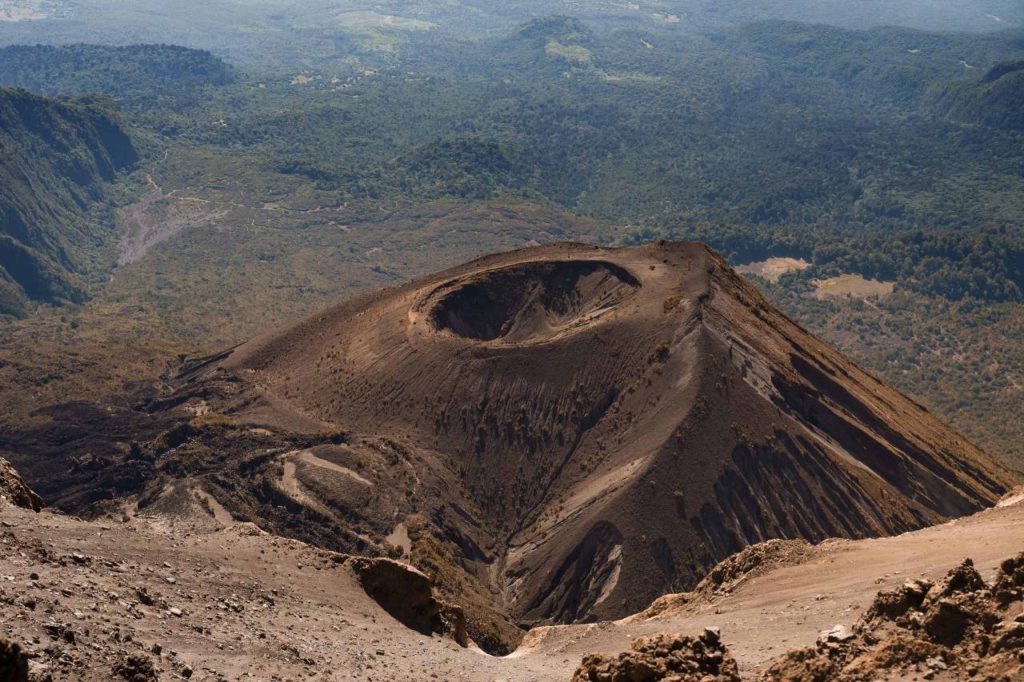
As you get closer to Socialist Peak, the sky slowly changes color, and the sunrise begins. This is the most special moment of the climb. You will see golden light above the clouds and a clear, beautiful view of Mount Kilimanjaro in the distance. From the summit, you can also see the crater, ash cone, and wide landscapes below.
The Mount Meru summit feels both physically hard and emotionally powerful. You may feel tired, cold, and out of breath, but reaching the top brings a deep sense of achievement and happiness. Many climbers describe it as peaceful, unforgettable, and one of the best moments of their Tanzania trekking experience.
Combining Mount Meru Climb with a Tanzania Safari
Combining a Mount Meru climb with a Tanzania safari is one of the best ways to experience trekking and wildlife in one complete trip. This itinerary lets you climb Mount Meru and then explore top safari destinations like Serengeti National Park and Ngorongoro Crater, giving you a full Tanzania adventure in a short time.
Mount Meru is also one of the best preparation climbs before Mount Kilimanjaro, helping your body adjust to altitude while enjoying scenic views and wildlife inside Arusha National Park. The trek takes about 3–4 days and is less crowded than Kilimanjaro, making it more peaceful and enjoyable. You may see giraffes, buffalo, monkeys, and beautiful landscapes along the way.
After the climb, the safari part of the trip feels more relaxed and comfortable. You will travel in a 4×4 safari vehicle with a professional guide, going on game drives to see animals like lions, elephants, zebras, wildebeest, and many bird species. This transition from trekking to safari creates a perfect balance between physical adventure and relaxation.
A typical itinerary includes 3–4 days for the Mount Meru climb and 3–5 days for a Tanzania safari in the Northern Circuit. This makes it ideal for travelers who want both hiking and wildlife without taking a long holiday. You get mountain trekking, close wildlife encounters, and stunning landscapes all in one journey.
Why Combine Mount Meru Climb with a Tanzania Safari
- Combines trekking and wildlife in one trip
- Helps with altitude acclimatization before Kilimanjaro
- Offers both adventure and relaxation
- Covers top destinations in Northern Tanzania
- Creates a complete and memorable Tanzania experience
Best Time to Combine Mount Meru and Safari
The best time is during the dry seasons from June to October and January to February. These months offer clear views for trekking and excellent wildlife viewing during safari. However, this combination can be done all year round, depending on your travel plan.
Sample 7-Day Itinerary
- Day 1: Arrival in Arusha
- Day 2–4: Mount Meru climb
- Day 5: Transfer to safari (Tarangire or Lake Manyara)
- Day 6: Serengeti or Ngorongoro safari
- Day 7: Return to Arusha
Book Your Mount Meru & Safari Experience
This combination is perfect for travelers who want more than just a safari or a climb. It offers adventure, wildlife, scenic beauty, and a deeper connection with nature in one well-planned trip.
Book your Mount Meru climb and Tanzania safari with Ngorongoro Expedition & Tours for a smooth, guided experience with expert support and unforgettable memories.
Plan your Trip
Ready to start planning your own incredible adventure?
We make the process stress-free and enjoyable.