
Complete Guide to Ndutu
Discover the best time to visit Ndutu for the calving season, the wildlife you can see, and how to plan a successful Great Wildebeest Migration safari in Tanzania.
Ndutu, Tanzania, is a prime wildlife and safari destination in northern Tanzania, located mainly within the Ngorongoro Conservation Area and extending into the southern Serengeti ecosystem. It is one of the best places to see the Great Wildebeest Migration, especially from January to March, when large herds of wildebeest and zebras gather on the short-grass plains. The main calving season usually occurs between January and February, when thousands of wildebeest calves are born, attracting predators such as lions, cheetahs, hyenas, and jackals.
Ndutu is also known for its open grasslands, acacia woodlands, seasonal lakes, wetlands, and rocky kopjes, which provide habitats for many wildlife and bird species. These landscapes make it an excellent destination for game drives, bird watching, and wildlife photography.
The best time to visit Ndutu depends on your interests, but January to March is ideal for experiencing the calving season. This complete guide to Ndutu explains where it is located, when to visit, what wildlife to see, where to stay, and how to plan a safari in Tanzania.
Where Is Ndutu Located in Tanzania
Ndutu is located in northern Tanzania, within the southern Serengeti ecosystem, near the boundary between the Ngorongoro Conservation Area and Serengeti National Park. It lies near Lake Ndutu and Lake Masek, surrounded by open grasslands, seasonal lakes, and wildlife-rich plains. Its location makes Ndutu an important destination for travellers exploring Tanzania’s northern safari circuit.
Ndutu is approximately a six-hour drive from Arusha, depending on the route and road conditions. Visitors can also reach the area by safari flight to Ndutu Airstrip, subject to available services. From Ndutu, travelers can plan safari itineraries that include the southern Serengeti and Ngorongoro Crater, combining different landscapes and wildlife experiences in northern Tanzania.
Ndutu is mainly famous for the Great Wildebeest Migration and its annual calving season, which usually runs from January to March, with peak calving in February. During this period, large herds of wildebeest gather on the short-grass plains, attracting predators such as lions, cheetahs, and hyenas. This combination of location, accessibility, and seasonal wildlife makes Ndutu one of Tanzania’s notable safari destinations.
What Is Ndutu Famous For?
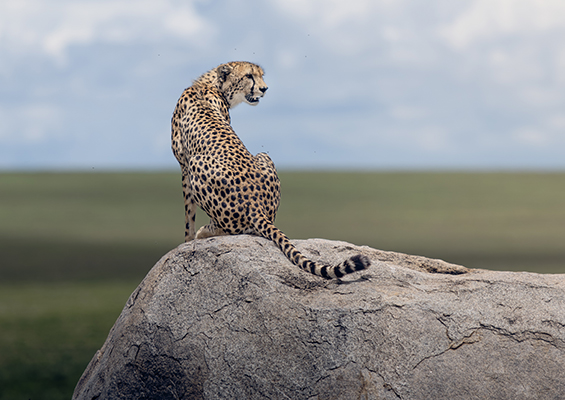
Ndutu is famous for the Great Wildebeest Migration, its annual calving season, and excellent big cat sightings. From January to March, large herds of wildebeest gather on the short-grass plains to give birth, attracting lions, cheetahs, leopards, and hyenas. This seasonal wildlife activity makes Ndutu a popular destination for game drives, wildlife photography, and studying predator-prey interactions.
- Wildebeest Calving Season: From January to March, large herds gather on Ndutu’s short-grass plains, with peak calving usually occurring in February. This seasonal event attracts visitors hoping to witness the birth of wildebeest calves.
- Big Cat Viewing: Ndutu offers opportunities to spot lions, cheetahs, and leopards, as well as hyenas. The abundance of prey during the calving season creates opportunities to observe predator behavior and hunting strategies.
- Wildlife Photography: The open plains provide excellent settings for photographing cheetahs, lions, wildebeest calves, and predator-prey interactions. The varied scenery also appeals to professional and amateur wildlife photographers..
- Lakes and Birdlife: Lake Ndutu and Lake Masek attract wildlife and a variety of birds, including flamingos, when conditions are suitable. These lakes also add scenic diversity to the area.
- Distinctive Landscapes: Ndutu features open grasslands, acacia woodlands, seasonal marshes, and rocky kopjes. These habitats support diverse wildlife and create excellent opportunities for game drives and nature photography.
When Is the Best Time to Visit Ndutu?
The best time to visit Ndutu is from January to March, during the Great Wildebeest Migration’s calving season. During these months, large herds of wildebeest gather on the short-grass plains to give birth, attracting predators such as lions, cheetahs, and hyenas. This period offers excellent opportunities for wildlife viewing, photography, and observing natural predator-prey interactions.
February is often a highlight of the Ndutu calving season, although the exact timing depends on rainfall and grass availability. The green grasslands and open plains also provide beautiful scenery for game drives and wildlife photography. Visitors may see newborn wildebeest calves taking their first steps while predators search the plains for food.
For travellers planning a Ndutu safari in Tanzania, January to March generally offers the best chance to witness newborn wildebeest, large migrating herds, and increased predator activity. Booking accommodation and safari arrangements in advance is recommended, especially during the peak calving season, when demand for popular camps and lodges can be high.
Ndutu Calving Season in Southern Serengeti
The Ndutu calving season takes place annually from January to March, with February being the peak month. Located in the Southern Serengeti ecosystem and Ngorongoro Conservation Area in northern Tanzania, Ndutu’s short-grass plains provide important grazing grounds for wildebeest during this period. Around 500,000 wildebeest calves are born throughout the calving season, with up to 8,000 births reported per day at the peak.
Newborn calves can stand within minutes of birth and begin running shortly afterward, helping them keep up with the herd. The nutrient-rich grass growing on the volcanic soils supports grazing wildebeest and nursing mothers. Meanwhile, the high concentration of newborn calves attracts predators, including lions, cheetahs, leopards, and hyenas, creating exceptional wildlife-viewing opportunities. Alongside approximately 1.5 million wildebeest, hundreds of thousands of zebras and gazelles move through the wider Serengeti ecosystem, making the Ndutu calving season an excellent time for wildlife photography and witnessing the Great Wildebeest Migration.


How Many Days Do You Need for Ndutu Safari
Ndutu is a specific wildlife area in the southern Serengeti ecosystem, while the Serengeti refers to a much larger protected area and ecosystem in northern Tanzania. Ndutu is best known for the Great Migration calving season, when large herds of wildebeest gather on the southern plains, usually from January to March.
Serengeti National Park covers a much larger area and offers year-round safari opportunities across different regions, including the central, western, northern, and southern parts of the park. Visitors can see wildebeest, zebras, giraffes, elephants, lions, cheetahs, leopards, and many other species.
The main difference is therefore size, location, and the type of wildlife experience. Ndutu Tanzania is particularly important during the calving season, when thousands of wildebeest give birth and predators are often active around the herds. The wider Serengeti offers a broader safari experience, with different wildlife movements and landscapes depending on the season and area you visit.
It is also important to understand that Ndutu is not a separate national park. The Ndutu area lies within the wider Serengeti ecosystem and is associated with both the southern Serengeti and the Ngorongoro Conservation Area, depending on the specific location. This is why travelers may see Ndutu described in relation to both the Serengeti and Ngorongoro.
Ndutu Accommodation
Ndutu accommodation ranges from luxury safari lodges and high-end tented camps to mid-range and budget-friendly options, making it suitable for a range of budgets and travel styles. Most camps are located near the Ndutu plains, Lake Ndutu, and Lake Masek, offering convenient access to wildlife viewing and game drives. Seasonal tented camps provide a close-to-nature safari experience, while permanent lodges offer comfortable facilities for travellers seeking a relaxing stay during their Tanzania safari.
The best time to book Ndutu accommodation is from January to March, during the Great Wildebeest Migration calving season. During this period, large herds of wildebeest and zebras gather on the plains, attracting predators such as lions, cheetahs, and hyenas. February is usually the peak of the calving season, making it a popular time for wildlife photography and game drives. To choose the right camp, consider its location, comfort level, facilities, and access to key wildlife areas. Booking early is recommended, especially if you plan to visit during February.
How to Get to Ndutu
Ndutu is located in northern Tanzania, within the southern Serengeti ecosystem, near the Ngorongoro Conservation Area and Serengeti National Park. The best way to get to Ndutu is by road from Arusha, which takes approximately 5–7 hours, or by flying to Ndutu Airstrip. The best option depends on your safari itinerary, budget, and travel time.
By Air
From Arusha, the drive to Ndutu covers approximately 260–275 kilometers and takes around 6–7 hours in a 4×4 safari vehicle. The route usually passes through Karatu and the Ngorongoro Conservation Area. From Kilimanjaro International Airport (JRO), the journey takes about 6.5 hours, covering roughly 300 kilometers.If you are already exploring the Ngorongoro Crater or Central Serengeti, you can continue to Ndutu by safari vehicle.
By Road
From Arusha, the drive to Ndutu covers approximately 260–275 kilometers and takes around 6–7 hours in a 4×4 safari vehicle. The route usually passes through Karatu and the Ngorongoro Conservation Area. From Kilimanjaro International Airport (JRO), the journey takes about 6.5 hours, covering roughly 300 kilometers.If you are already exploring the Ngorongoro Crater or Central Serengeti, you can continue to Ndutu by safari vehicle.
Things to do in Ndutu
The best things to do in Ndutu, Tanzania, include wildlife game drives, witnessing the Great Wildebeest Migration calving season, bird watching, photography, and exploring Maasai culture and nearby historical sites. January to March is the best time to visit for calving season and predator sightings.
- Witness the Great Wildebeest Migration
From January to March, large herds of wildebeest gather on Nqutu’s plains to give birth, with February usually the peak month. Visitors can see newborn calves and predators such as lions, cheetahs, and hyenas.
- Enjoy Wildlife Game Drives
Game drives offer opportunities to spot lions, leopards, cheetahs, elephants, and other wildlife across Nqutu’s open plains. The area is especially rewarding for wildlife photography during calving season.
- Experience a Hot Air Balloon Safari
A sunrise balloon safari offers aerial views of Ndutu’s plains, lakes, and wildlife, providing a memorable perspective of the landscape.
- Explore Olduvai Gorge
Visit Olduvai Gorge and its museum to learn about early human evolution and important archaeological discoveries in the Ngorongoro Conservation Area.
- Experience Maasai Culture
A guided cultural visit introduces visitors to Maasai traditions, daily life, and how local communities relate to wildlife conservation.
- Discover Nature through Guided Walks
Explore the landscape on foot with a guide to learn about local plants, animal tracks, and the Ndutu ecosystem.
Wildlife in Ndutu?
Ndutu is home to a wide variety of wildlife, including wildebeest, zebras, gazelles, lions, cheetahs, hyenas, and many other animals. The area is particularly well known for the large herds that gather during the Great Migration and calving season, when fresh grass attracts thousands of herbivores to the open plains. This seasonal concentration of wildlife makes Ndutu an important destination for travellers who want to experience Tanzania’s wildlife in its natural environment.
Wildebeest are among the most commonly seen animals in Ndutu, especially from January to March. Large herds gather across the short-grass plains, while newborn calves can often be seen following their mothers. Zebras and gazelles also move through the area, adding to the large concentrations of grazing animals. The open landscape provides good opportunities to observe these herds during game drives


Frequently Asked Questions
Can You See River Crossings in Ndutu?
Ndutu is not known for the famous Mara River crossings of the Great Migration. Those crossings mainly take place in the northern Serengeti and Masai Mara, usually between July and October. Ndutu is better known for the calving season, when large herds of wildebeest gather on the southern plains.
Is Ndutu Crowded During the Calving Season?
Ndutu can be busy during the peak calving months, especially in February, when many travelers visit to see newborn wildebeest and predators. However, the area is spread across large open plains, and visitor numbers can vary depending on the location and time of day. Choosing less busy game-drive areas and traveling outside peak periods can provide a quieter experience.
Is Ndutu Worth Visiting Outside the Calving Season?
Yes. Although January to March is the most famous period, Ndutu can still offer good wildlife viewing at other times of the year. Wildlife movements change with rainfall, grazing conditions, and the migration cycle, so different months can provide different safari experiences.
How Many Days Should You Spend in Ndutu?
For most travelers, two to three days in Ndutu provides enough time for several game drives and a better chance of seeing a variety of wildlife. Longer stays can be useful during the calving season because wildlife movements and sightings can change from day to day.
Which Animals Can You See in Ndutu?
Ndutu is home to wildebeest, zebras, gazelles, lions, cheetahs, spotted hyenas, giraffes, elephants, jackals, ostriches, and many bird species. Wildlife varies by season and location, but the area is especially known for large concentrations of wildebeest during the migration and calving season.
What Is the Best Time of Day for Wildlife Viewing in Ndutu?
Early morning and late afternoon are generally good times for wildlife viewing. Animals are often more active during the cooler hours, while the softer morning and afternoon light can also be ideal for photography. Game drives during the middle of the day can still produce sightings, especially around areas where animals gather.
What Types of Accommodation Are Available in Ndutu?
Accommodation in Ndutu mainly includes seasonal mobile camps, permanent tented camps, and safari lodges in the surrounding area. Many camps are positioned close to wildlife areas and are designed to provide easy access to game drives. Availability can depend on the season, so booking ahead is recommended during the calving period.
What Role Does Ndutu Play in the Great Migration?
Ndutu is an important part of the southern section of the Great Migration cycle. Large herds of wildebeest move into the area during the wet season, when fresh grass provides good grazing conditions. The area is particularly important from January to March, when wildebeest give birth to thousands of calves.
What Are the Best Activities to Experience in Ndutu?
The main activity is wildlife game driving, especially during the calving season. Visitors can also enjoy wildlife photography, bird watching, and nature viewing. Walking activities may be available in some areas with approved guides and under the relevant conservation rules.
What Makes the Ndutu Plains a Unique Safari Destination?
The Ndutu Plains are unique because they combine open grasslands, seasonal lakes, large wildlife concentrations, and the annual wildebeest calving season. The presence of newborn animals also attracts predators such as lions, cheetahs, and hyenas, creating opportunities to observe a wide range of wildlife in the same area. The combination of migration, calving, predators, and open landscapes makes Ndutu an important safari destination in northern Tanzania.
Plan your Trip
Ready to start planning your own incredible adventure?
We make the process stress-free and enjoyable.