
Complete Guide to Ngorongoro Crater (Safari, Wildlife & Travel Tips 2026)
The Complete Guide to Ngorongoro Crater in 2026
The complete guide to Ngorongoro Crater will help every traveller plan an unforgettable safari in one of Africa’s most extraordinary wildlife destinations. Nestled in northern Tanzania, the Ngorongoro Conservation Area is a natural wonder and UNESCO World Heritage Site, renowned for its exceptionally high animal density and breathtaking landscapes.This complete guide to Ngorongoro Crater provides essential insights for first-time and returning visitors alike.
Spanning 260 km² (100 mi²), the crater is home to around 25,000 large mammals, including the legendary Big Five, elephants, lions, leopards, rhinos, and Cape buffalo. Visitors can also encounter zebras, hippos, warthogs, antelopes, wildebeests, and rare predators such as servals. With wildlife appearing every 10–15 minutes on safari drives, the crater offers an up-close and intimate encounter with Africa’s iconic fauna, making it a dream destination for nature lovers, photographers, and adventure seekers.
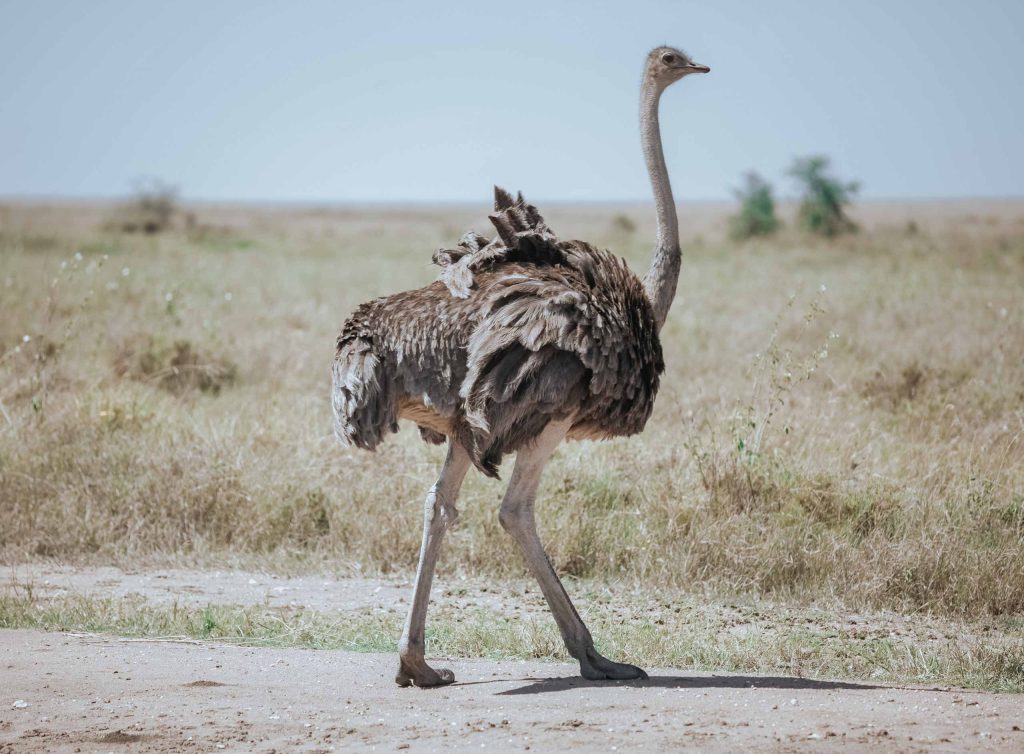
Ngorongoro is also a birdwatcher’s paradise, with more than 600 bird species, from vibrant flamingos and sunbirds to majestic raptors. Its mix of fertile grasslands, crater walls, lakes, and seasonal wetlands creates a diverse ecosystem where both wildlife and birds thrive in harmony.
Every visit to Ngorongoro Crater offers something extraordinary: watching a pride of lions in action, observing towering elephants roam freely, or tracing the patterns of migratory birds across the crater floor. This living, breathing sanctuary provides an unparalleled window into Africa’s natural heritage, showcasing the delicate balance of life in one of the continent’s most iconic landscapes. Whether you are planning your first safari or returning for another adventure, this complete guide to Ngorongoro Crater ensures you make the most of your journey.
Where is Ngorongoro Crater located?
The Ngorongoro Conservation Area is located in northern Tanzania and forms a central part of the famous northern safari circuit. Positioned within the Great Rift Valley, the area is known not only for its wildlife but also for its impressive landscapes, highland forests, and wide open plains. Its geographical location makes it one of the most important and easily connected safari destinations in East Africa.
Ngorongoro lies between some of Tanzania’s most famous national parks. To the west is Serengeti National Park, renowned for its vast plains and the Great Migration. To the south is Lake Manyara National Park, known for its tree-climbing lions and scenic lake views. This position allows travelers to explore multiple parks in one smooth, well-organized itinerary without long or complicated transfers, as highlighted in this complete guide to Ngorongoro Crater.
The nearest major city is Arusha, Tanzania’s main tourism gateway. Arusha is about 190 km (118 miles) from Ngorongoro, and the road journey takes about 4 hours. Along the way, visitors enjoy views of rural villages, farmland, and the Tanzanian highlands.
Most international visitors arrive through Kilimanjaro International Airport (JRO), located about 250 km (155 miles) away. From the airport, travellers continue by private safari vehicle or organized transfer directly to the conservation area.
Because of its central location and accessibility, Ngorongoro is often combined with nearby destinations such as Tarangire National Park, making it a key highlight of any northern Tanzania safari.
Why Visit Ngorongoro Crater?
Ngorongoro Crater is one of the best safari destinations in Africa. It offers exceptional Big Five viewing, including lions, elephants, rhinos, leopards, and buffalo, all within a relatively compact area. Because of its unique natural formation and permanent water sources, wildlife remains in the crater year-round, providing visitors a high chance of seeing a wide variety of animals during a single game drive,as explained in this complete guide to Ngorongoro Crater.
Ngorongoro is a UNESCO World Heritage Site known for its natural beauty and ecological importance. The crater’s steep walls, wide grasslands, and bright soda lakes make for stunning and varied scenery.
In addition to wildlife, visitors can experience authentic cultural encounters with the Maasai people, gaining insight into their traditions, pastoral lifestyle, and strong connection to this remarkable environment.
Ngorongoro Crater Weather & Climate
The weather in the Ngorongoro Crater is influenced by its high altitude. The complete guide to Ngorongoro Crater explains that temperatures are generally cooler than in other safari areas, and the crater experiences distinct wet and dry seasons.
During the day, the crater floor usually reaches 19°C (66°F) in the dry season and 23°C (73°F) in the wet season. Early mornings and evenings can be cold, dropping to 5–10°C (41–50°F), especially on the crater rim and surrounding highlands. The crater floor is often windy, so wear warm clothes and a hat for early morning and evening safaris, as recommended in this complete guide to Ngorongoro Crater.
The crater experiences two dry seasons (June–October and January–February) and two rainy seasons (short rains in November–December and long rains in March–May). The dry seasons are the best time to see wildlife, as animals gather near water sources and the skies are clear. During the rainy seasons, short, sharp showers make the landscape green and vibrant, creating excellent opportunities for photography and bird watching. Some roads may be muddy during the long rains, but safaris are still possible with flexible planning.
Visitors will notice a big difference between the crater floor and the highlands. The rim and surrounding areas can be misty and chilly, especially early in the morning and at night. Packing layers of warm clothing is important, particularly if you stay in lodges on the crater rim. Overall, the climate makes Ngorongoro Crater a year-round destination for wildlife experiences, with each season offering its own unique charm, as outlined in this complete guide to Ngorongoro Crater.
Best Time to Visit Ngorongoro Crater
| Jan | Feb | Mar | Apr | May | Jun | Jul | Aug | Sep | Oct | Nov | Dec |
How to Get to Ngorongoro Crater
The best way to get to Ngorongoro Crater depends on your travel style, budget, and itinerary, with both road and air options offering convenient access to this world-famous safari destination.This complete guide to Ngorongoro Crater will help you choose the best option for your journey.
By Road from Arusha
Traveling by road is the most popular and practical option, especially for guided safari tours. The journey takes approximately 3.5 to 4.5 hours, depending on road conditions and stops along the way. The drive itself is part of the adventure, offering a scenic route through the breathtaking Great Rift Valley, with sweeping landscapes, local villages, and wildlife sightings en route. Most safari operators arrange comfortable 4×4 vehicles, making this option ideal for travelers who want a seamless and immersive safari experience.
By Air
For those short on time, flying is a faster alternative. Travelers can take a domestic flight to Lake Manyara Airstrip, followed by a short transfer to the crater rim. This option reduces travel time significantly and offers stunning aerial views of northern Tanzania’s landscapes, making it a convenient and scenic way to begin your Ngorongoro adventure
Wildlife in Ngorongoro Crater
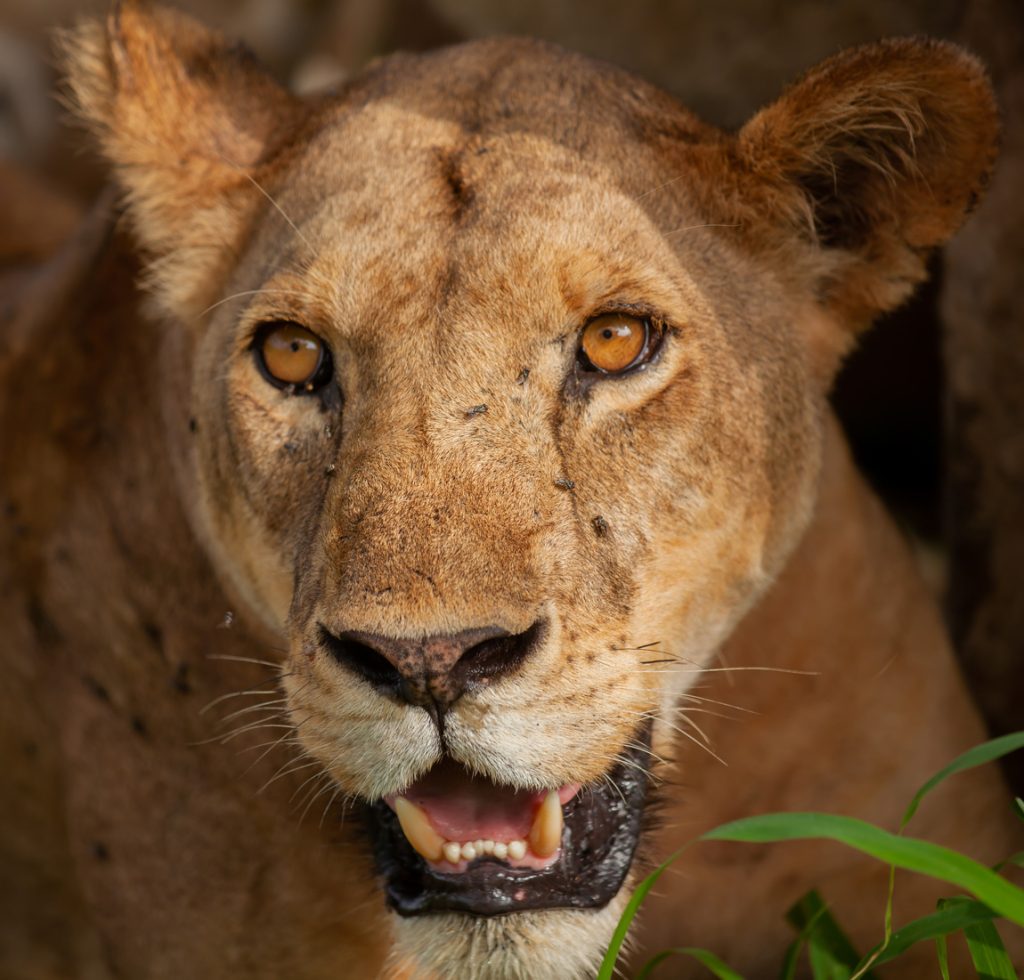
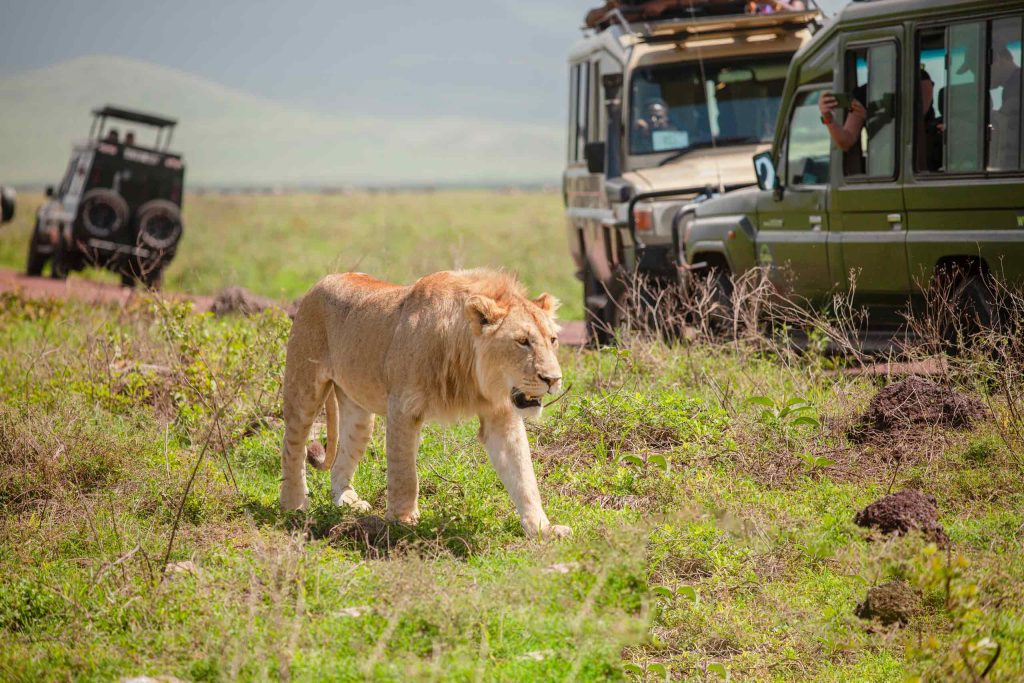
Ngorongoro is internationally recognized for its strong and stable lion population. Several resident prides live permanently within the crater, benefiting from abundant prey and limited competition from outside predators. Lions are frequently seen resting along the roadside, basking in the sun, or watching herds of zebras and wildebeest. The open landscape makes sightings relatively easy, and lucky visitors may witness hunts or pride interactions, including playful cubs and protective lionesses.
The crater is particularly famous for its large tusked bull elephants. These mature males roam independently through forested areas and grasslands, feeding on vegetation and moving calmly across the landscape. The nutrient-rich environment supports their growth, and sightings often provide excellent close-up photographic opportunities.
Buffalo are among the most commonly seen animals in the crater. Large herds graze peacefully across the plains, but they remain alert and protective. Their cooperative behavior helps defend against predators, and dramatic standoffs between buffalo and lions are sometimes observed.
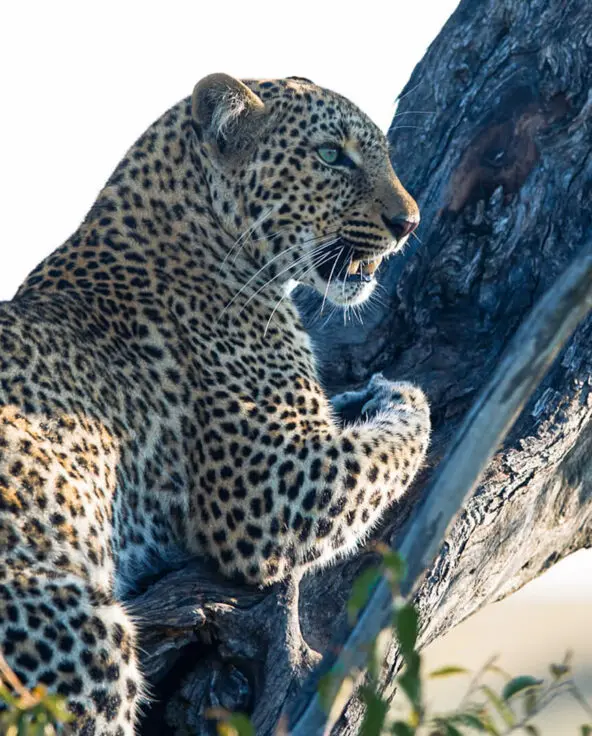
Leopards inhabit the wooded regions and forest edges of the crater. Though elusive and primarily active during early morning or late afternoon, they are occasionally spotted resting in trees or moving silently through dense vegetation. Their solitary and secretive nature makes each sighting especially rewarding.
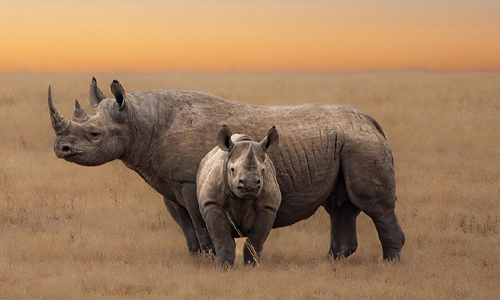
Ngorongoro Crater is one of the few places in Tanzania where the endangered black rhino can still be seen in the wild. Although sightings are rare and often distant, the presence of this critically endangered species underscores the crater’s conservation importance.


Other Animals in Ngorongoro Crater
Other Animals in Ngorongoro Crater
Zebras are abundant and form large grazing groups across the crater floor. Their striking black-and-white stripes create stunning visual scenes against the golden savannah. They often graze alongside wildebeest, benefiting from shared vigilance against predators.
Resident wildebeest populations remain inside the crater year-round. These hardy animals are a key part of the ecosystem, maintaining grass levels through grazing and serving as a primary food source for predators.
Hippos are commonly found in freshwater pools such as Ngoitokitok Springs. During the day, they remain submerged to regulate body temperature, while at night they leave the water to graze on surrounding grasses.
Spotted hyenas are highly active within the crater and are often seen patrolling territories or competing with lions over carcasses. Intelligent and organized, they are both skilled hunters and efficient scavengers.
Jackals move swiftly across the plains, hunting small mammals, birds, and insects. Their keen senses and adaptability enable them to survive in a wide range of habitats within the crater.
Seasonal soda lakes attract beautiful flocks of flamingos when water conditions are suitable. Their pink plumage adds vibrant color to the landscape and enhances the scenic beauty of Ngorongoro


Animals not found in the Ngorongoro Crater
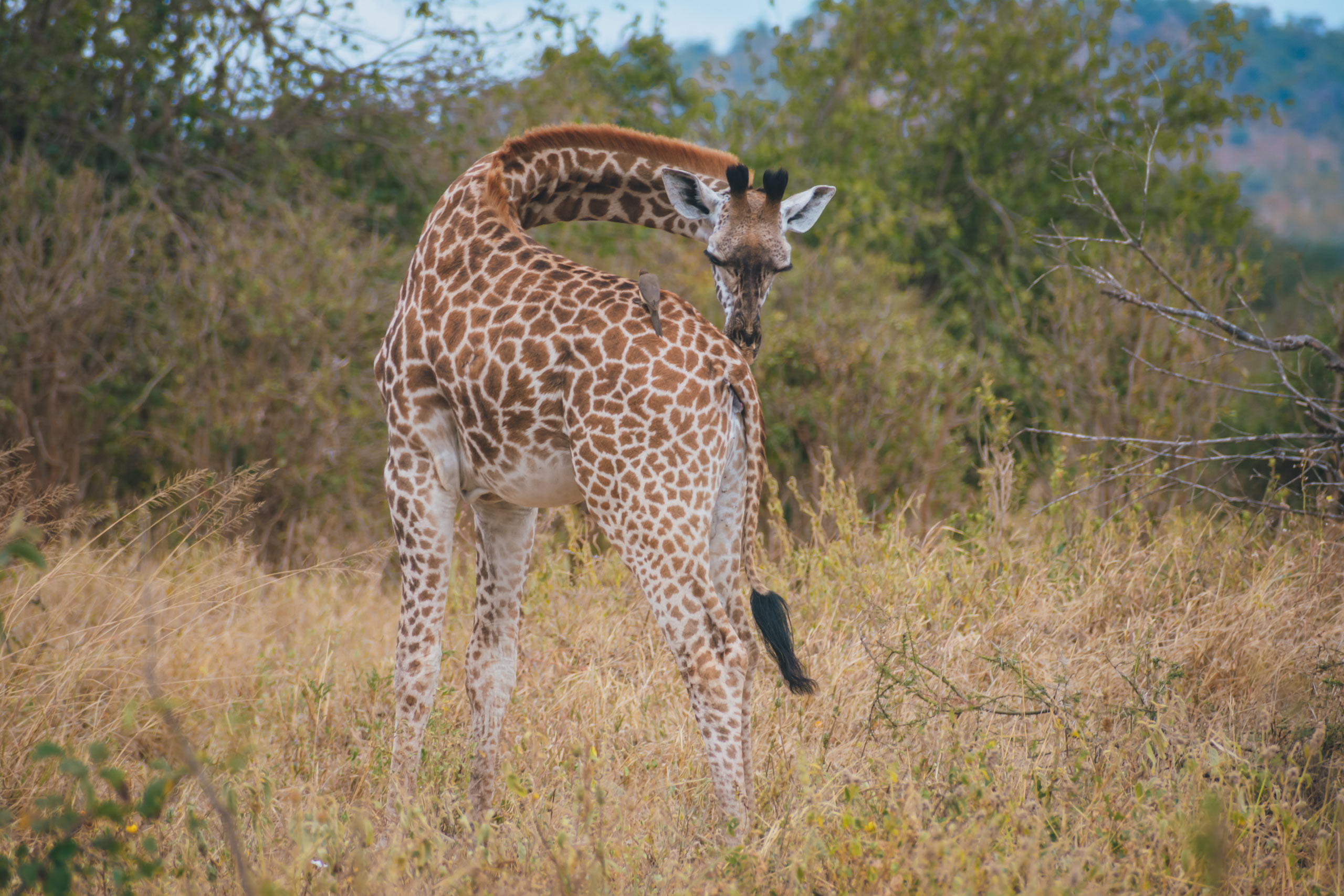
Giraffes (Absent from the Crater Floor)
Giraffes are not found inside the crater itself, and their absence is influenced by two primary factors:
Geographical Barrier.
The steep inner walls of the crater create a natural enclosure. While many animals move in and out, the challenging slopes are unsuitable for giraffes, which are less agile on steep terrain compared to other ungulates.
Vegetation Structure.
The crater ecosystem is dominated by open grasslands, swamps, and low shrubs. It lacks the abundance of tall acacia trees and woodland vegetation that giraffes depend on for browsing. Their feeding strategy requires height-specific foliage that is scarce within the crater basin.
As a result, giraffes are commonly seen in other parts of the Ngorongoro Conservation Area, throughout the wider Serengeti ecosystem, and especially in Serengeti National Park, where woodland habitats are more suitable.
African Wild Dogs
Predator Competition.
The crater supports a high density of dominant predators such as lions and spotted hyenas. Wild dogs are highly sensitive to competition and direct conflict, often avoiding areas where larger predators are concentrated.
Wild dogs require extensive territories for hunting and denning. The crater’s enclosed and relatively limited area restricts the wide-ranging movements essential for pack survival.
They are more likely to be encountered in the greater Serengeti ecosystem and other protected areas beyond the crater rim
Cheetahs
Cheetahs are rarely seen on the crater floor due to high predator density. Lions and hyenas dominate the area, making it unsafe for cheetahs to raise cubs or hunt effectively. Although the grasslands are suitable for sprint hunting, the crater’s limited space and competition make it less ideal. They are more commonly found in the Serengeti Plains and other open savannah areas of the Ngorongoro Conservation Area.
Ngorongoro Crater Park Fees
Approximate fees (subject to change):
Park Entrance: ~$70 per adult per day
Crater Service Fee: ~$295 per vehicle
Vehicle Entry Fee: Varies depending on vehicle type
Payment: Electronic only; cash is not accepted
Note: Fees are set by the Ngorongoro Conservation Area Authority and may change seasonally or for foreign vs. local visitors. It’s recommended to check the latest rates before planning your visit.
Category | Fee (USD) | Notes |
Adult Non-resident | $70 | per person per day |
Child Non-resident | $30 | ages 5–15 |
Tanzanian Resident Adult | TZS 20,000 | approx. $8 |
Tanzanian Resident Child | TZS 10,000 | approx. $4 |
Vehicle Fee | $25 | per car for non-residents |
Crater fees | $ 295 | 11,800 for East African resident |
Ngorongoro Crater Safari Costs
Number of travelers: The per-person cost usually decreases as the group size increases. Private safaris shared among more travelers help spread fixed expenses such as vehicle hire, guide fees, and park charges.
Accommodation level: Prices differ significantly between budget lodges, mid-range camps, and luxury crater-rim lodges. Staying on the crater rim offers convenience and views but comes at a premium, while lodges in Karatu provide more affordable alternatives.
Season: Safari costs are highest during peak seasons (June–October and December–February) when wildlife viewing is excellent, and demand is high. Shoulder and low seasons often offer better value, with occasional lodge discounts.
Ngorongoro Crater Size
- Size: The Ngorongoro Crater covers approximately 260 km² (100 square miles), making it one of the largest intact volcanic calderas in the world. This vast area supports a complete ecosystem, allowing wildlife to live permanently inside the crater without the need for seasonal migration.
- Diameter: Measuring about 19 km (12 miles) from rim to rim, the crater forms a massive natural enclosure. Its wide, circular shape creates a protected environment where animals are easily visible across open grasslands, wetlands, and forested areas.
- Rim Altitude: The crater rim rises to roughly 2,285 meters (7,500 feet) above sea level. From this elevated edge, visitors enjoy sweeping panoramic views of the crater floor below, often accompanied by cooler temperatures and misty conditions in the early morning.
- Crater Floor Altitude: Sitting at around 1,800 meters (5,900 feet) above sea level, the crater floor maintains a mild climate year-round. This altitude supports lush grasslands, freshwater springs, lakes, and swamps that attract large concentrations of wildlife.
- Depth: With a dramatic vertical drop of nearly 600 meters (2,000 feet) from the rim to the floor, the Ngorongoro Crater has a striking bowl-shaped formation. This depth plays a key role in trapping water and nutrients, helping sustain high wildlife densities and making the crater one of Africa’s most productive safari destinations.
Ngorongoro Crater within the Ngorongoro Conservation Area
The Ngorongoro Conservation Area is a large protected area in northern Tanzania, covering approximately 8,292 km² (3,202 mi²). This large area includes not only the famous Ngorongoro Crater but also a variety of other incredible landscapes, from grasslands to forests, wetlands, and highlands. It’s an area rich in both wildlife and natural beauty. Beyond the Ngorongoro Crater, the Conservation Area offers visitors a chance to explore several other stunning attractions, making it a highlight in any ngorongoro crater travel guide.
For example, Lake Ndutu, known for its seasonal wildlife, is a popular spot for wildlife sightings.The Olduvai Gorge, an important archaeological site often called the “Cradle of Humankind,” is another key feature of the area. Additionally, the Empakai and Olmoti Craters offer visitors breathtaking views and the chance to explore the scenic volcanic highlands. Together, these sites make the Ngorongoro Conservation Area much more than just a place for a safari; it’s a full experience of nature, wildlife, and history,often highlighted in any detailed Ngorongoro Crater travel guide.
Ngorongoro Crater refers specifically to the caldera, the actual volcanic crater itself. The Ngorongoro Crater was formed millions of years ago when a huge volcano collapsed, leaving behind a giant bowl-shaped depression. The steep walls of the crater create a natural enclosure that has helped make this area one of the best places in Africa to see wildlife. It has a unique ecosystem that supports a high number of animals. While animals can move in and out of the crater, they generally stay within it because it offers everything they need: water, food, and shelter.
The Ngorongoro Crater may be famous, but it’s not huge; it covers about 260 km² (100 mi²). However, because the animals are concentrated in this small area, it’s one of the best places to see a wide variety of wildlife in one day. Many visitors to the Ngorongoro Crater spend most, if not all, of their time on the crater floor, where they can easily spot the Big Five – lions, elephants, buffaloes, leopards, and rhinos, along with many other species of animals.
In short, the Ngorongoro Conservation Area is much larger and more diverse, with different habitats and historical sites, while the Ngorongoro Crater itself is a small but wildlife-packed gem that attracts travelers from around the world.
Ngorongoro Crater Safari Itineraries
- Early morning descent into the crater between 6:00 and 7:00 AM, when predators are still active and light conditions are ideal for photography.
- Game drive through the Lerai Forest, a lush groundwater forest famous for large elephant herds, buffalo, and the chance of spotting elusive leopards resting in the trees
- Exploration of the open crater floor leading to Lake Magadi, a shallow soda lake that attracts flamingos, pelicans, and other waterbirds throughout the year
- Visit Ngoitokitok Springs, where hippos, wildebeest, and other plains animals gather around permanent freshwater sources.
- Picnic lunch at a designated site on the crater floor, allowing you to relax while surrounded by one of Africa’s most wildlife-dense environments
- Extended afternoon game drive across grasslands and wetlands, increasing chances of seeing lions, rhinos, zebras, and hyenas.
- Late afternoon ascent from the crater and return to Karatu or Arusha for overnight.
A multi-day Ngorongoro safari extension allows travelers to go beyond the crater floor and experience the broader landscapes, culture, and history of the conservation area at a more relaxed pace.
Spend an unhurried day exploring different sections of the crater, focusing on varied habitats, including grasslands, swamps, forests, and lakes. This flexible schedule allows guides to track wildlife movements and maximize sightings throughout the day.
- Guided visit to Olduvai Gorge, often called the “Cradle of Mankind,” where some of the world’s earliest human fossils were discovered.
- Cultural visit to a traditional Maasai village to learn about pastoral life, customs, and coexistence with wildlife within the conservation area
- Guided hike to Empakai Crater or Olmoti Crater, offering panoramic views, lush highland scenery, and a quieter alternative to the main crater
Things To Do In Ngorongoro Crater
Ngorongoro Crater is one of Africa’s most extraordinary safari destinations, offering a unique combination of dense wildlife populations, volcanic landscapes, cultural heritage, and prehistoric sites. The activities below allow visitors to experience the crater and its surroundings from multiple perspectives.
Game Drives on the Crater Floor
Game drives are the core activity in Ngorongoro Crater and the main reason most travelers visit. The enclosed caldera creates a natural wildlife sanctuary with permanent water sources and fertile grazing grounds. This results in an exceptionally high chance of seeing the Big Five- lion, leopard, elephant, buffalo, and the rare black rhino,in a single day. In addition to these icons, visitors often encounter cheetahs, hyenas, zebras, wildebeest, and large herds of antelope.
Picnic Lunch at Ngoitokitok Springs
A picnic lunch at Ngoitokitok Springs offers a relaxing break during a full-day crater safari. This lush area is fed by underground springs and attracts hippos, elephants, and numerous bird species. Designated picnic sites allow visitors to enjoy meals while surrounded by nature, all under strict park safety regulations to ensure a secure and respectful wildlife experience
Rhino Tracking
Ngorongoro Crater is one of the most reliable locations in Tanzania for spotting black rhinos in the wild. These critically endangered animals are closely monitored and protected within the crater. With knowledgeable driver-guides and ranger communication, visitors often observe rhinos grazing calmly on open plains, making this a highlight for wildlife enthusiasts and conservation-minded travelers.
Visit Lake Magadi (Flamingos & Birdlife)
Situated at the center of the crater, Lake Magadi is a shallow alkaline lake that supports a rich ecosystem. Seasonal flamingos gather along its shores, while pelicans and other water birds are frequently seen. The surrounding mudflats are also popular with hippos, offering excellent opportunities for birdwatching and photography during crater-floor game drives.
Hiking & Walking Safaris (Crater Rim Areas)
While walking is not permitted on the crater floor, guided hiking experiences are available in nearby volcanic landscapes:
- Olmoti Crater – Known for scenic waterfalls, open grasslands, and gentle nature walks
- Empakaai Crater – Famous for its deep soda lake, flamingos, and breathtaking views
These hikes provide a quieter, more immersive experience and showcase the geological beauty of the Ngorongoro Highlands.
A visit to Olduvai Gorge, often called the Cradle of Mankind, adds historical depth to your safari. The site features a museum and excavation areas where some of the earliest human fossils were discovered. Nearby, the Shifting Sands,dark volcanic dunes that slowly move across the plains, offer a fascinating natural phenomenon linked to ancient eruptions.
Cultural Tours (Maasai Villages)
Cultural visits to Maasai villages around the Ngorongoro Conservation Area allow travelers to engage with local communities. Visitors learn about traditional housing, livestock herding, customs, and how the Maasai have coexisted with wildlife in this region for generations.
Photography Safaris
Ngorongoro Crater’s dramatic walls, misty mornings, and open grasslands create exceptional conditions for photography. Close wildlife encounters, soft natural lighting, and expansive views make it ideal for both wildlife and landscape photographers.

Where to Stay in Ngorongoro Crater
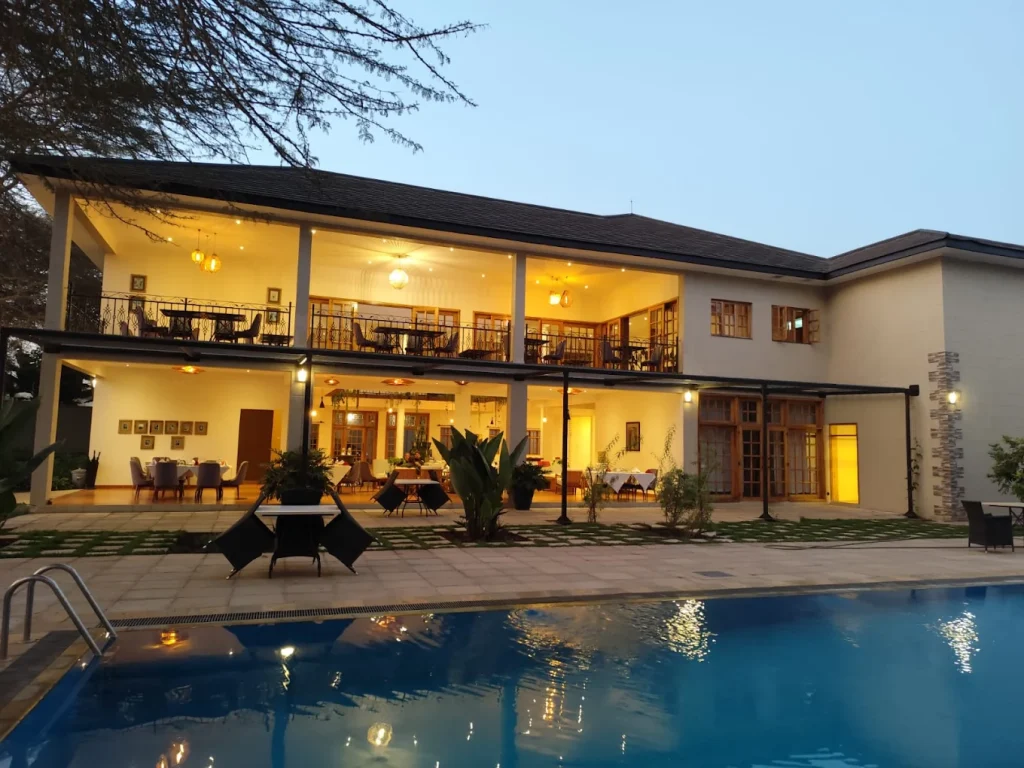
Regarding accommodation in Ngorongoro Crater, travellers are spoiled for choice, with options designed to suit every taste, budget, and travel style. Whether you’re drawn to refined luxury, comfortable mid-range lodges, or a more adventurous stay close to nature, Ngorongoro offers an experience to match your expectations. This guide also helps answer the common question of where to stay in Ngorongoro Crater.
Luxury Lodges: For those seeking indulgence and breathtaking scenery, luxury lodges perched along the crater rim provide an unforgettable retreat. Properties such as andBeyond Ngorongoro Crater Lodge, Ngorongoro Serena Safari Lodge, Ngorongoro Lodge Meliá Collection, and Neptune Ngorongoro Luxury Lodge are thoughtfully designed to blend into their surroundings while offering exceptional comfort. Imagine relaxing on a private terrace after a rewarding day on the crater floor, watching the mist roll over the caldera as the sun sets in warm golden tones.
Mid-range lodges and farm stays offer a perfect balance of comfort and value, particularly in and around Karatu. Places like Ngorongoro Farm House and Ngorongoro Marera Mountain View Lodge provide spacious rooms, tranquil gardens, and a welcoming atmosphere, making them ideal bases for crater excursions without the premium price tag.
Tented camps appeal to travellers who want a deeper connection with the wild while still enjoying modern comforts. Falling asleep to the sounds of the African night, rustling leaves, distant lion calls, and chirping insects, adds an unforgettable layer to the safari experience and brings you closer to nature without sacrificing convenience.
For adventurous travellers or those on a tighter budget, campsites within the conservation area offer a more rustic but rewarding stay. With basic facilities and remarkable surroundings, waking up to birdsong and stepping out to sweeping views of the crater creates a raw, immersive experience that truly captures the spirit of Ngorongoro and further defines where to stay in Ngorongoro Crater.

Frequently Asked Questions About Ngorongoro Crater
- How big is Ngorongoro Crater?
Ngorongoro Crater is about 260 square kilometres (100 square miles) in size, making it the largest unbroken volcanic caldera in the world.
- How deep is the Ngorongoro Crater?
The crater is approximately 600 metres (2,000 feet) deep from the rim to the crater floor.
- How far is Ngorongoro Crater from Arusha?
Ngorongoro Crater is about 180 kilometres (112 miles) from Arusha. The drive usually takes 3.5 to 4.5 hours, depending on road conditions.
- How many days do you need in Ngorongoro Crater?
Most visitors explore Ngorongoro Crater in 1 full day. Staying 1–2 nights nearby allows for a more relaxed experience and early access to the crater.
- How do you pronounce Ngorongoro Crater?
Ngorongoro is pronounced as “Ngo-ron-GO-ro”.
- Is Ngorongoro Crater worth visiting?
Yes. Ngorongoro Crater is one of the best safari destinations in Africa, offering incredible wildlife viewing, beautiful scenery, and a high chance of seeing the Big Five in a single day.
- What is Ngorongoro Crater?
Ngorongoro Crater is a massive volcanic caldera formed millions of years ago. Today, it is a protected wildlife area and part of the Ngorongoro Conservation Area in northern Tanzania.
- How much does a Ngorongoro Crater safari cost?
The cost varies depending on accommodation type, season, and group size. Ngorongoro safaris are generally more expensive due to conservation and crater fees.
- What is Ngorongoro Crater famous for?
Ngorongoro Crater is famous for its dense wildlife population, dramatic landscapes, and being one of the best places in Africa to see the Big Five.
- What is unique about Ngorongoro Crater?
The crater is unique because it is a fully intact caldera that supports wildlife year-round, with permanent water sources and rich grazing areas.
- What can you see in Ngorongoro Crater?
Visitors can see lions, elephants, buffaloes, zebras, wildebeest, hippos, hyenas, flamingos, and the rare black rhino.
- When is the best time to visit Ngorongoro Crater?
Ngorongoro Crater can be visited all year round. The dry season (June to October) is popular for wildlife viewing, while the green season (November to May) offers lush scenery and fewer crowds.
- Where is Ngorongoro Crater located?
Ngorongoro Crater is located in northern Tanzania, within the Ngorongoro Conservation Area, between Serengeti National Park and Lake Manyara.
- Why is Ngorongoro Crater famous worldwide?
It is famous for its natural beauty, high wildlife density, and status as a UNESCO World Heritage Site, making it one of Africa’s most iconic safari destinations.
Plan your Trip
Ready to start planning your own incredible adventure?
We make the process stress-free and enjoyable.