
Cost to Climb Kilimanjaro
The cost to climb Mount Kilimanjaro depends on the route, number of days, group size, and level of service included in the package.
Climbing Mount Kilimanjaro in Tanzania typically costs between $2,000 and $3,500 per person for a guided expedition, depending on the route, duration, group size, and tour operator. Shorter climbs generally cost less, while longer routes may cost more because of additional park fees, meals, crew support, and camping or hut accommodation.
The total cost of climbing Kilimanjaro can also include international flights, travel insurance, climbing equipment, tips for guides and porters, airport transfers, and accommodation before and after the trek. When planning your budget, compare what each safari operator includes in its package to understand the full cost and choose a climb that suits your budget, safety needs, and summit goals.
How Much Does It Cost to Climb Kilimanjaro in 2026?
The cost of climbing Mount Kilimanjaro in 2026 varies according to the route you choose, the length of your trek, and the level of service provided by your tour operator. A guided climb may cost around $2,000–$3,500 per person, with premium and longer expeditions costing more. Park fees make up a significant part of the price, alongside guide and porter wages, meals, transport, and mountain accommodation.
To estimate your budget accurately, look beyond the advertised climbing package. Consider equipment purchases or rentals, international airfare, travel insurance, tips for your mountain crew, and hotel stays in Tanzania. Understanding Kilimanjaro climbing cost. alongside these additional expenses helps you calculate your overall budget and avoid unexpected costs when preparing for your Kilimanjaro adventure.
What Is Included in the Cost of Climbing Kilimanjaro?
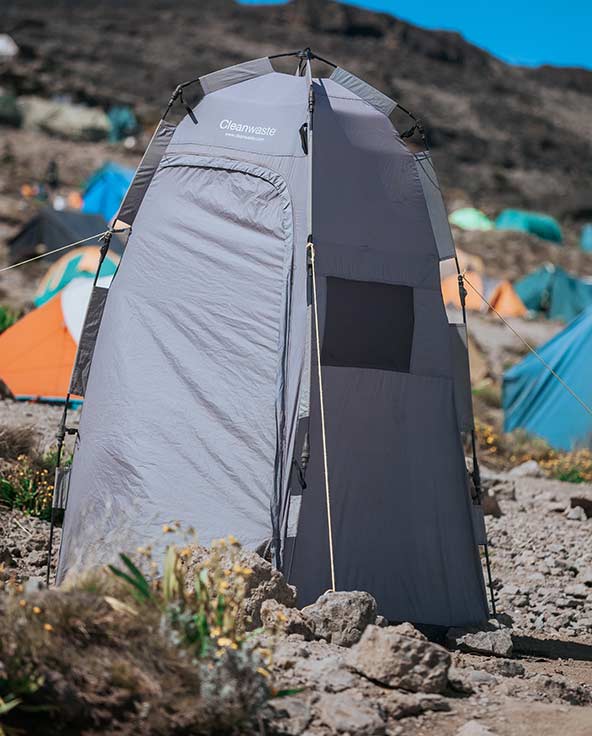
A typical Kilimanjaro climbing package covers park fees, professional mountain guides, porters, meals, drinking water, and accommodation on the mountain. Depending on the route, climbers sleep in mountain huts or tents at designated campsites. Packages usually include transport to and from the mountain gate, along with the logistical support needed throughout the expedition.
However, inclusions vary by tour operator, so check the details before booking. Airport transfers, hotel accommodation before and after the climb, sleeping bags, personal trekking gear, travel insurance, and tips may be charged separately. Understanding Kilimanjaro climbing cost also means checking these additional expenses to determine your total budget and avoid unexpected costs.
How Much Do Kilimanjaro Park Fees Cost?
Climbing Mount Kilimanjaro requires visitors to pay mandatory national park fees, which form a substantial part of the overall trekking price. These charges generally include conservation fees, camping or hut accommodation fees, and a rescue fee. The total depends on the route, the number of days spent in the park, and the applicable fees for your expedition.
For international climbers, park fees can range from approximately US$800 to US$1,200 per person for a typical 7-day climb, depending on the route and applicable taxes. Most licensed tour operators include these charges in their climbing packages and arrange payment on behalf of their clients. When comparing quotations, check the park fee breakdown carefully to understand what is included and whether any additional charges apply to your trip.
How Much Does Each Kilimanjaro Route Cost?
The Kilimanjaro climbing cost varies by route, number of days, group size, and tour operator. Most guided climbs cost approximately US$2,000–US$3,500 per person, while longer routes, such as the Northern Circuit, can cost more. The table below compares the estimated cost of each main Kilimanjaro route in 2026.
| Kilimanjaro Route | Duration | Estimated Cost per Person |
|---|---|---|
| Marangu Route | 5–6 days | US$1,800–US$2,900 |
| Machame Route | 6–7 days | US$2,000–US$3,300 |
| Rongai Route | 6–7 days | US$2,200–US$3,500 |
| Lemosho Route | 7–8 days | US$2,300–US$3,500 |
| Umbwe Route | 6–7 days | US$2,200–US$3,400 |
| Northern Circuit | 9 days | US$3,000–US$4,400 |
How Does the Number of Days Affect Kilimanjaro Climbing Costs?
The number of days is an important factor when calculating Kilimanjaro climbing cost. Longer climbs generally cost more because they require additional park fees, meals, accommodation, and guide and porter services. However, the total price also depends on the route, group size, and services included in your package.
A 5–6-day climb generally costs less than a 7–9-day itinerary. However, shorter climbs allow less time for acclimatisation, while longer itineraries give your body more time to adjust to the altitude. Routes such as Machame, Lemosho, and the Northern Circuit have different durations and costs, so compare the full package price before booking.
When deciding how much to spend on climbing Kilimanjaro, consider the number of days, route difficulty, safety support, and included services. A longer itinerary may cost more upfront, but allowing adequate time for acclimatisation is an important consideration when choosing your climb.
How Much Should You Budget for Flights, Gear, Insurance, and Tips?
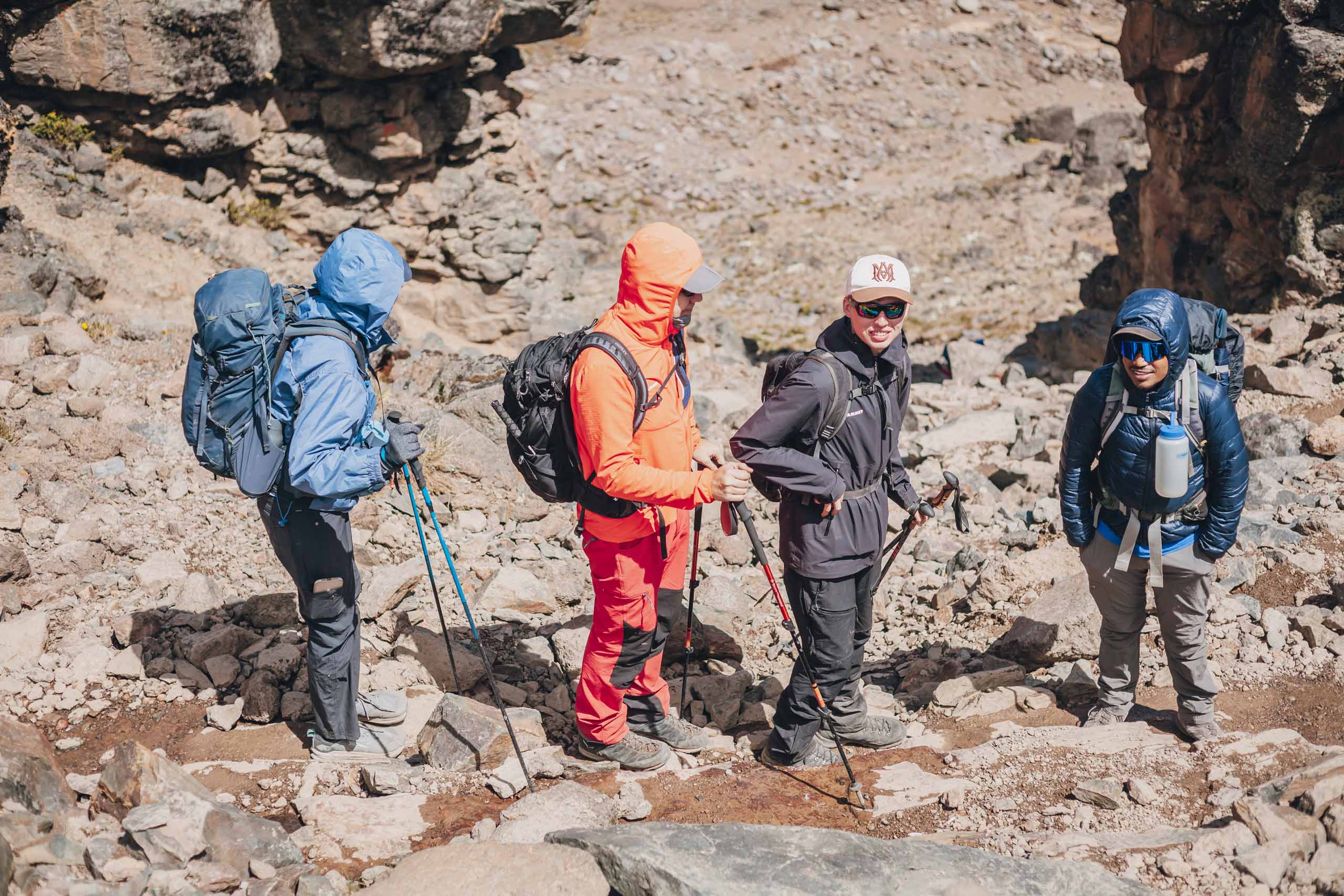
When calculating Kilimanjaro climbing cost, remember that the climbing package is only part of your total budget. International flights, personal climbing gear, travel insurance, and tips can add several hundred to several thousand US dollars, depending on your departure country and personal needs.
- International flights: Budget approximately US$600–US$1,500 or more for a return economy ticket, depending on your departure location, travel dates, and airline. Flights from some long-haul destinations may cost more.
- Climbing gear: Allow around US$200–US$800 if you need to purchase essential clothing and equipment. Renting items such as sleeping bags, trekking poles, and insulated jackets in Tanzania can reduce upfront costs.
- Travel insurance: Budget approximately US$100–US$300 or more for a policy that specifically covers high-altitude trekking up to 5,895 metres, emergency evacuation, and medical expenses. Prices depend on your age, trip length, and coverage.
- Guide and porter tips: Plan for approximately US$250–US$400 per climber for a typical guided climb, depending on its duration, group size, crew arrangements, and service quality. Confirm the recommended tipping guidelines with your operator.
Is It Cheaper to Climb Kilimanjaro in a Group or Privately
Yes, climbing Kilimanjaro in a group is generally cheaper per person than booking a private climb. Group members share expenses such as guides, transport, and mountain logistics, helping reduce the overall cost.
Group climbs are ideal for solo travellers and budget-conscious climbers. They usually have fixed departure dates and itineraries.
Private climbs offer more flexibility with departure dates and a more personal experience. They generally cost more for solo travellers and couples, but the price per person can decrease when friends or family members book together.
When comparing Kilimanjaro climbing cost, consider your budget, preferred travel dates, group size, and the services included in the package. A group climb is usually the most affordable option, while a private climb offers greater flexibility.
When Is the Cheapest Time to Climb Kilimanjaro?
The cheapest time to climb Kilimanjaro is often during April and May, when rainy weather reduces tourist demand, and some operators may offer lower prices. However, heavy rain, muddy trails, and cloudy conditions can make climbing more challenging.
January to early March and June to October are generally drier and more popular climbing periods. Demand is often higher in July, August, and September, which may affect package prices.
To reduce Kilimanjaro climbing cost, consider joining a group climb, comparing packages from different operators, and travelling during quieter periods. Check whether park fees, meals, accommodation, and transfers are included before booking.
Although climbing during the rainy season may save money, prioritise safety, suitable weather conditions, and sufficient acclimatisation time. Choosing the right period helps you balance affordability, comfort, and your chances of reaching Uhuru Peak successfully.
Why Do Kilimanjaro Climbing Prices Vary Between Operators
Kilimanjaro climbing prices vary between operators because of differences in service quality, staff wages, accommodation, equipment, and package inclusions. Some companies offer lower prices, while others charge more for experienced guides, better meals, quality equipment, and additional safety support.
When comparing Kilimanjaro climbing cost, check what each package includes. Park fees, meals, camping or hut accommodation, guides, porters, transport, and emergency equipment can affect the final price.
The number of climbing days, route, and group size also influence costs. Rather than choosing the cheapest operator, compare the services provided, safety standards, and treatment of mountain staff to find a package that offers good value for your budget.


Mistakes to Avoid When Choosing Your Climbing Date
When considering the best time of year to climb Kilimanjaro, avoid choosing your Kilimanjaro climbing date based only on price, availability, or the shortest itinerary. Give yourself enough time for gradual altitude acclimatization, as rushing the ascent can make the climb more physically demanding. The dry season generally offers better trekking conditions, but temperatures can still drop below freezing at higher elevations, especially near the summit. It is also important to consider your fitness level, preferred route, and how much time you can comfortably spend on the mountain.
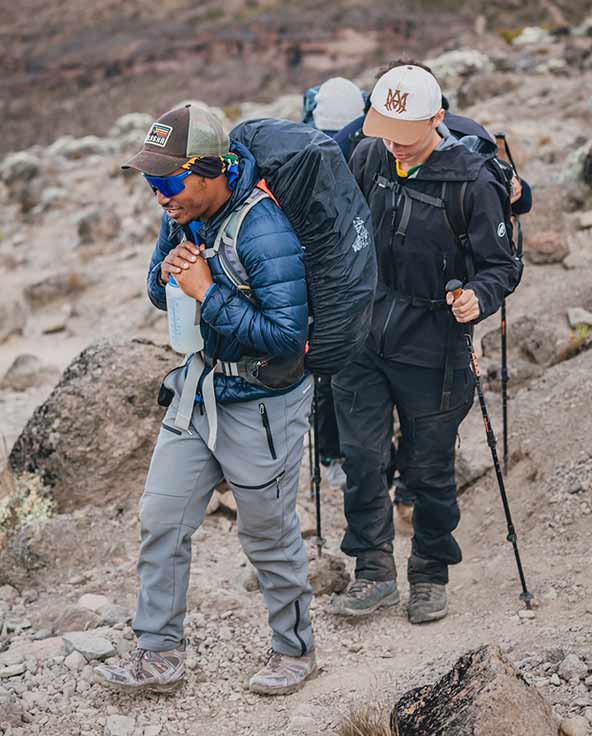
Before booking, consider rainfall, trail conditions, visibility, temperatures, route difficulty, acclimatization time, and expected crowd levels. Popular routes such as Machame, Marangu, and Lemosho can be busier during peak periods, while Rongai and the Northern Circuit are often quieter. Your choice of climbing month can also affect the overall atmosphere, from busy campsites during peak seasons to a quieter experience during less crowded periods. Choosing the best time to climb Kilimanjaro also means considering how comfortable you are with different weather and crowd levels.
Choosing the right combination of climbing month, route, and itinerary can help you enjoy more favorable weather, a comfortable pace, better acclimatization, and a more rewarding Kilimanjaro trekking experience. Rather than looking for the cheapest or shortest option, choose an itinerary that gives you enough time to adjust to the altitude and prepare properly for the summit. This approach can help you identify the best time to climb Kilimanjaro for your own travel plans and climbing goals.
What Is the Total Cost of Climbing Kilimanjaro
The total Kilimanjaro climbing cost typically ranges from US$3,000 to US$6,500 or more per person, including the climbing package, international flights, personal gear, travel insurance, and tips. The final cost depends on your route, number of days, group size, and comfort level.
A standard climbing package costs around US$2,000–US$3,500 per person and usually covers park fees, guides, porters, meals, and camping or hut accommodation. Flights, equipment, insurance, and crew tips may cost extra.
Private climbs, longer routes, and luxury arrangements generally increase the total budget. Before booking, compare package inclusions and check for airport transfers, hotel stays, and emergency support.
To manage your Kilimanjaro climbing cost, consider a group climb and book with a reputable local operator. However, do not compromise on safety, experienced guides, or sufficient acclimatisation time to save money.
Plan your Trip
Ready to start planning your own incredible adventure?
We make the process stress-free and enjoyable.