
Lake Natron Tanzania Travel Guide 2026
Lake Natron in Tanzania, a stunning alkaline soda lake home to millions of flamingos and the world’s most important lesser flamingo breeding ground.
Lake Natron is a unique alkaline soda lake in northern Tanzania, in the eastern branch of the Great Rift Valley. Situated in the Arusha Region at the foot of the active Ol Doinyo Lengai volcano, it’s known for its mineral-rich waters, striking red and pink colors, and its role as the world’s most significant breeding site for lesser flamingos.
The lake is approximately 57 km long and 22 km wide, but remains extremely shallow, usually less than 3 meters deep. High evaporation rates cause sodium carbonate and salt to accumulate, creating alkaline conditions with pH levels ranging from 10 to 12, which support the algae and bacteria responsible for the lake’s distinctive colors. This Lake Natron Tanzania travel guide also explains the natural conditions that make the lake so unique.
During breeding season, more than two million lesser flamingos gather here to feed on algae and find protection from predators, making Lake Natron one of Tanzania’s most fascinating wildlife and photography destinations.
Beyond flamingo viewing, a Lake Natron safari can include the Engare Sero waterfalls, ancient hominid footprints preserved in volcanic ash, and guided hikes on Ol Doinyo Lengai volcano, an unforgettable off-the-beaten-path experience. For travelers looking to explore this extraordinary destination, a Lake Natron Tanzania travel guide provides essential information about the lake’s location, attractions, activities, best time to visit, and travel tips.
Where Is Lake Natron Located in Tanzania?
Lake Natron is a unique salt and alkaline soda lake located in northern Tanzania, within the Arusha Region. It is situated in the Gregory Rift, the eastern branch of the Great Rift Valley, and lies at the foot of Ol Doinyo Lengai, an active volcano and one of Tanzania’s most distinctive geological landmarks. The Lake Natron Tanzania travel guide provides useful information about this unique location and its surrounding attractions.
The lake is found in the remote northern part of the Ngorongoro District, surrounded by volcanic landscapes, open savannah environments, and traditional Maasai communities. Lake Natron is located approximately 120 to 170 kilometers northwest of Arusha city by road, with a journey of about 3 to 5 hours depending on the selected route and road conditions. It is also positioned north of the Ngorongoro Conservation Area, making it a valuable addition to a northern Tanzania safari itinerary.
Because of its remote location, unique alkaline ecosystem, dramatic volcanic scenery, and importance as a breeding habitat for lesser flamingos, Lake Natron offers a rare travel experience. Visitors can enjoy bird watching, wildlife photography, cultural encounters, waterfall hikes, and adventure activities while exploring one of Tanzania’s most unique and less-crowded destinations. For travelers planning a visit, the Lake Natron Tanzania travel guide covers the main attractions, activities, travel routes, and experiences to enjoy.
Why Visit Lake Natron?
Lake Natron is worth visiting for its striking flamingo breeding grounds, dramatic red-hued soda waters, and the active volcano Ol Doinyo Lengai rising above the Rift Valley escarpment. The lake serves as the primary nesting ground for an estimated 75% of East Africa’s lesser flamingos, with over two million birds gathering here to breed. Its high evaporation rates and salt-loving microorganisms create striking shades of pink, red, and orange across the shallow waters, making it a remarkable destination for wildlife viewing and photography.
Beyond the lake, visitors can explore Ol Doinyo Lengai, a steep active volcano known as the “Mountain of God” by the local Maasai people, rising above the Great Rift Valley. Travelers can also enjoy refreshing hikes to the scenic Engare Sero waterfalls, discover the surrounding landscapes, and experience authentic Maasai culture and traditional ways of life away from the more crowded tourist routes. For travelers planning these experiences, the Lake Natron Tanzania Travel Guide highlights the best attractions to explore around the lake and why visit Lake Natron is worth.
Book your Lake Natron Safari Today
Tell us your budget & travel style, and we’ll desgin your dream safari.
Why is Lake Natron Red?
Lake Natron is red because of its highly alkaline, mineral-rich waters, where salt-loving microorganisms such as cyanobacteria and halophilic algae produce natural red, pink, and orange pigments. During the dry season, intense evaporation concentrates these salts and minerals, making the colors even more vivid, while receding water exposes salt flats streaked with shades of red, orange, pink, and white.
The reason Why Is Lake Natron Red? Is also linked to the lake’s extreme chemical environment. High levels of sodium carbonate and a pH that can exceed 10 create ideal conditions for these pigment-producing organisms to thrive. The intensity of Lake Natron’s colors changes throughout the year depending on rainfall, sunlight, evaporation rates, and water levels, creating a constantly changing natural landscape.
This same alkaline environment makes Lake Natron the most important lesser flamingo breeding ground in East Africa, supporting around 75% of the region’s breeding population. The harsh waters help protect flamingo nests from predators, making it a vital sanctuary for these iconic birds. Combined with the dramatic presence of Ol Doinyo Lengai, the world’s only active carbonatite volcano, Lake Natron is one of Tanzania’s most extraordinary natural attractions and a unique destination for photographers, birdwatchers, and nature lovers.
How to Get to Lake Natron
You can reach Lake Natron by road in a 4×4 safari vehicle, which is the most reliable and recommended option due to the rough road conditions and remote location. The journey offers stunning views of the Great Rift Valley, volcanic landscapes, and traditional Maasai villages along the way.
The drive takes approximately 5–6 hours from Arusha, 4–5 hours from Ngorongoro Conservation Area, and about 8 hours from Serengeti National Park via Klein’s Gate. Most visitors enter through Engaresero (Engare Sero) village, where conservation and Wildlife Management Area (WMA) fees are paid before exploring Lake Natron’s famous flamingo breeding grounds, red soda waters, waterfalls, and surrounding natural attractions. This information is an important part of the Lake Natron Tanzania Travel Guide for travelers planning a unique northern Tanzania safari experience.
Best Time to Visit Lake Natron
The best time to visit Lake Natron is during the dry seasons, from June to October and from January to February, when the weather is cooler, roads are easier to access, and wildlife viewing conditions are excellent. During these months, lower water levels and increased evaporation make the lake’s famous red, pink, and orange colors more visible, creating ideal conditions for photography.
June to October is considered one of the best periods to visit Lake Natron because the dry climate creates dramatic landscapes, clear views of Ol Doinyo Lengai, and excellent opportunities to observe lesser flamingos gathering in the shallow waters. The cooler temperatures also make activities such as flamingo watching, hiking to waterfalls, and cultural visits with the Maasai community more comfortable. This information is an important part of the Lake Natron Tanzania Travel Guide for travelers planning their visit.
The rainy seasons (March to May) can still be rewarding, as the surrounding landscapes become greener and the scenery changes dramatically. However, some roads may become challenging due to muddy conditions, and outdoor activities can be affected by rainfall.
For the best overall experience, plan your Lake Natron safari with Ngorongoro Expedition between June and October to enjoy vibrant lake colors, flamingo sightings, pleasant weather, and easier access to this remote Tanzanian destination. This Lake Natron Tanzania Travel Guide will help you choose the best time to visit Lake Natron based on your interests and travel plans.
Lake Natron Flamingos
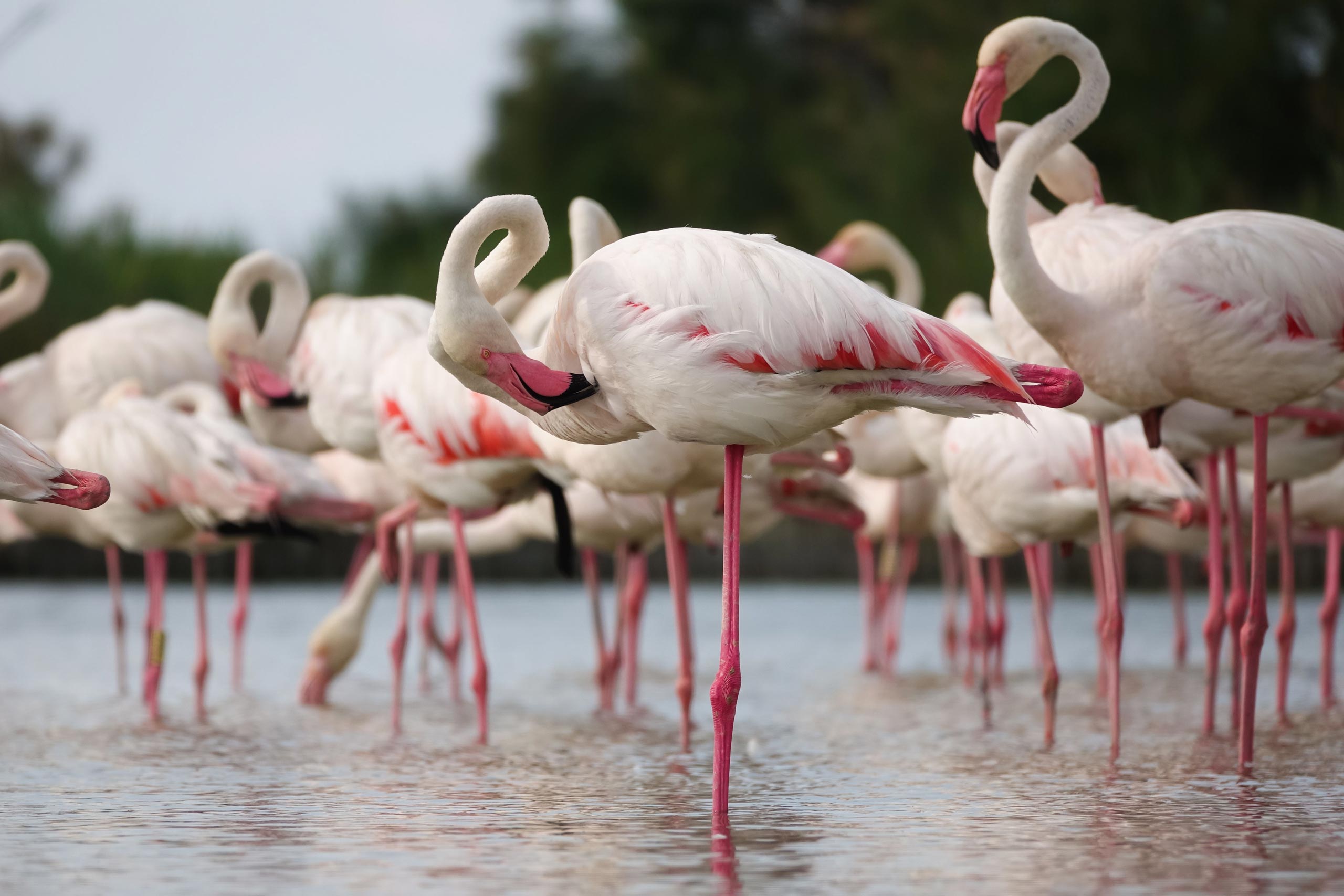
Lake Natron is home to two main flamingo species: lesser flamingos and greater flamingos. The lake is especially famous for its lesser flamingos, which gather in large numbers and use its shallow alkaline waters and salt flats as a major breeding ground.
- Lesser flamingos – The most abundant flamingo species at Lake Natron and the lake’s main attraction. They feed on blue-green algae (cyanobacteria) that thrive in the alkaline waters and build their nests on the lake’s remote salt flats.
- Greater flamingos – Also found at Lake Natron, but in smaller numbers. They are often seen feeding in the shallow waters and along the lake margins.
Lake Natron’s extreme alkaline environment provides a unique habitat that supports one of East Africa’s most important lesser flamingo breeding sites. The lake’s isolation, shallow waters, and abundant algae make it an ideal location for flamingos to feed, nest, and raise their young. If you are planning to see these flamingos, the Lake Natron Tanzania Travel Guide provides useful information for your visit.
Lake Natron Tanzania Facts
- Location: Northern Tanzania, at the foot of Ol Doinyo Lengai.
- Area: About 1,040 km².
- Lake type: Salt-rich and highly alkaline soda lake.
- Size: About 57 km long and 22 km wide when full.
- Flamingos: Up to 5 million lesser flamingos gather during breeding periods.
- Breeding site: One of East Africa’s key breeding sites for lesser flamingos.
- Temperature: Some areas can reach 40–60°C.
- Water chemistry: Highly alkaline and mineral-rich, supporting specialized microorganisms and flamingos.
Lake Natron Animals
Lake Natron is home to a variety of wildlife, birds, and fish species adapted to the lake’s extreme alkalinity and surrounding volcanic landscapes. The area is best known as a major breeding ground for lesser flamingos in East Africa, while the nearby savannahs and wetlands support diverse species. Below are some of the animals, birds, and fish species found in and around Lake Natron?
Birds Found in Lake Natron
- Lesser flamingos – The most iconic birds of Lake Natron and the main attraction, with the lake providing an important breeding habitat in East Africa.
- Greater flamingos – Frequently found feeding and resting in the shallow areas around the lake.
- Pelicans – Commonly spotted around wetlands and open water sections near Lake Natron.
- Storks – Visit the surrounding areas and wetlands in search of food.
Fish Species Found in Lake Natron
- Alcolapia alcalica – A special alkaline tilapia species that has adapted to the lake’s extreme chemical conditions.
- Alcolapia latilabris – A rare fish species native to the Lake Natron ecosystem.
- Alcolapia ndalalani – A species that survives in the warm alkaline waters around the lake’s natural springs.
Lake Natron Animals
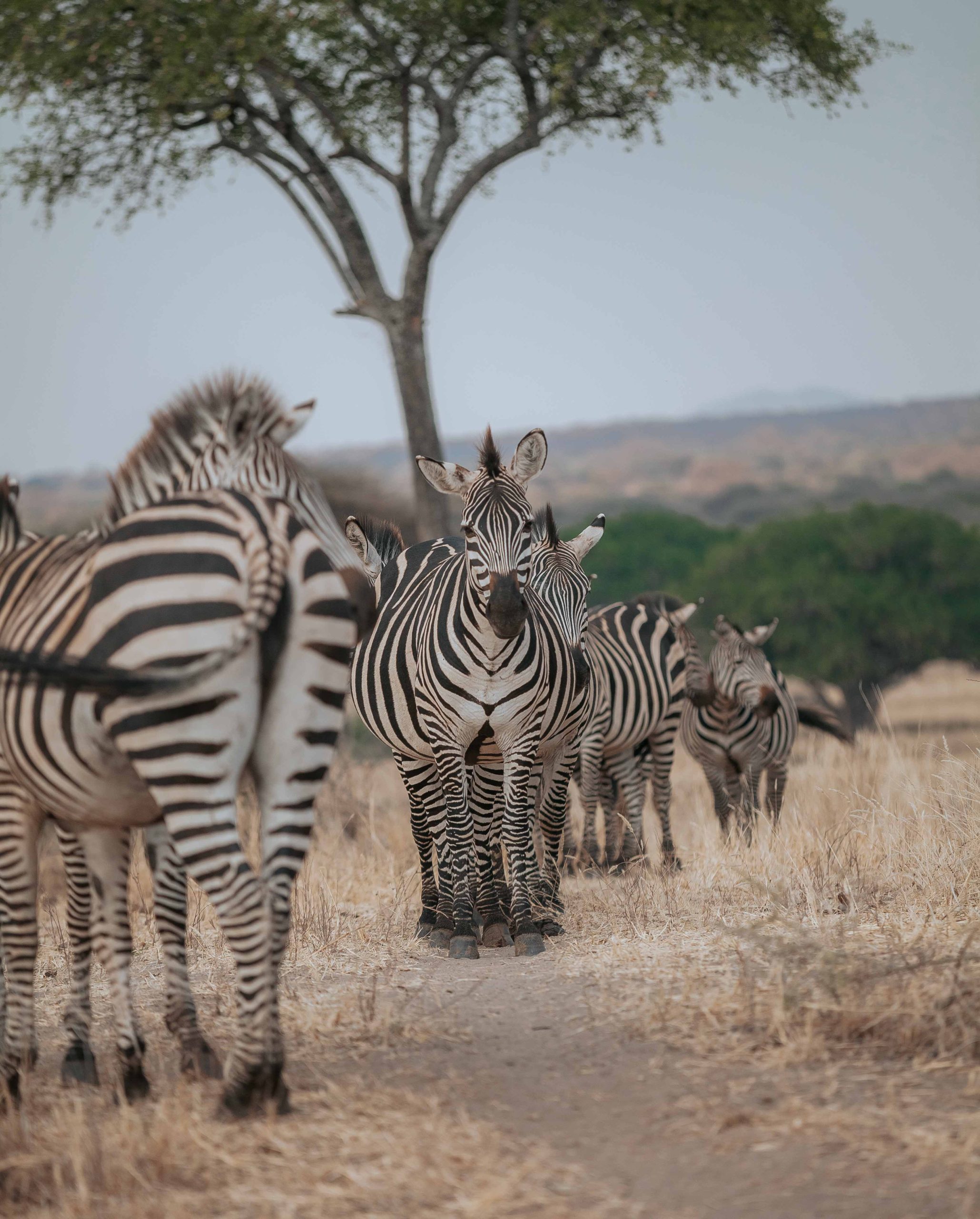
- Zebras – Frequently seen grazing in the nearby savannah landscapes.
- Wildebeest – Found in the grasslands surrounding the lake.
- Giraffes – Seen browsing among acacia woodlands in the area.
- Gazelles – Move across the open plains around Lake Natron.
Whether you are a birdwatcher, wildlife photographer, or nature enthusiast, this Lake Natron Tanzania Travel Guide will help you discover the incredible diversity of species that make this destination one of Tanzania’s most extraordinary wildlife experiences.


Why Does Lake Natron Turn Animals into Stone
No, Lake Natron actually does not turn animals into stone. This famous story comes from photographs of dead birds and animals found near the lake that appeared to be “petrified” or stone-like. The extremely alkaline waters of Lake Natron, which can reach very high pH levels, can preserve and coat remains with mineral deposits, causing them to appear hardened or calcified over time.
The lake’s harsh environment, including high salinity, high alkalinity, and high evaporation rates, makes it difficult for many animals to survive if they enter the water. When birds or other animals die near the lake, their bodies may become covered with sodium carbonate and other mineral deposits, creating an unusual appearance that inspired the “animals turned to stone” myth.
However, Lake Natron is not a place where living creatures are instantly transformed into stone. In fact, the lake supports a unique ecosystem, especially for lesser flamingos, which use its shallow alkaline waters as one of their most important breeding sites in East Africa.
Top Things to Do at Lake Natron Tanzania
Lake Natron offers unique experiences combining wildlife, adventure, nature, and culture in northern Tanzania. Visitors can enjoy flamingo watching, waterfall hikes, volcano climbs, ancient footprints, Maasai cultural visits, and stunning views of the lake’s red-salt landscapes.
Flamingo Watching and Lakeshore Walk
One of the best things to do at Lake Natron is walking along the lakeshore to see lesser flamingos feeding and nesting in the shallow alkaline waters. Guided walks allow visitors to explore safe areas of the salt flats while enjoying incredible photography opportunities.
Ngare Sero Waterfall Hike
The Ngare Sero Waterfall hike takes you through a beautiful river gorge with rocky paths, natural pools, and refreshing water crossings. This 2–3-hour hike is a great way to experience nature away from the lake’s dry landscapes.
Climbing Ol Doinyo Lengai
Adventure travelers can climb Ol Doinyo Lengai, Tanzania’s active volcano near Lake Natron. The challenging hike usually starts at night to reach the summit at sunrise, offering amazing views of the Rift Valley and surrounding landscapes.
Ancient Footprints and Maasai Culture
Visitors can explore ancient human footprints preserved in volcanic ash and visit Engaresero Village to learn about Maasai traditions, local lifestyles, and the culture of communities living around Lake Natron.
Scenic Landscapes and Photography
With its red salt flats, flamingo colonies, volcanic scenery, and dramatic views of Ol Doinyo Lengai, Lake Natron is an ideal destination for photographers, birdwatchers, and travelers seeking a unique Tanzania experience. This information is an important part of the Lake Natron Tanzania Travel Guide for travelers planning a unique northern Tanzania safari experience.
What Happens if you Swim in Lake Natron?
Swimming in Lake Natron is not recommended because its highly alkaline water can irritate or burn the skin and eyes. The lake can have a pH above 10, while some areas may also have very high water temperatures and concentrated salts. Contact with the water can cause painful irritation, especially if you have cuts or sensitive skin.
For safety, visitors should avoid swimming in Lake Natron and explore the lake with a local guide from safe areas along the shore. Following the advice in the Lake Natron Tanzania Travel Guide can help visitors stay safe while exploring this unique destination, understand the lake’s extreme conditions, protect the surrounding environment, and responsibly enjoy its flamingos, colorful waters, volcanic scenery, and other natural attractions.
Lake Natron Human Deaths
Lake Natron human deaths are often discussed because of the lake’s extreme alkaline conditions, but there are no well-documented cases showing that people have died simply from swimming or falling into Lake Natron. The water can be highly alkaline and may cause serious irritation or burns to the skin and eyes, while some areas can also have very high temperatures and high salt concentrations.
The main danger is direct contact with the water, especially for people with open cuts or sensitive skin. The lake’s remote location can also make access to medical assistance difficult in an emergency. Therefore, Lake Natron human deaths should not be confused with the well-known stories about animals being preserved by the lake’s mineral-rich waters. Visitors should avoid swimming, stay in designated safe areas, and follow the instructions of experienced local guides when exploring Lake Natron. The Lake Natron Tanzania Travel Guide provides additional safety information to help visitors explore the lake responsibly while enjoying its flamingos, unique landscapes, and volcanic surroundings.
Frequently Asked Questions About Lake Natron
What is Lake Natron?
Lake Natron is a salt and alkaline soda lake in northern Tanzania known for its extreme environment, red-colored waters, volcanic landscapes, and large populations of lesser flamingos. It is located near the active volcano Ol Doinyo Lengai in the Great Rift Valley.
Is Lake Natron worth visiting?
Yes, Lake Natron is worth visiting for its lesser flamingos, unique alkaline ecosystem, Ol Doinyo Lengai volcano views, Engare Sero waterfalls, and Maasai cultural experiences. It offers a rare adventure beyond traditional safari destinations.
Is Lake Natron Real?
Yes, Lake Natron is a real natural lake in Tanzania. Its unusual red waters, extreme alkalinity, flamingo colonies, and volcanic surroundings make it one of Africa’s most unique landscapes.
Why is Lake Natron Red?
Lake Natron appears red and orange because of its high concentration of salts, minerals, and microorganisms such as cyanobacteria, which produce pigments that create the lake’s striking colors, especially during dry periods.
Lake Natron Flamingos
Lorem ipsum dolor sit amet, consectetur adipiscing elit. Ut elit tellus, luctus nec ullamcorper mattis, pulvinar dapibus leo.
Where is Lake Natron Located in Tanzania?
Lake Natron is located in northern Tanzania, in the Arusha Region, within the Gregory Rift. The lake lies near the border area of the Ngorongoro region and at the base of Ol Doinyo Lengai volcano.
Lake Natron Statues
The Lake Natron statues are preserved animal remains found around the lake. They can appear stone-like because their bodies become coated with salt and mineral deposits.
Why is Lake Natron so deadly?
Lake Natron is considered dangerous because its water is highly alkaline, with high levels of sodium carbonate and minerals. The extreme conditions can harm animals that are not adapted to the environment, while its high temperatures and caustic waters make it unsafe for humans.
What happens if you swim in Lake Natron?
Swimming in Lake Natron is not recommended because the highly alkaline water can cause skin and eye irritation, especially if you have cuts or sensitive skin. The lake is better enjoyed from safe areas along the shoreline.
Lake Natron Safari
A Lake Natron safari is a unique northern Tanzania wildlife experience focused on lesser flamingos, volcanic landscapes, nature walks, and Maasai culture. It offers a different experience from traditional Big Five safaris.
Animals mummified Lake Natron
Yes, reports of mummified animals at Lake Natron are real. The lake’s highly alkaline water and salt deposits can preserve animal remains that die near the shoreline, creating a striking natural preservation effect.
Does Lake Natron Turns Animals into Stone?
Lake Natron does not actually turn animals into stone. Its highly alkaline and mineral-rich waters can preserve dead animals, leaving their bodies coated with salt and mineral deposits that make them look like stone statues. This unusual natural preservation is one reason Lake Natron is famous around the world.
Plan your Trip
Ready to start planning your own incredible adventure?
We make the process stress-free and enjoyable.