
Ngorongoro Crater Day Trip Complete Guide 2026
Ngorongoro Crater Day Trip from Arusha – Big Five Safari in One Day
A Ngorongoro Crater Day Trip from Arusha costs approximately $260–$900 per person, depending on the safari style and group size. This Ngorongoro Crater Day Trip Complete Guide covers what you need to know before your visit, including the journey, game drive, wildlife, and what to expect. The journey covers around 190 km from Arusha to the Ngorongoro Conservation Area and includes a 6-hour game drive inside the world-famous crater floor.
The Ngorongoro Crater is the world’s largest intact volcanic caldera, measuring about 260 square kilometers and with walls rising to 600 meters. Its unique ecosystem supports a high concentration of wildlife, making it one of the best places in Tanzania to see the Big Five: lions, elephants, buffaloes, leopards, and rhinos in a single day.
The crater’s weather is generally cool year-round, with misty mornings, warm afternoons, and occasional rainfall during the wet seasons. The name “Ngorongoro” comes from the Maasai language and is believed to describe the sound of a cowbell used by Maasai cattle herders. Today, the crater remains one of Tanzania’s most iconic safari destinations and a UNESCO World Heritage Site.
Is Ngorongoro Crater Day Worth Visiting It?
Yes, Ngorongoro Crater is worth visiting, especially for travellers who want to experience Tanzania’s wildlife, spectacular scenery and unique volcanic landscape in a relatively short safari. This Ngorongoro Crater Day Trip Complete Guide explains why the destination is popular with travellers exploring northern Tanzania.
The crater is home to a wide variety of wildlife, including lions, elephants, buffaloes, zebras, wildebeest, hippos and hyenas. Its grasslands, woodlands and wetlands create different habitats, making it possible to see many animals during a single game drive.
A day safari from Ngorongoro Crater is also convenient for travellers staying in the city. You can leave early, spend several hours exploring the crater floor, enjoy lunch during the safari and return to Arusha later the same day.
The crater is also known for its impressive volcanic landscape and panoramic views from the rim. For travellers looking for a short but rewarding wildlife experience, Ngorongoro Crater can be a memorable addition to a northern Tanzania itinerary.
Where Is Ngorongoro Crater Located?
The Ngorongoro Crater is located in northern Tanzania, within the Ngorongoro Conservation Area in the Arusha Region, about 180 kilometers west of Arusha City. It lies along the eastern branch of the Great Rift Valley and is part of Tanzania’s northern safari circuit, together with Serengeti National Park, Tarangire National Park, and Lake Manyara National Park.
The crater is located between Arusha and the Serengeti, making it a popular stop on northern Tanzania safaris. From Arusha, the drive takes about 3–4 hours, passing through highlands, local communities and scenic landscapes before reaching the crater rim.
The Ngorongoro Crater covers about 260 square kilometers and is surrounded by high volcanic walls. It is home to more than 25,000 large animals, including lions, elephants, buffalo, zebras, wildebeest and the rare black rhino. Its location, wildlife, and easy access from Arusha make it an important destination for a safari in Tanzania.
Best Time to Visit Ngorongoro Crater
The best time to visit Ngorongoro Crater is from June to October, during the dry season. Wildlife is easier to spot at this time because animals often gather near water, while the shorter grass provides better visibility. Temperatures around the crater rim can fall to about 10–15°C, with generally clear skies and good conditions for game drives. You may see lions, elephants, buffaloes, zebras, wildebeest, and the endangered black rhino during a single visit.
The dry months are also popular for a Ngorongoro Crater safari because the clear conditions are suitable for wildlife viewing and photography. A Ngorongoro Crater Day Trip during this period allows you to explore the crater floor and its grasslands, forests, wetlands, and lakes in comfortable safari conditions.
From November to March, the crater becomes greener as the rains return. The fresh vegetation, fewer visitors, and good bird-watching opportunities make this season attractive to photographers and nature lovers. It is also a period when many animals give birth, creating opportunities to see young wildlife in the green surroundings.
April and May usually receive the heaviest rainfall. The crater is quieter during these months, and the landscape becomes lush and green. Some roads may become muddy, but wildlife remains present throughout the crater. Travel costs can also be lower than during the peak season. Understanding the best time to visit Ngorongoro Crater can help you plan your Ngorongoro Crater Day Trip Complete Guide around the wildlife, weather, and experience you prefer.
Ngorongoro Crater Day Trip Price?
A Ngorongoro Crater day trip costs about US$250–US$750+ per person, depending on the number of travelers, safari type, travel season, departure location, and level of service. Shared group safaris are usually the most affordable, while private and luxury tours offer greater flexibility, a private 4×4 safari vehicle, and personalized service from a professional safari guide. This Ngorongoro Crater Day Trip Complete Guide explains the main factors that affect the total cost.
The average cost of a Ngorongoro Crater day safari from Arusha is around US$300–US$500 per person for a comfortable mid-range experience. Most packages include transportation in a 4×4 Land Cruiser with a pop-up roof, an experienced safari guide, Ngorongoro Conservation Area entrance fees, crater service fees, a full-day game drive, picnic lunch, bottled drinking water, and hotel pickup and drop-off. Premium packages may include additional services such as private vehicles, upgraded meals, binoculars, and photography support.
Although a one-day Ngorongoro Crater safari can cost more than some other short Tanzania tours, it offers a full wildlife experience within a single day. The crater is home to more than 25,000 large animals, including the Big Five, lion, leopard, elephant, buffalo, and the endangered black rhino, making it an important wildlife destination in northern Tanzania.
For travelers with limited time, a Ngorongoro Crater day trip from Arusha provides an opportunity to explore the crater in one day. Visitors can descend to the crater floor, enjoy its varied landscapes, and look for abundant wildlife with the support of an experienced local guide. Whether you choose a shared safari or a private tour, understanding the costs and inclusions in this Ngorongoro Crater Day Trip Complete Guide can help you plan your safari.
Ngorongoro Crater Day Trip Itinerary
Pick-Up in Arusha
Your day begins with a morning pick-up from your hotel in Arusha. Meet your professional safari guide and depart in a comfortable 4×4 safari vehicle toward the Ngorongoro Conservation Area.
Drive from Arusha to Ngorongoro
Enjoy the scenic journey through northern Tanzania, passing local villages, farmland and the beautiful highlands. Your guide can share information about the landscapes, local communities and places along the route.
Ngorongoro Crater Rim
After entering the conservation area, continue to the Ngorongoro Crater rim. Stop to enjoy the panoramic view of the vast caldera, with its grasslands, forests and wetlands spread across the crater floor.
Crater Floor Game Drive
Descend into the Ngorongoro Crater and begin your wildlife safari. Explore the open plains, woodland and wetlands while looking for lions, elephants, buffaloes, zebras, wildebeest, hippos and hyenas. With some luck, you may also spot the endangered black rhinoceros.
Picnic Lunch in the Crater
Stop at a designated picnic area inside the crater for lunch. Enjoy your meal surrounded by the spectacular scenery while taking a break from the game drive.
Afternoon Game Drive
Continue exploring the crater floor and its different habitats. Depending on wildlife movements, your guide may take you toward Lake Magadi, Lerai Forest and the surrounding plains, providing more opportunities for wildlife viewing and photography.
Crater Ascent
After your final wildlife sightings, begin the ascent from the crater floor back to the rim. Enjoy the changing views as you leave the caldera and continue your journey out of the conservation area.
Return to Arusha
Begin the drive back to Arusha through the scenic countryside. Arrive at your hotel in the evening, marking the end of your Ngorongoro Crater day trip.
What Animals Can You See in Ngorongoro Crater?
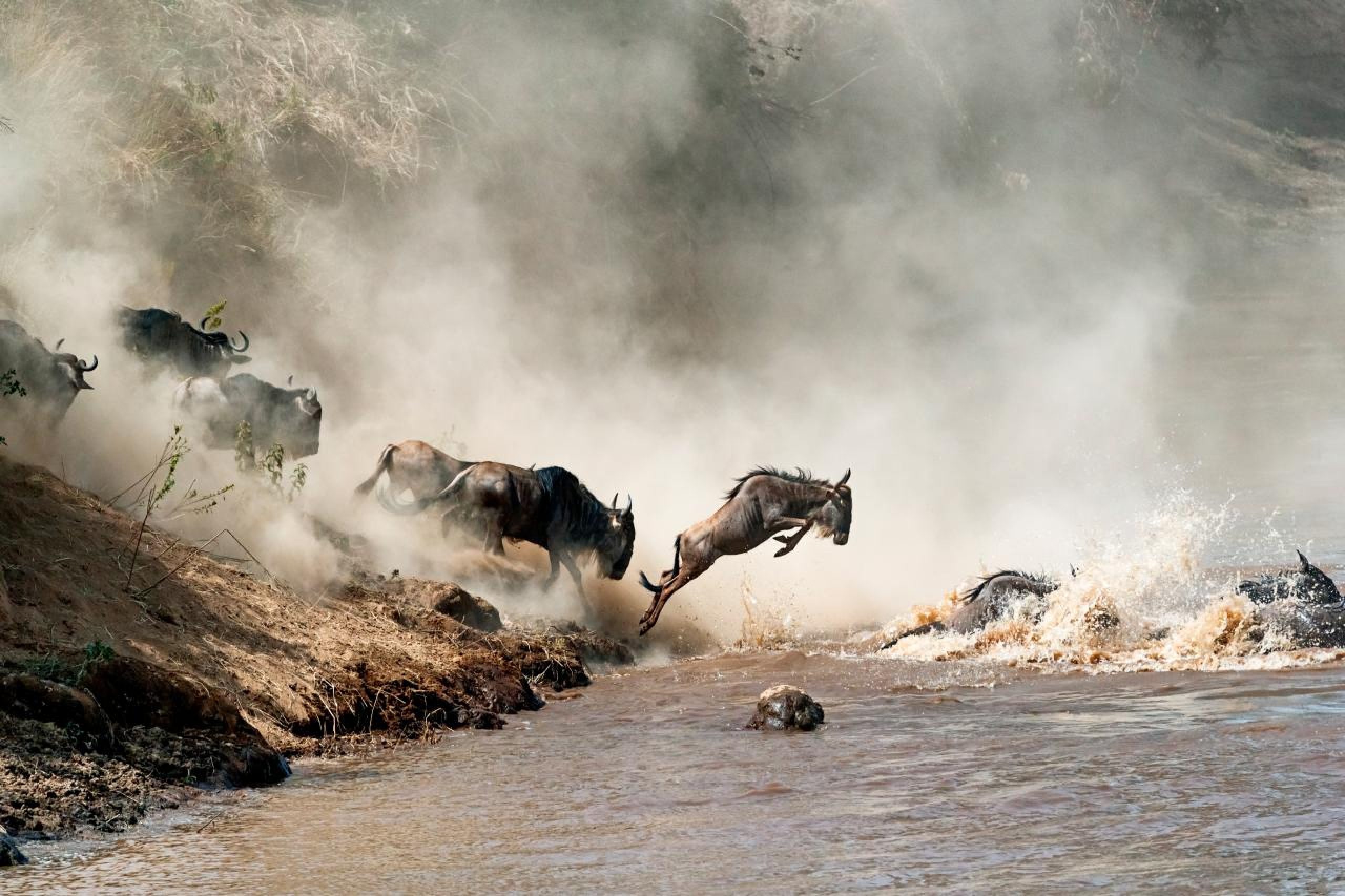
Ngorongoro Crater is home to a wide range of wildlife, making it a great place for game viewing in northern Tanzania. During a safari, you can see lions, elephants, buffaloes, zebras, wildebeest, hippos, hyenas and gazelles across the crater’s grasslands, wetlands and woodlands.
The crater is also known for its population of black rhinos, giving visitors a chance to see one of Africa’s endangered large mammals. Depending on the season and wildlife movements, you may also spot jackals, warthogs, servals and many different bird species.
This Ngorongoro Crater Day Trip Complete Guide helps you understand what to expect, from wildlife viewing on the crater floor to exploring areas around Lake Magadi and Lerai Forest, where different animals can often be found.
What Is Included in the Ngorongoro Crater Day Tour?
A typical Ngorongoro Crater day tour from Arusha includes transportation, a professional safari guide, a 4×4 safari vehicle, a crater game drive and a picnic lunch. Park and conservation-area fees are normally included in the tour price, but it is always best to confirm the exact inclusions with your safari operator.
A typical day tour includes:
- Hotel pick-up and drop-off in Arusha
- Private 4×4 safari vehicle for the game drive
- Professional safari guide
- Ngorongoro Conservation Area and crater fees
- Full-day game drive inside the crater
- Picnic lunch and drinking water
- Crater rim viewpoints and wildlife viewing
- Return transportation to Arusha
Accommodation is generally not included in a day tour because you return to Arusha on the same day.
Inclusions vary depending on whether you choose a private or shared tour, so check your booking details before travelling.
What to Pack for Your Ngorongoro Crater Safari
Packing the right essentials can make your Ngorongoro Crater safari more comfortable and enjoyable. Since you will spend several hours in a safari vehicle and experience changing temperatures, it is best to prepare for both cool mornings and warmer conditions during the day. This Ngorongoro Crater Day Trip Complete Guide also helps you prepare for a comfortable and enjoyable safari.
- Lightweight, comfortable clothing – Choose neutral-colored clothes that are suitable for a full day outdoors.
- Warm layer or jacket – Mornings around the crater rim can be cool, especially during the dry season.
- Comfortable shoes – Useful for short walks at viewpoints and picnic areas.
- Sun protection – Bring sunglasses, a hat and sunscreen to protect yourself from the strong sun.
- Binoculars and camera – Helpful for viewing wildlife from a distance and capturing memorable moments.
- Reusable water bottle – Keep yourself hydrated throughout the safari.
- Insect repellent – Useful when spending time outdoors, particularly around vegetation and wetlands.
- Personal essentials – Carry any medication, toiletries and other items you may need during the day.
- Small day bag – A compact backpack is convenient for keeping your essentials within easy reach.
How Far Is Ngorongoro Crater from Arusha?
The Ngorongoro Crater is approximately 180 km from Arusha by road, and the journey usually takes around 3–4 hours, depending on road conditions, traffic and your exact starting point in Arusha.
The route takes you west from Arusha through the countryside and toward the Ngorongoro Highlands, passing areas such as Makuyuni and Karatu before reaching the Ngorongoro Conservation Area. From the main entrance, the road continues toward the crater rim, where you can enjoy spectacular views before descending into the crater for your game drive.
Because of its relatively close distance from Arusha, the crater can be visited as a full-day safari, making it a popular choice for travellers with limited time in northern Tanzania. This Ngorongoro Crater Day Trip Complete Guide provides more information to help you plan your visit.
Ngorongoro Crater day trip packages?
Our packages are designed for travellers who want to explore the crater in one day from Arusha. Each package includes a guided game drive through the crater, with opportunities to see wildlife, enjoy the dramatic scenery and experience the unique landscape of the Ngorongoro Conservation Area.
You can choose a private safari for a more flexible and personalised experience or a shared safari for a more budget-friendly option. Packages can also be arranged according to your travel style, including budget, mid-range and more comfortable safari experiences.
A typical package includes transportation from Arusha, a 4×4 safari vehicle, a professional safari guide, conservation and crater fees, a game drive, a picnic lunch and drinking water. The exact inclusions depend on the package you select.
For travellers with more time, this safari experience can also be combined with Serengeti, Tarangire, Lake Manyara or other northern Tanzania destinations to create a longer safari itinerary.
Ngorongoro Crater Day Trip FAQ
How far is Ngorongoro Crater from Arusha?
Ngorongoro Crater is approximately 180 km from Arusha, and the drive usually takes around 3 hours, depending on road and traffic conditions.
Can I visit Ngorongoro Crater on a day trip from Arusha?
Yes. Ngorongoro Crater can be visited as a full-day safari from Arusha, although it involves an early start and a long day on the road.
What is the best time to visit Ngorongoro Crater?
Ngorongoro can be visited throughout the year. Your choice of travel season depends on your preferred weather, wildlife experience, scenery and overall safari plans.
Can I see black rhinos in Ngorongoro Crater?
Yes. The Ngorongoro ecosystem supports the endangered black rhinoceros, and the crater is an important area for the species, although sightings cannot be guaranteed.
What Can You See at Ngorongoro Crater?
You may see lions, elephants, buffaloes, zebras, wildebeest, hippos, hyenas and black rhinos. The crater supports a high concentration of wildlife throughout the year.
Is Ngorongoro Crater worth visiting?
Yes. The crater combines concentrated wildlife, spectacular scenery and a unique volcanic landscape, making it one of northern Tanzania’s major safari destinations.
Can I combine Ngorongoro Crater with Serengeti?
Yes. Ngorongoro is commonly included in a Northern Tanzania safari together with destinations such as Serengeti National Park and can be incorporated into a longer itinerary.
Plan your Trip
Ready to start planning your own incredible adventure?
We make the process stress-free and enjoyable.