
Selous Game Reserve is Africa’s world’s largest protected wildlife area. It is occupying 55,000 sq Km (about sq miles). It was named after Englishman Sir Frederick Selous, a famous big game hunter and early conservationist, who died in in this territory in 1917 while fighting against the Germans in World War I. It was designated a UNESCO World Heritage site in 1982 due to the diversity of its wildlife and undisturbed nature. Brief description: The reserve covers a total area of 54,600 km² (21,081 square miles). Some of the typical animals of the Savanna (i.e. the reserve covers a total area of 54,600 km² (21,081 square miles). Some of the typical animals of the Savanna (i.e. Large numbers of elephants, black rhinoceroses, cheetahs, giraffes, hippopotamuses and crocodiles live in this immense sanctuary, which measures 50,000 km 2 and is relatively undisturbed by human impact. The park has a variety of vegetation zones, ranging from dense thickets to open wooded grasslands can be found in this park in a larger numbers than in any other African park. Location: The Park is located in the Southern part of Tanzania just 7 hours of drive from Dar-es-salaam. Best time to visit: Only during the dry season from June to October. Bird life: Different species of birds around (350 catalogued species) have been recorded including green-headed oriole, crested lark and African snipe. Wildlife: Selous boat of Tanzania largest elephant population as well as large number of buffaloes, hippos and wild dogs. Other species commonly seen are lions, bushbucks, impalas, giraffes, elands, baboons, zebras, and greater kudus. Rufiji River: A Unique way to observe wildlife and see some of the best scenery in the Reserve is by boat on the sprawling Rufiji River. Most Camps offer this facility, while a Cruise on Lake Tangalala is a must for visitor to Beho beho. Access: Only 4.W.D (wheel drive) vehicle is obligatory for driving inside the reserve or even reaching it. The northern access is a 350 Km drive, 7 hours from Dar-es-salaam via the beautiful Mountain road South from Morogoro to the Matambwe gate. The south stern access is a 240-Km drive. (7-9 hours) from Dar-es salaam via Kibiti, Mkongo and Mloka Mtemere gate. The 133-Km stretch from Dar-es-salaam to Kibiti is a tarmac road and the next 33-Km to Mkongo, where one has turn right (west) is an all weather dirt surface track. The final 74 Km can become temporarily impossible during heavy rains. The 1860 Km Tanzania–Zambia Railway (TAZARA) Passes through the northern edge of the reserve, Selous can also be reached by chartered light aircraft from Dar-es salaam within an hour. Also a local airline provides scheduled flights. To do: Walking safaris with a ranger and 4-wheel drive safaris. A trip to stiegher’s Gorge where the Rufiji and Ruaha rivers meet, A fishing game trip on the Tagalala Lake. Accommodation: The Selous have at fine campsite and lodge; some of them are Rufiji River Camp, sable Mountain Lodge, sand River Selous, Selous Mbega Camp and Selous safari Camp. |
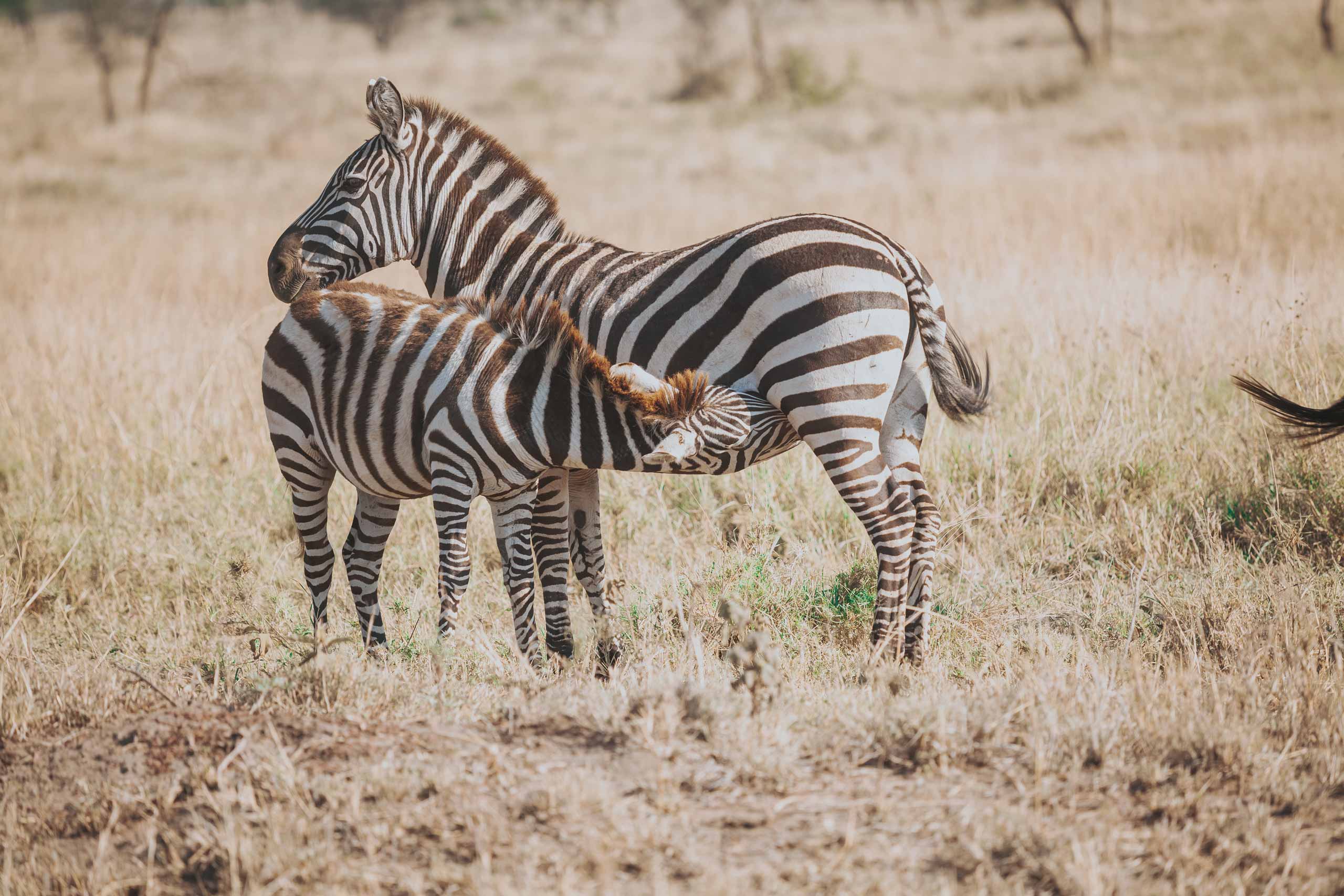 Serengeti National Park
Selous Game Reserve is Africa’s world’s largest protected wildlife area. It is occupying 55,000 sq Km (about sq miles). It was named after Englishman Sir Frederick Selous, a famous big game hunter and early conservationist, who died in in this territory in 1917 while fighting against the Germans in World War I. It was designated a UNESCO World Heritage site in 1982 due to the diversity of its wildlife and undisturbed nature. Brief description: The reserve covers a total area of 54,600 km² (21,081 square miles). Some of the typical animals of the Savanna (i.e. the reserve covers a total area of 54,600 km² (21,081 square miles). Some of the typical animals of the Savanna (i.e. Large numbers of elephants, black rhinoceroses, cheetahs, giraffes, hippopotamuses and crocodiles live in this immense sanctuary, which measures 50,000 km 2 and is relatively undisturbed by human impact. The park has a variety of vegetation zones, ranging from dense thickets to open wooded grasslands can be found in this park in a larger numbers than in any other African park. Location: The Park is located in the Southern part of Tanzania just 7 hours of drive from Dar-es-salaam. Best time to visit: Only during the dry season from June to October. Bird life: Different species of birds around (350 catalogued species) have been recorded including green-headed oriole, crested lark and African snipe. Wildlife: Selous boat of Tanzania largest elephant population as well as large number of buffaloes, hippos and wild dogs. Other species commonly seen are lions, bushbucks, impalas, giraffes, elands, baboons, zebras, and greater kudus. Rufiji River: A Unique way to observe wildlife and see some of the best scenery in the Reserve is by boat on the sprawling Rufiji River. Most Camps offer this facility, while a Cruise on Lake Tangalala is a must for visitor to Beho beho. Access: Only 4.W.D (wheel drive) vehicle is obligatory for driving inside the reserve or even reaching it. The northern access is a 350 Km drive, 7 hours from Dar-es-salaam via the beautiful Mountain road South from Morogoro to the Matambwe gate. The south stern access is a 240-Km drive. (7-9 hours) from Dar-es salaam via Kibiti, Mkongo and Mloka Mtemere gate. The 133-Km stretch from Dar-es-salaam to Kibiti is a tarmac road and the next 33-Km to Mkongo, where one has turn right (west) is an all weather dirt surface track. The final 74 Km can become temporarily impossible during heavy rains. The 1860 Km Tanzania–Zambia Railway (TAZARA) Passes through the northern edge of the reserve, Selous can also be reached by chartered light aircraft from Dar-es salaam within an hour. Also a local airline provides scheduled flights. To do: Walking safaris with a ranger and 4-wheel drive safaris. A trip to stiegher’s Gorge where the Rufiji and Ruaha rivers meet, A fishing game trip on the Tagalala Lake. Accommodation: The Selous have at fine campsite and lodge; some of them are Rufiji River Camp, sable Mountain Lodge, sand River Selous, Selous Mbega Camp and Selous safari Camp. |
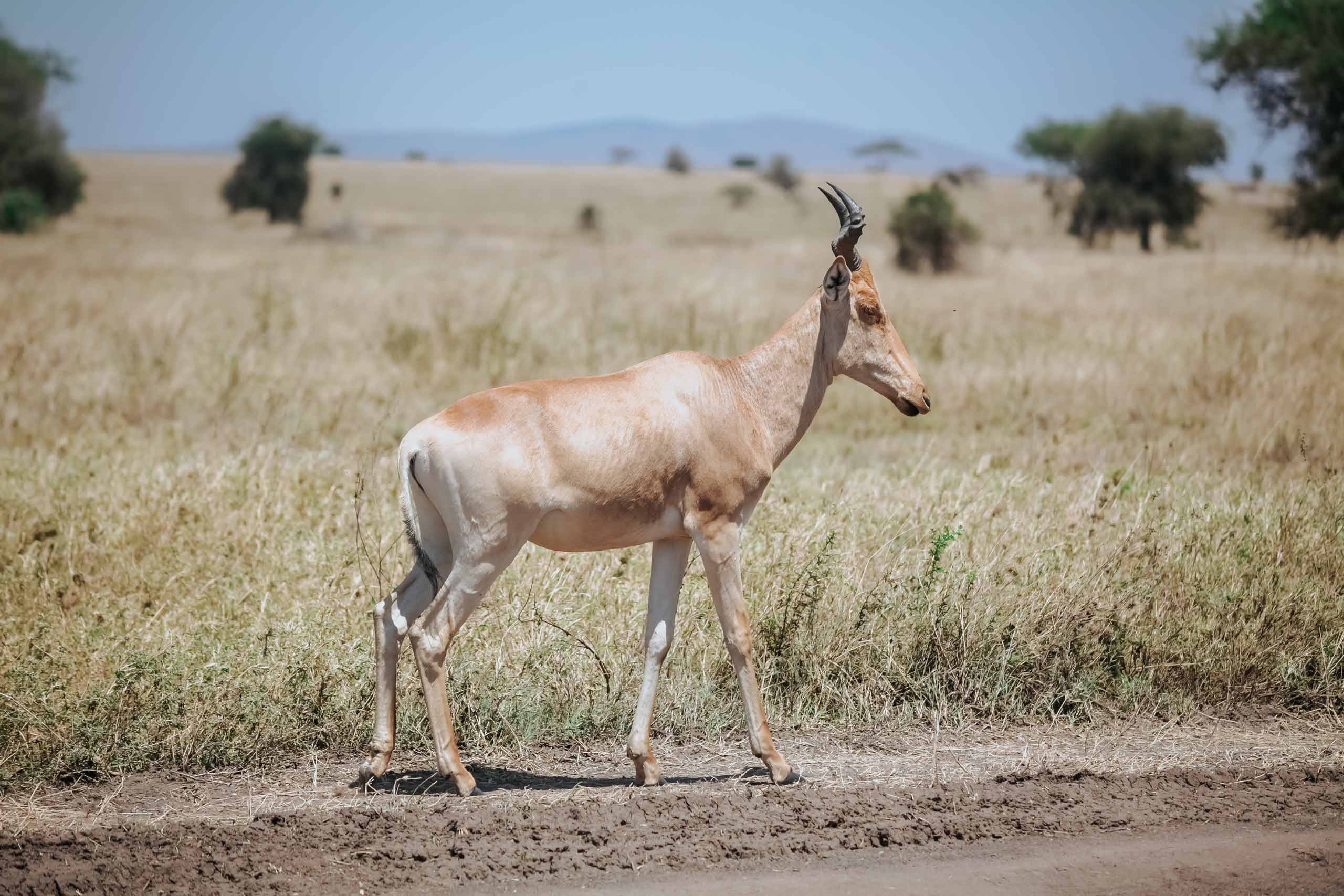 Serengeti National Park


