
Serengeti Vs Masai mara
Discover the differences between Serengeti and Masai Mara, including wildlife, the Great Migration and the best time for a safari.
When planning an African safari, two of the most popular wildlife destinations are Serengeti National Park in Tanzania and Masai Mara National Reserve in Kenya. Both are famous for the Great Wildebeest Migration, diverse wildlife and excellent opportunities to see the Big Five, including lions, elephants, leopards, buffaloes and rhinos. However, they differ in size, landscapes, wildlife experiences, accommodation options and safari activities.
In this guide, we explore Serengeti vs Masai Mara, comparing their location, size, wildlife, safari experiences and the best places to witness the Great Migration. We also look at the best time to visit each destination, helping you understand what makes them unique and choose the right destination for your African safari.
What Are the Main Differences Between the Serengeti and Masai Mara?
The main differences between Serengeti National Park in Tanzania and Masai Mara National Reserve in Kenya include their geographical location, size, landscapes, wildlife, migration patterns and safari experiences. The Serengeti covers approximately 14,750 km², making it much larger than the Masai Mara, which covers approximately 1,510 km². Both destinations are internationally recognized for their rich wildlife, open savannahs and outstanding opportunities for game viewing.
Although both parks are part of the same Mara–Serengeti ecosystem and host the annual Great Wildebeest Migration, each offers a different safari experience. The Serengeti is famous for its vast grasslands, diverse wildlife habitats, large elephant populations and year-round game viewing. The Masai Mara, on the other hand, is known for its rolling grasslands, high concentrations of predators and excellent opportunities to spot lions, cheetahs and leopards. The timing and location of wildlife sightings also vary throughout the year, particularly during the migration season. Understanding these differences can help you decide whether a safari in Tanzania’s Serengeti or Kenya’s Masai Mara better suits your travel interests, schedule and budget.
Where are the Serengeti and Masai Mara Located ?
The Serengeti National Park is located in northern Tanzania, in the eastern part of the Mara–Serengeti ecosystem. It borders Kenya to the north, the Ngorongoro Conservation Area to the southeast and extends towards Lake Victoria in the west. The park is part of Tanzania’s famous Northern Safari Circuit and can be accessed from Arusha by road or domestic flight.
The Masai Mara National Reserve is located in southwestern Kenya, along the country’s border with Tanzania. It forms the northern extension of the Serengeti ecosystem and is approximately 270 kilometres (168 miles) from Nairobi by road, depending on the route. When considering Serengeti vs Masai Mara, their close geographical connection is important because wildlife, particularly wildebeest and zebras, moves freely across the wider ecosystem during the Great Migration.
How Big Are the Serengeti and Masai Maraa?
The main difference in size between the Serengeti and Masai Mara is that Serengeti National Park is almost ten times larger than Masai Mara National Reserve. The Serengeti covers approximately 14,750 km² (5,695 square miles) in northern Tanzania, while the Masai Mara covers approximately 1,510 km² (583 square miles) in southwestern Kenya.
Because of its larger size, the Serengeti offers extensive savannah plains, woodlands, river valleys and diverse wildlife habitats spread across different regions. Visitors can explore Central Serengeti, Northern Serengeti, Western Serengeti and the southern plains, each offering different wildlife experiences throughout the year. The smaller Masai Mara has extensive open grasslands and relatively concentrated wildlife viewing areas, making it popular for game drives and predator sightings. When considering Serengeti vs Masai Mara, their different sizes influence safari routes, travel time, wildlife distribution and the overall safari experience.
What Is the Mara-Serengeti Ecosystem?
The Mara–Serengeti ecosystem is a vast Transboundary wildlife region spanning northern Tanzania and southwestern Kenya. It includes Serengeti National Park and the Masai Mara National Reserve, along with surrounding conservation areas. The ecosystem is famous for its diverse wildlife, extensive savannahs and the annual Great Wildebeest Migration, making it one of Africa’s most important wildlife destinations.
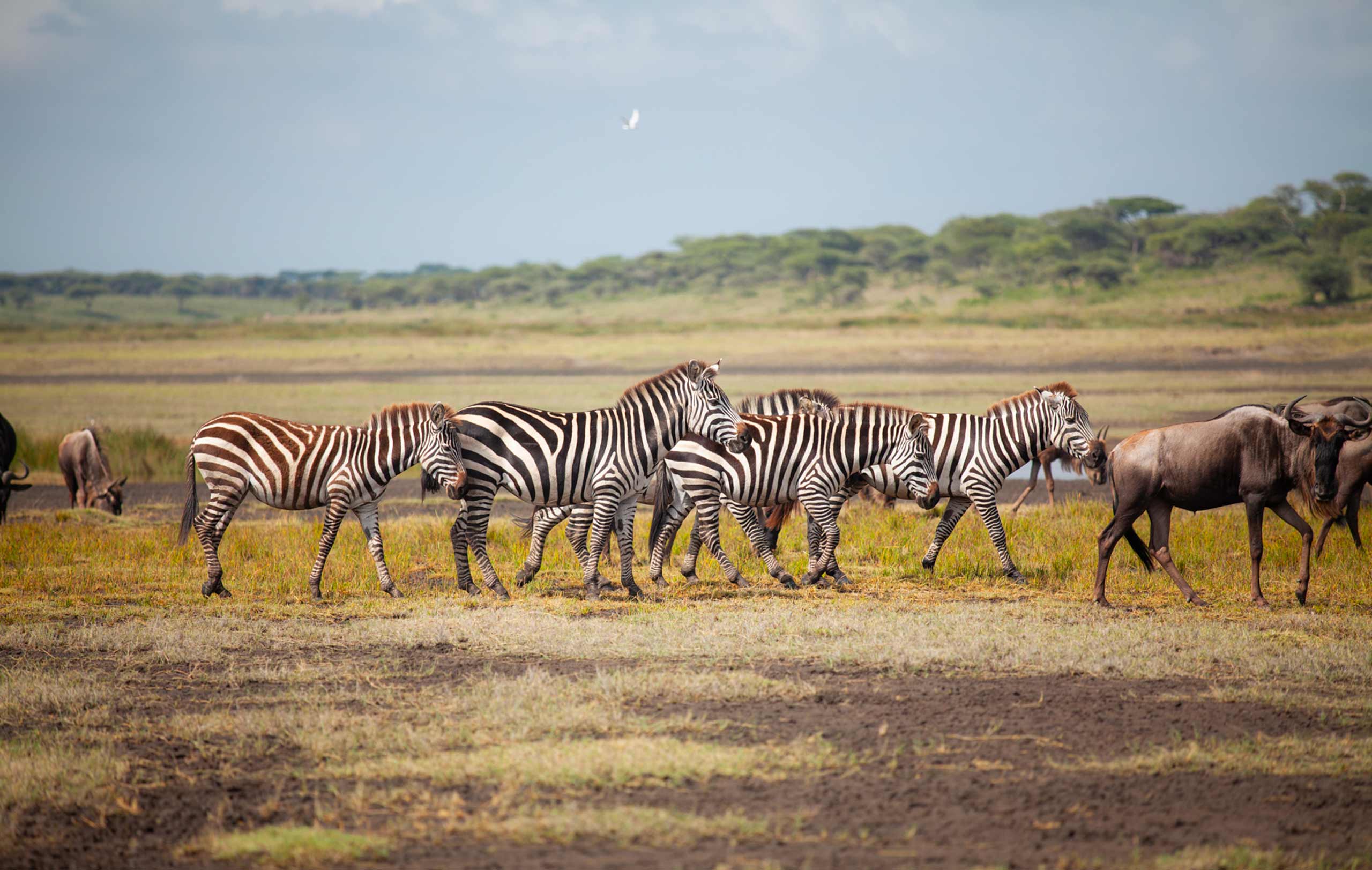
The Serengeti is home to more than 70 species of large mammals and approximately 500 bird species, while the Masai Mara supports abundant wildlife, including lions, elephants, leopards, buffaloes and rhinos. Each year, millions of wildebeest, zebras and gazelles move across the ecosystem in search of fresh grass and water. This seasonal movement, known as the Great Wildebeest Migration, attracts predators such as lions, cheetahs and crocodiles, creating remarkable wildlife-viewing opportunities. Understanding this shared ecosystem helps explain the connection between the Serengeti vs Masai Mara and why both destinations are central to East African safari experiences.
Where Is the Best Place to See the Great Migration?
The best place to see the Great Wildebeest Migration depends on the time of year, as the herds move between Tanzania’s Serengeti National Park and Kenya’s Masai Mara in search of fresh grass and water. The Serengeti offers migration-viewing opportunities throughout much of the year, while the Masai Mara is particularly popular from July to October, when wildebeest often cross the Mara River.
From January to March, large herds gather in the southern Serengeti and Ndutu plains, where wildebeest calving takes place. Between April and June, the herds generally move through the central and western Serengeti, with some crossing the Grumeti River. From July to October, many head towards the northern Serengeti and Masai Mara, where dramatic Mara River crossings may occur. By November and December, the herds typically begin moving back towards the eastern and southern Serengeti as seasonal rains encourage fresh grass growth.
When comparing Serengeti vs Masai Mara for the Great Migration, the Serengeti offers a wider range of locations to follow the herds throughout the year, while the Masai Mara is an excellent choice during the migration’s northern phase. However, the exact timing and location of the herds vary with rainfall and grazing conditions, and river crossings are never guaranteed. Choosing the right region for your travel dates is therefore essential for maximizing your chances of witnessing this remarkable wildlife event.
Can You Watch the Great Migration at the Mara River?
The best place to see the Great Wildebeest Migration depends on the time of year, as the herds move between Tanzania’s Serengeti National Park and Kenya’s Masai Mara in search of fresh grass and water. The Serengeti offers migration-viewing opportunities throughout much of the year, while the Masai Mara is particularly popular from July to October, when wildebeest often cross the Mara River.
From January to March, large herds gather in the southern Serengeti and Ndutu plains, where wildebeest calving takes place. Between April and June, the herds generally move through the central and western Serengeti, with some crossing the Grumeti River. From July to October, many head towards the northern Serengeti and Masai Mara, where dramatic Mara River crossings may occur. By November and December, the herds typically begin moving back towards the eastern and southern Serengeti as seasonal rains encourage fresh grass growth.
When comparing Serengeti vs Masai Mara for the Great Migration, the Serengeti offers a wider range of locations to follow the herds throughout the year, while the Masai Mara is an excellent choice during the migration’s northern phase. However, the exact timing and location of the herds vary with rainfall and grazing conditions, and river crossings are never guaranteed. Choosing the right region for your travel dates is therefore essential for maximizing your chances of witnessing this remarkable wildlife event.
Which Park Offers the Best Chance of Seeing the Big Five?
Both Serengeti National Park in Tanzania and Masai Mara National Reserve in Kenya offer excellent opportunities to see the African Big Five: lions, leopards, elephants, buffaloes and rhinos. However, sightings depend on the season, location and time spent on game drives. The Serengeti is known for its diverse wildlife and extensive habitats, while the Masai Mara is particularly famous for its large lion prides and excellent opportunities to spot cheetahs. When planning a Serengeti vs Masai Mara safari, wildlife diversity is an important factor to consider.
In the Serengeti, the Seronera Valley in Central Serengeti is a popular area for spotting lions and leopards, while elephants and buffaloes can be seen across several regions. The Masai Mara also offers rewarding wildlife viewing throughout the year, especially during the dry season from June to October, when animals often gather around reliable water sources and predators are easier to spot.
For travellers comparing Serengeti vs Masai Mara, combining a Serengeti safari with the nearby Ngorongoro Crater can provide additional opportunities to see the Big Five. The crater supports a high concentration of wildlife, including lions, elephants, buffaloes, leopards and the endangered black rhino. Although no safari can guarantee sightings of all five animals, visiting both destinations in Tanzania can offer a varied wildlife experience with excellent game-viewing opportunities.


Which Has Better Scenery: Serengeti or Masai Mara?
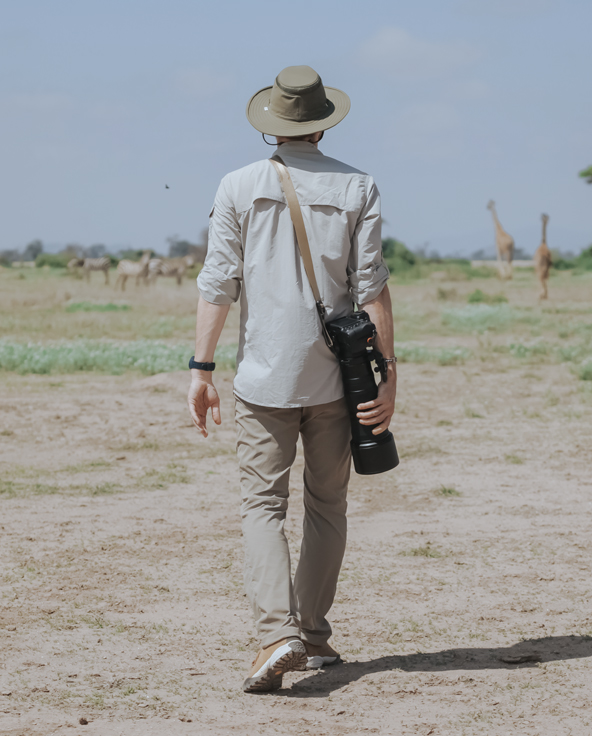
Both Serengeti National Park in Tanzania and Masai Mara National Reserve in Kenya offer beautiful African safari landscapes, but they have different scenery. The Serengeti is famous for its vast, open grasslands, scattered acacia trees, rocky outcrops known as kopjes, river valleys and seasonal green plains. Its expansive landscapes create the feeling of endless wilderness, with scenery that changes across the park’s different regions.
The Masai Mara is known for its rolling grasslands, gently sloping hills, scattered trees and wooded riverbanks. Although it also has wide open plains, its landscape often appears more varied across smaller areas, with hills and patches of woodland adding contrast to the scenery.
siringet, commonly translated as “endless plains,” while Mara means “spotted,” describing the appearance of the landscape dotted with trees and patches of shade. When choosing between Serengeti vs Masai Mara, the Serengeti may appeal more to travellers who prefer vast, open horizons and diverse landscapes, while the Masai Mara offers a mix of rolling hills, open savannah and scattered woodland. Both provide excellent scenery for wildlife viewing and safari photography.
Which Destination Is Better for Experiencing Maasai Culture and Local Traditions?
The Serengeti and Masai Mara regions both offer opportunities to experience Maasai culture, as the Maasai people have a long history across northern Tanzania and southwestern Kenya. They are known for their traditional red clothing, colourful beadwork, music, dances and pastoral heritage, which remain important parts of their cultural identity.
Near Tanzania’s Serengeti, visitors can arrange cultural visits to Maasai communities around the Ngorongoro Conservation Area. These visits offer opportunities to learn about traditional homes, livestock keeping, local customs and everyday community life. Around Kenya’s Masai Mara, travellers can also visit Maasai villages and learn about local traditions and cultural practices.
When comparing Serengeti vs Masai Mara for Maasai cultural experiences, the choice depends on your safari route and the communities you wish to visit. Travellers exploring Tanzania can combine a Serengeti safari with a cultural visit near Ngorongoro, bringing wildlife viewing and local traditions into one itinerary.
Which Is Better for Birdwatching:Serengeti or MasaiMara?
The Serengeti is an excellent bird-watching destination, with more than 500 recorded bird species. Its open grasslands, acacia woodlands, wetlands and riverbanks support a wide variety of resident and migratory birds. The Masai Mara in Kenya also offers rich birdlife, including eagles, vultures, ostriches, secretary birds and colourful bee-eaters.
The best time for bird watching in both destinations is generally November to April, when migratory birds arrive from Europe and North Africa. During this period, visitors can also observe breeding and nesting activity among many species. When considering Serengeti vs Masai Mara for bird watching, the Serengeti offers diverse bird habitats, while nearby Ngorongoro and Lake Manyara provide additional opportunities to spot water birds and other species during a northern Tanzania safari.
Is a Safari More Expensive in the Serengeti or Masai Mara?
The cost of a safari in the Serengeti or Masai Mara depends on park entrance fees, accommodation, transportation, and travel season and safari style. Both destinations offer budget, mid-range and luxury safari options, but the total cost can vary depending on where you stay and how many days you spend exploring each park.
The Masai Mara has higher entrance fees during its peak season, particularly from July to December, while the Serengeti has different seasonal park fees and additional concession charges for visitors staying inside the park. Accommodation prices also vary, with luxury lodges and tented camps generally costing more than budget campsites and mid-range properties. Therefore, neither destination is always cheaper than the other.
When comparing Serengeti vs Masai Mara, it is important to consider the complete safari budget rather than park entrance fees alone. Transport, private 4×4 safari vehicles, professional guides, meals, accommodation and additional activities all contribute to the final cost. Comparing these expenses will help you choose a safari that matches your budget and travel preferences.
How Do You Get to the Serengeti and Masai Mara?
You can reach Serengeti National Park in Tanzania and Masai Mara National Reserve in Kenya by road or domestic flight, depending on your starting point, budget and safari itinerary. Most visitors travelling to the Serengeti arrive through Kilimanjaro International Airport (JRO) or Arusha Airport, while international travellers visiting the Masai Mara usually arrive at Jomo Kenyatta International Airport (NBO) in Nairobi. When planning a Serengeti vs Masai Mara safari, understanding the arrival airports can help you organise your journey.
Getting to the Serengeti: From Arusha, visitors can travel by road to Serengeti National Park, with the journey taking approximately 6–8 hours depending on the entrance gate and safari destination. Alternatively, domestic flights from Arusha Airport or Kilimanjaro International Airport connect to airstrips within the Serengeti, including Seronera, Kogatende and Grumeti. Flying is a convenient option for travellers with limited time or those planning luxury safaris.
Getting to the Masai Mara: From Nairobi, visitors can drive to the Masai Mara in approximately 5–6 hours, depending on road conditions and the reserve entrance. Alternatively, scheduled and charter flights operate from Wilson Airport in Nairobi to several airstrips within the reserve, including Keekorok, Olkiombo and Mara Serena. Flying offers a quicker connection, particularly for travellers staying at remote safari camps.
When considering Serengeti vs Masai Mara, the main travel difference is the international arrival airport and ground transport arrangements. If you plan to visit both destinations on one East African safari, you will also need to arrange cross-border transfers, immigration procedures and suitable transport between Tanzania and Kenya.
FAQ - Serengeti vs Masai Mara
Is the Serengeti better than the Masai Mara for a safari?
Both destinations offer excellent safari experiences. The Serengeti is ideal for exploring vast landscapes, diverse wildlife habitats and different migration regions, while the Masai Mara is known for its open grasslands and high concentrations of predators.
Which is bigger, the Serengeti or Masai Mara?
Serengeti National Park is much larger, covering approximately 14,750 km², compared with the Masai Mara National Reserve, which covers approximately 1,510 km².
Can you see the Big Five in both the Serengeti and Masai Mara?
Yes. Both destinations are home to the Big Five: lions, leopards, elephants, buffaloes and rhinos. However, rhino sightings are less common than sightings of the other four animals.
Where is the best place to see the Great Wildebeest Migration?
Both destinations offer opportunities to witness the Great Wildebeest Migration. The Serengeti is particularly popular during the January–March calving season in the southern plains and the June–July migration through the Western Corridor. The Masai Mara is famous for wildebeest river crossings, generally between July and October.
When is the best time to visit the Serengeti and Masai Mara?
The best overall time to visit both destinations is generally June to October, when dry conditions make wildlife viewing easier. January to March is also an excellent period for witnessing the wildebeest calving season in the southern Serengeti.
Are the Serengeti and Masai Mara part of the same ecosystem?
Yes. They form part of the wider Mara–Serengeti ecosystem, a transboundary wildlife region spanning northern Tanzania and southwestern Kenya. This ecosystem supports millions of migrating wildebeest, zebras and gazelles.
Which destination has more lions, the Serengeti or Masai Mara?
Both destinations support large lion populations. The Serengeti is particularly well known for its extensive lion habitat, while the Masai Mara offers excellent opportunities to observe lions in its open grasslands.
How many days do you need for a Serengeti or Masai Mara safari?
A 3–4-day safari can provide a rewarding wildlife experience in either destination. However, 5–7 days allows more time to explore different areas, enjoy multiple game drives and increase opportunities to see a wider variety of wildlife.
Can you visit both the Serengeti and Masai Mara on one safari?
Yes. You can combine both destinations in one East African safari itinerary. However, you need to plan cross-border transfers, immigration procedures and vehicle arrangements, as well as allow enough time to explore each destination.
Is the Serengeti more expensive than the Masai Mara?
Safari costs vary depending on accommodation, season, transport, park fees and tour category. Both destinations offer budget camping, mid-range lodges and luxury safari experiences, so the total cost depends on your travel arrangements.
Plan your Trip
Ready to start planning your own incredible adventure?
We make the process stress-free and enjoyable.