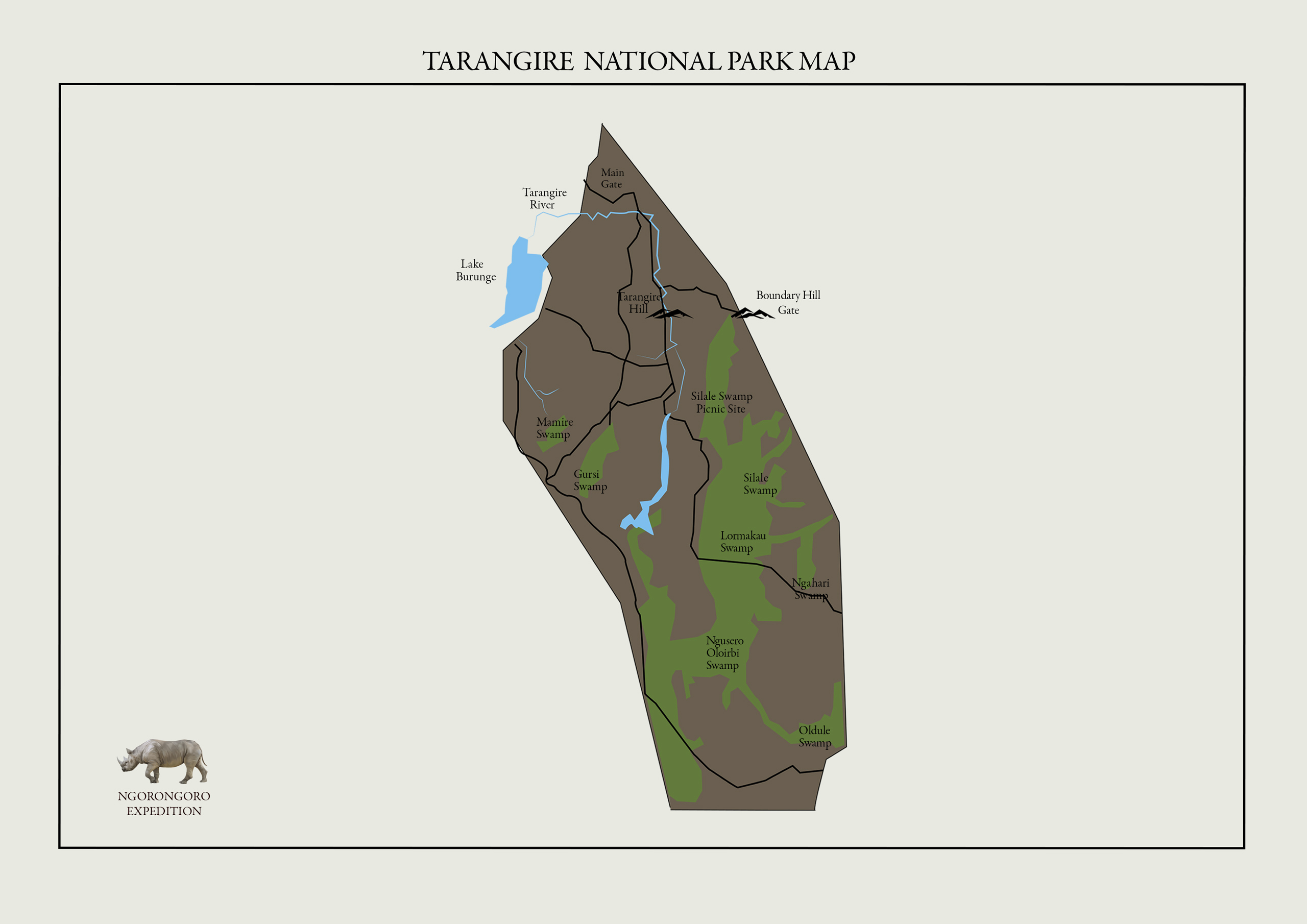
Tarangire National Park stands as the southernmost accessible park within Tanzania’s Northern Safari Circuit and is widely regarded as one of the country’s most remarkable wildlife destinations. The park takes its name from the Tarangire River, which flows through it from north to south and plays a crucial role in sustaining the ecosystem. Covering approximately 2,850 square kilometers (about 1,005 square miles), Tarangire lies to the east of Lake Manyara and is known for its vast open plains, seasonal wetlands, and striking landscapes dominated by baobab and acacia trees. The Tarangire River serves as an essential water source, especially during the dry season when large numbers of animals gather along its banks. The park supports rich biodiversity, including large Elephant herds, predators, and a wide variety of bird species, making Tarangire a highly rewarding destination for nature lovers and wildlife enthusiasts. TARANGIRE NATIONAL PARK LOCATION Tarangire National Park is located in northern part of Tanzania, about 120 kilometers (75 miles) south of Arusha and just east of Lake Manyara. It covers an area of approximately 2,850 square kilometers (1,100 square miles), making it one of the largest and most accessible parks in the region. Because of its location, the park is reachable within a 2- to 3-hour drive from Arusha, making it convenient for day trips or as part of longer safari itineraries. Travelers approaching from the north or west can enjoy scenic drives across rural landscapes and small villages before reaching the park gates. The surrounding region is known for its picturesque scenery, quiet wilderness, and accessibility, positioning Tarangire as a key destination for northern Tanzania safaris. The park is named after the Tarangire River, which flows through it from north to south and serves as the primary water source for wildlife, particularly during the dry season. Tarangire’s terrain includes open savannah plains, rolling hills, seasonal wetlands, and distinctive baobab and acacia trees. Elevations in the park range between 900 and 1,300 meters (2,950–4,265 feet) above sea level, providing diverse habitats for a wide variety of animals and birds. |
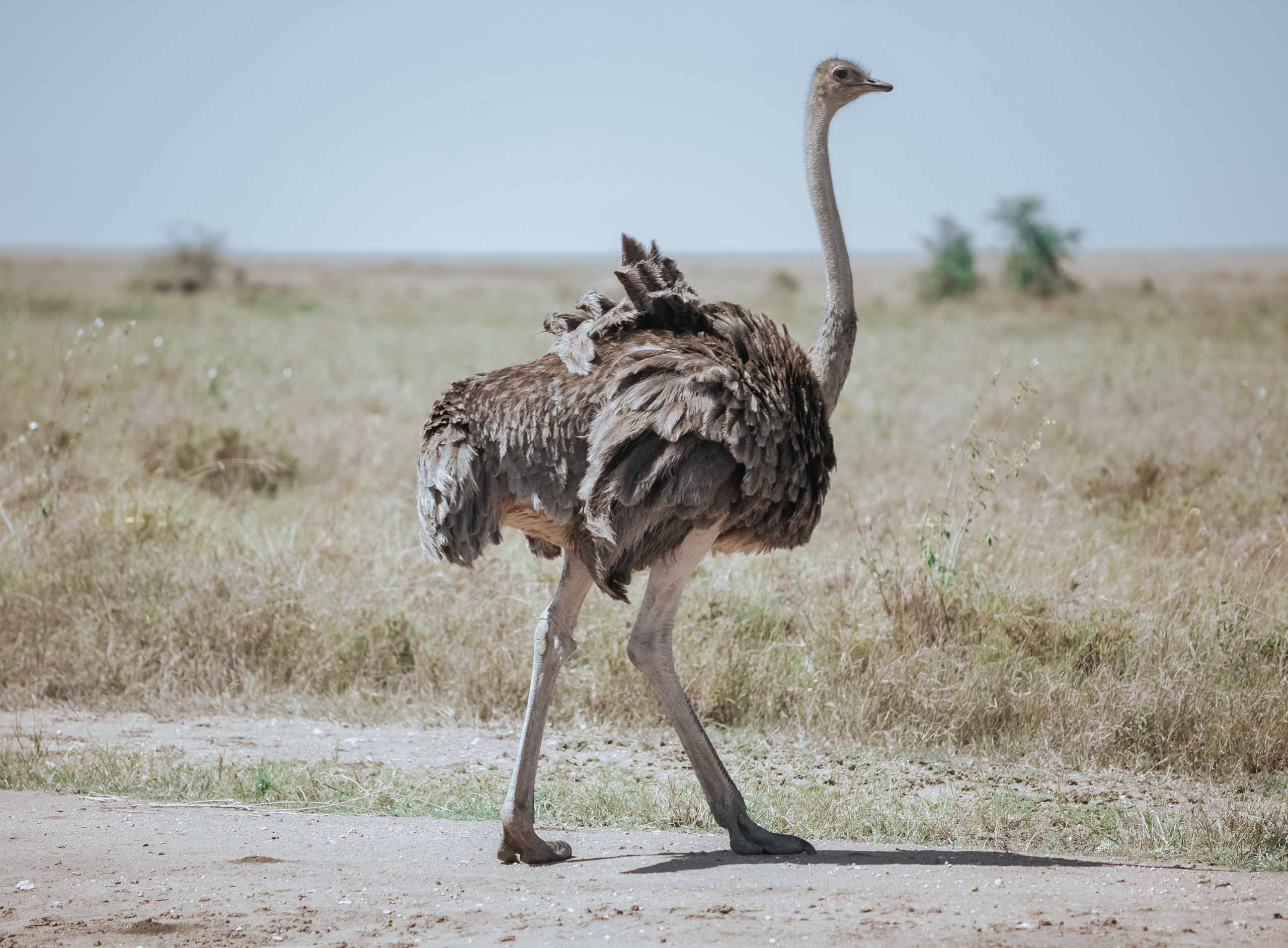
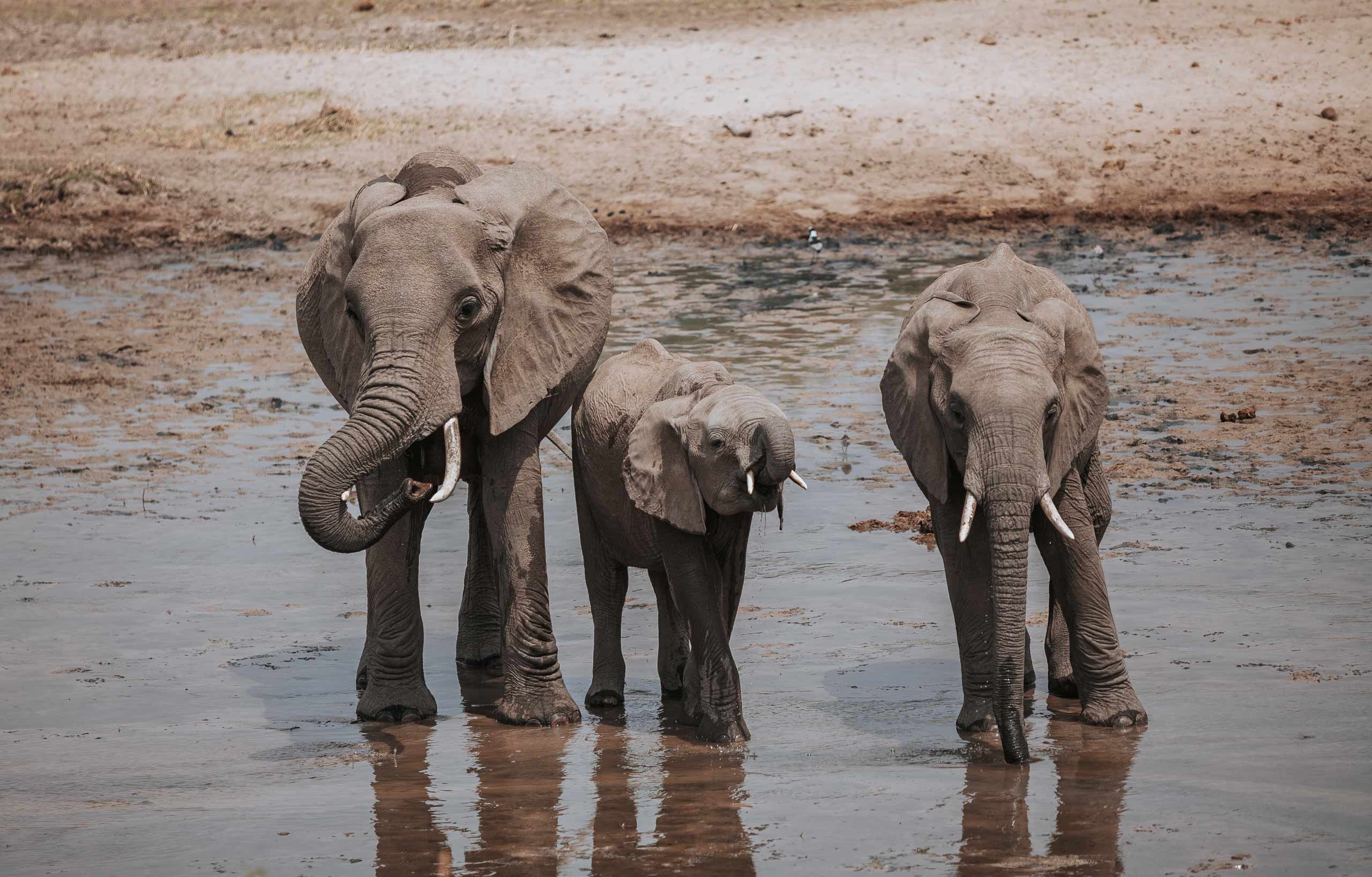
WILDLIFE IN TARANGIRE NATIONAL PARK Tarangire National Park is one of Tanzania’s best destinations for wildlife viewing, known for its spectacular concentration of animals during the dry season (June to October). The Tarangire River becomes the park’s lifeline, attracting vast numbers of animals from surrounding areas creating unforgettable safari experiences. TARANGIRE NATIONAL PARK ANIMALS Tarangire National Park is famous for its large Elephant population, with many herds frequently seen moving across open plains and gathering near the Tarangire River, especially during the dry season. Predators such as Lions, Leopards, Cheetahs, The park is home to a wide range of herbivores, including Giraffes, Zebras, Impalas, Buffaloes, Waterbucks, and Wildebeests that graze across its savannah landscapes and woodland areas. Tarangire’s diverse animal life includes both large and small mammals, making it one of the most wildlife-rich parks in northern Tanzania. From massive Elephants to powerful predators and grazing herbivores, the park offers an impressive and dynamic animal experience for safari visitors. TARANGIRE NATIONAL PARK BIRDS Tarangire National Park is one of the best bird watching destinations in Tanzania, with over 550 recorded bird species found throughout the park. Its varied landscapes, including rivers, swamps, savannahs, and woodlands, create ideal habitats for both resident and migratory birds. Along the Tarangire River and seasonal wetlands, visitors can often see water-associated birds such as fish eagles, storks, herons, ibises, and spoonbills. These species are commonly spotted near riverbanks and muddy pools, especially during the dry season when animals and birds concentrate around water sources. In the open savannah and woodland areas, colorful and striking birds are frequently observed. Lilac-breasted rollers, carmine bee-eaters, hoopoes, hornbills, and kingfishers add vibrant colors to the landscape. Raptors such as bateleur eagles, martial eagles, and vultures are also present, often seen soaring high above in search of food. Tarangire is particularly known for its migratory bird species, which arrive seasonally, making different times of the year exciting for bird enthusiasts. The park’s relatively quiet and less crowded environment allows for peaceful bird watching and excellent photography opportunities. |
TARANGIRE NATIONAL PARK VEGETATION Tarangire National Park is dominated by open savannah grasslands with scattered baobab and acacia trees. Along the Tarangire River and seasonal wetlands, there are riverine forests, reeds, and tall grasses. In drier areas, shrubs and hardy plants are common. This mix of grasslands, woodlands, and wetlands forms the main vegetation of the park. TARANGIRE NATIONAL PARK ACTIVITIES TO DO
Visitors explore the park in a safari vehicle to observe elephants, lions, giraffes, zebras, and other wildlife across the plains, woodlands, and along the Tarangire River.
Guided walks with an armed ranger allow visitors to experience nature up close, learn about animal tracks, plants, and the ecosystem.
Tarangire offers excellent bird viewing, especially near wetlands and river areas where many species can be seen.
The park’s baobab trees, open landscapes, and abundant wildlife make it a great destination for nature and wildlife photography.
Visitors can enjoy packed meals at designated picnic sites inside the park while watching wildlife in a natural setting.
HOTELS NEAR TARANGIRE NATIONAL PARK
|