
Best Things to do in Tanzania
Discover the best things to do in Tanzania, featuring top attractions and exciting adventures.
The best things to do in Tanzania include wildlife safaris in Serengeti National Park, exploring Ngorongoro Crater, Tarangire National Park, climbing Mount Kilimanjaro, and relaxing on Zanzibar’s beaches. Visitors can also experience Maasai culture, explore historic Stone Town, and discover Tanzania’s diverse landscapes.
Tanzania offers a wide range of experiences for different travel styles and budgets. Follow the Great Migration in the Serengeti, especially during the January–March calving season or the July–October river-crossing period, although sightings depend on wildlife movements. Visit Ngorongoro Crater for excellent opportunities to see the Big Five, including the endangered black rhino, or watch large elephant herds around the Tarangire River during the dry season.
For adventure, climb Mount Kilimanjaro on a six- to eight-day trek, depending on your chosen route and itinerary. In Zanzibar, explore Stone Town, visit spice farms, and unwind on white-sand beaches. If you have more time, consider exploring southern Tanzania’s national parks, scenic Rift Valley lakes, and local cultural communities.
Whether you are planning a short visit or a longer holiday, the best activities depend on your interests, travel dates, and available time. This guide highlights the top attractions and experiences to help you plan a memorable Tanzania trip.
Explore Serengeti National Park
Serengeti National Park is one of Tanzania’s most famous wildlife destinations, covering approximately 14,763 square kilometres of African savanna. It is best known for the Great Wildebeest Migration, when millions of wildebeest, zebras, and gazelles move across the plains in search of fresh grass. The park is also home to lions, leopards, cheetahs, elephants, and hundreds of bird species.
One of the best things to do in Tanzania is explore the Serengeti’s diverse landscapes and observe wildlife in its natural habitat. Central Serengeti is known for big cats, the Western Corridor for the Grumeti River, the Northern Serengeti for Mara River crossings, and the Southern Serengeti for wildebeest calving from January to March.
June to October is generally a popular time for wildlife viewing because drier conditions make animals easier to spot across the plains. However, the best time to visit depends on your interests and the seasonal movement of the Great Wildebeest Migration, including calving in the south and river crossings in the north.
Explore the Ngorongoro Crater
Ngorongoro Crater is one of Tanzania’s most famous wildlife destinations, located within the Ngorongoro Conservation Area between the Serengeti and Lake Manyara. Formed around three million years ago when a massive volcano collapsed, the crater is approximately 600 meters deep and covers about 260 square kilometres. Its grasslands, freshwater springs, and Lake Magadi support a wide variety of wildlife throughout the year.
One of the best things to do in Tanzania is to take a game drive across the crater floor to look for the Big Five: lions, elephants, buffaloes, leopards, and black rhinos. Visitors can also spot zebras, wildebeest, hippos, hyenas, and flamingos around Lake Magadi. Giraffes are generally absent from the crater floor because its steep walls limit their access.
Beyond wildlife viewing, the Ngorongoro Conservation Area is home to Olduvai Gorge, an important archaeological site where fossils and ancient stone tools have helped scientists understand early human evolution. Visitors can also enjoy the crater’s varied landscapes, from open grasslands and soda lakes to acacia woodlands and freshwater wetlands.
The crater offers excellent wildlife viewing year-round because many animals remain within its natural enclosure. The dry season, from June to October, is especially popular for game drives, though sightings vary with conditions and animal movements.
Visit Tarangire National Park
Tarangire National Park is one of Tanzania’s top wildlife destinations, covering approximately 2,850 square kilometres in the northern safari circuit. The park is famous for its large elephant herds, ancient baobab trees, diverse birdlife, and the Tarangire River, which attracts wildlife during the dry season.
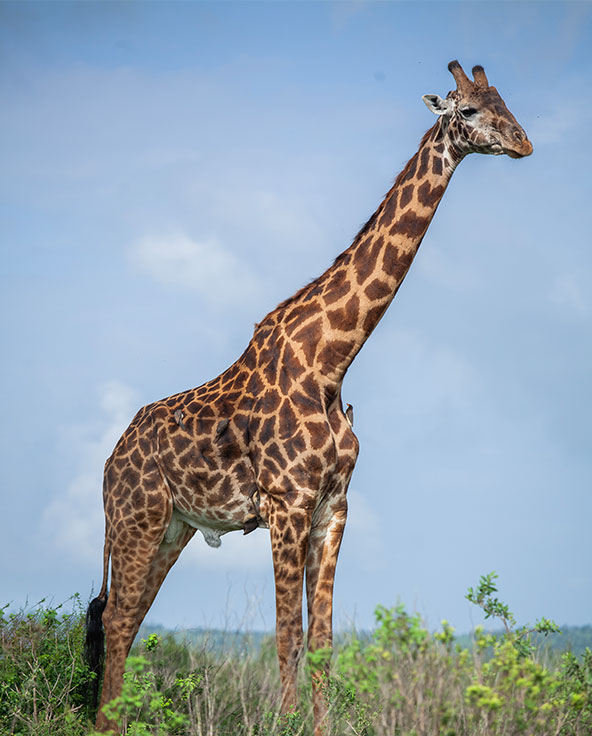
One of the best things to do in Tanzania is to take a game drive through Tarangire to see elephants, zebras, wildebeest, giraffes, buffaloes, and other wildlife. From June to October, animals gather around the river and remaining water sources, making this a popular time for wildlife viewing.
The park also offers excellent birdwatching, with hundreds of recorded bird species, including yellow-collared lovebirds, raptors, and colourful woodland birds. Its open savannas, river valleys, and seasonal swamps provide varied habitats for wildlife and beautiful opportunities for safari photography.
Tarangire is an excellent addition to a northern Tanzania safari, especially for travellers who want to see elephants and explore a quieter alternative to some of the region’s busier parks.


Discover Lake Manyara National Park
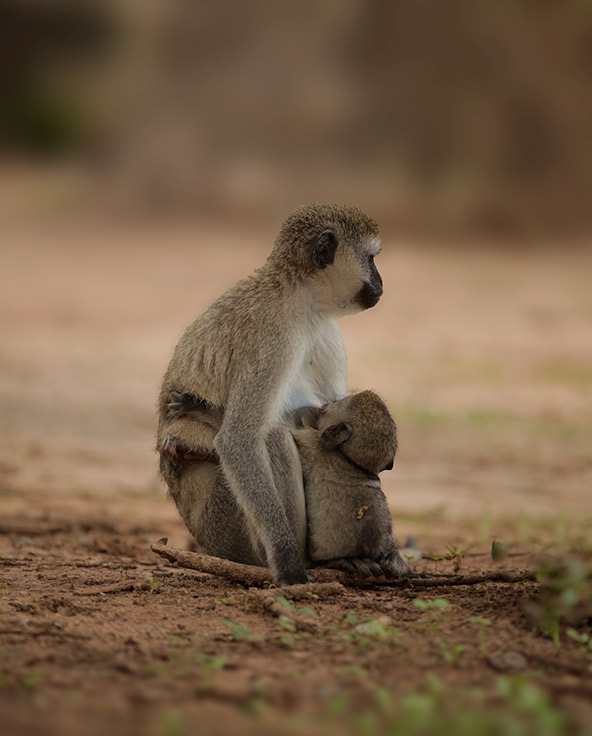
Lake Manyara National Park is one of Tanzania’s most scenic wildlife destinations, located at the base of the Great Rift Valley Escarpment. The park covers approximately 325 square kilometres and features groundwater forests, open grasslands, wetlands, and an alkaline lake. It is home to elephants, baboons, hippos, and more than 400 recorded bird species, including flamingos that gather along the lake when conditions are suitable.
Lake Manyara is famous for its tree-climbing lions, although sightings are not guaranteed. Visitors can also see large troops of baboons in the forest, elephants moving through shaded clearings, and hippos resting in pools near the water. The changing landscapes make the park a rewarding destination for wildlife viewing and photography.
Popular activities include game drives, birdwatching, and walking along the Lake Manyara Treetop Walkway when operating. For travellers choosing the best things to do in Tanzania, this park offers an excellent opportunity to experience wildlife and diverse scenery in one day. Its location near Mto wa Mbu also makes it a convenient stop on a northern Tanzania safari between Arusha and the Ngorongoro Conservation Area.
Climb Mount Kilimanjaro
Mount Kilimanjaro is Tanzania’s most iconic natural landmark and Africa’s highest mountain, rising 5,895 meters (19,341 feet) above sea level. Located in northeastern Tanzania, Mount Kilimanjaro National Park attracts hikers from around the world who want to experience its changing landscapes and reach Uhuru Peak. The mountain has three volcanic cones: Kibo, Mawenzi, and Shira. Its trails pass through cultivated foothills, tropical rainforests, alpine moorlands, and a high-altitude landscape near the summit.
Climbing Mount Kilimanjaro is one of the most rewarding things to do in Tanzania. Although the trek does not generally require technical climbing skills, reaching the summit requires good preparation, proper acclimatisation, and a suitable route. Popular options include the Machame Route, known for its scenic landscapes; the Lemosho Route, valued for its gradual ascent; the Northern Circuit, which allows more time for acclimatisation; and the Marangu Route, which offers hut accommodation instead of camping. Most climbs take between five and nine days, depending on the route.
The mountain can be climbed throughout the year, but January to March and June to October are generally popular periods because of their drier conditions. Choosing a route with enough time to acclimatise can improve your chances of reaching the summit safely. Along the way, hikers can experience diverse vegetation zones, spot forest wildlife, and enjoy spectacular views of the surrounding Tanzanian landscape.
Explore Zanzibar Island
Zanzibar is a beautiful tropical destination off the coast of mainland Tanzania, famous for its white-sand beaches, turquoise waters, and rich Swahili culture. The main island, Unguja, forms part of the Zanzibar Archipelago, along with Pemba and several smaller islands. Visitors can enjoy swimming, snorkelling, diving, traditional dhow sailing, and relaxing along the Indian Ocean coastline.
Exploring Zanzibar’s beaches is one of the best things to do in Tanzania, with each coastline offering a different experience. Nungwi and Kendwa, on the northern coast, are popular for swimming, soft sandy beaches, and spectacular sunsets. On the east and southeast coasts, Paje and Jambiani are known for kitesurfing, shallow lagoons, and traditional fishing villages.
Zanzibar’s tides vary by location, particularly along the east coast, where the sea can recede significantly during low tide. Checking local tide times helps you plan swimming and water activities. Beyond the beaches, visitors can explore historic Stone Town, visit spice farms, discover local culture, and enjoy fresh seafood. Zanzibar is also an excellent place to unwind after a wildlife safari or Mount Kilimanjaro climb.
Explore Stone Town
Stone Town is Zanzibar’s historic old town, located on the western coast of Unguja Island in Tanzania. Recognised as a UNESCO World Heritage Site in 2000, it is famous for its narrow streets, carved wooden doors, historic coral-stone buildings, and rich blend of African, Arab, Indian, and European cultures.
The main attractions in Stone Town include the Old Fort, Forodhani Gardens, Darajani Market, the Old Dispensary, and Christ Church Cathedral, built at the former slave market site. Visitors can explore historic architecture, browse local markets, learn about Zanzibar’s trading history, and sample traditional Swahili food.
Exploring Stone Town is one of the best things to do in Tanzania for travellers interested in history and culture. Walk through the winding alleys, admire traditional Zanzibari architecture, enjoy local street food at Forodhani Gardens in the evening, and discover the Swahili heritage that makes Zanzibar unique.
Visit a Maasai Village
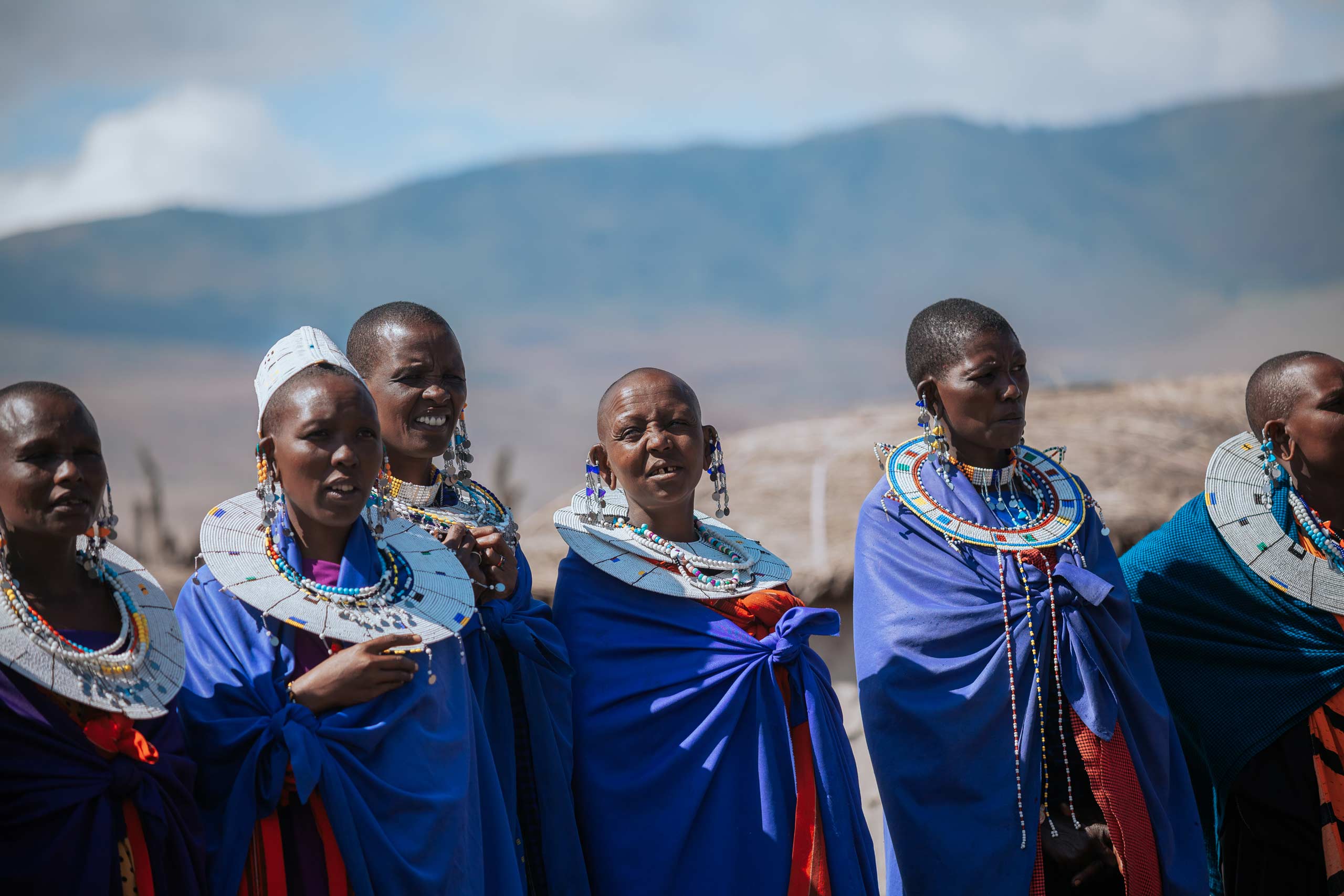
Visiting a Maasai village is one of the cultural experiences to enjoy in Tanzania, offering visitors a chance to discover traditional Maasai life, customs, and heritage. In northern Tanzania, particularly near the Ngorongoro Conservation Area, travellers can learn about the Maasai community and its long-standing pastoral traditions.
During a cultural visit, you may explore traditional Maasai homes, admire colourful beadwork, learn about traditional clothing, and experience local music and dance. Community members can also share insights into their history, livestock-keeping practices, and customs passed down through generations.
For travellers seeking meaningful things to do in Tanzania beyond wildlife safaris, a Maasai village visit offers a valuable cultural perspective. Choose a community-led experience that respects local traditions, supports residents, and provides opportunities to learn directly from Maasai people.
Discover Tanzania’s Local Food and Traditional Dishes
Tasting local cuisine is one of the best things to do in Tanzania, giving you a chance to experience the country’s culture through its food. Tanzanian cuisine blends African, Indian, and Arab influences, with popular dishes ranging from grilled meats and spiced rice to coconut curries and fresh seafood. In northern Tanzania, coastal towns, and Zanzibar, local restaurants and food markets offer opportunities to discover regional flavours and traditional cooking.
- Ugali na Nyama Choma: Grilled meat served with ugali and fresh tomato and onion salad.
- Pilau and Biryani: Aromatic spiced rice dishes popular across Tanzania.
- Urojo: A tangy Zanzibar soup topped with bhajia, cassava, and crispy snacks.
- Mishkaki: Marinated meat skewers grilled over charcoal.
- Chipsi Mayai: A popular street food made with French fries and eggs.
- Wali wa Nazi: Rice cooked in coconut milk, often served with fish or curry.
Visit Lake Natron
Visiting Lake Natron is one of the unique things to do in Tanzania, especially for travellers interested in flamingos, dramatic landscapes, and nature. Located in northern Tanzania near the Kenyan border, this shallow, mineral-rich soda lake lies beneath Ol Doinyo Lengai, an active volcano in the Great Rift Valley. Its striking colours, surrounding volcanic scenery, and rich birdlife make it a memorable destination.
Lake Natron is an important breeding ground for lesser flamingos, which gather here to feed and raise their young. Depending on water conditions and the season, the lake can appear pink or red due to salt-loving microorganisms. Below are the best things to do at Lake Natron:
- Flamingo Watching: Observe lesser flamingos feeding and gathering around the lake.
- Hike to Ngare Sero Waterfalls: Follow a guided trail through a rocky gorge to the waterfalls.
- Explore Maasai Culture: Learn about local Maasai traditions through a respectful, community-led visit.
- Enjoy Scenic Walks: Discover the lake’s unusual landscapes with a local guide.
Explore the Usambara Mountains
Usambara Mountains in northeastern Tanzania are known for their lush forests, green hills, mountain villages, and scenic viewpoints. Part of the Eastern Arc Mountains, this destination offers a peaceful alternative to traditional wildlife safaris, with opportunities for hiking, birdwatching, and discovering local culture.
Popular experiences include hiking through Magamba Rainforest, visiting Irente Viewpoint near Lushoto, and trekking between villages to enjoy panoramic views of the surrounding countryside. Local guides can also introduce visitors to the region’s unique plants, wildlife, and cultural traditions.
For travellers looking for nature, hiking, and cultural experiences, exploring the Usambara Mountains is one of the rewarding things to do in Tanzania. The dry seasons, from June to October and January to February, generally offer good conditions for walking and clearer views. Bring comfortable hiking shoes and a warm jacket for cool mountain evenings.
Track Chimpanzees in Gombe Stream National Park
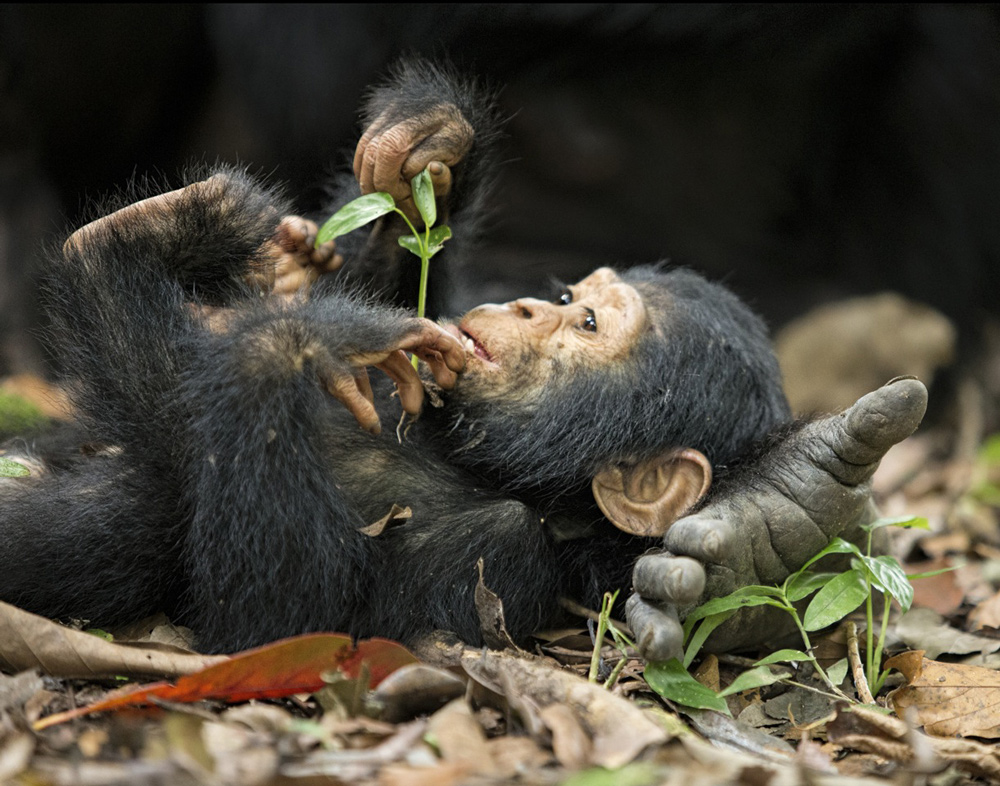
Gombe Stream National Park is a small national park in western Tanzania, located along the shores of Lake Tanganyika near Kigoma. It is famous for Jane Goodall’s pioneering chimpanzee research, which began in 1960, as well as its forested hills, waterfalls, and diverse wildlife. The park offers a unique experience away from Tanzania’s busier safari destinations.
Chimpanzee trekking is one of the most distinctive things to do in Tanzania, giving visitors the opportunity to observe wild chimpanzees with trained guides. You can also hike to Kakombe Waterfall, spot other primates, watch birds, and explore the lakeshore. The park is accessible by boat from Kigoma, so arrange transport and accommodation in advance. Visiting during the drier months, generally July to October, often provides better hiking conditions.
Explore Nyerere National Park on Safari
Nyerere National Park is a major wildlife destination in southern Tanzania, famous for boat safaris on the Rufiji River, African wild dogs, elephants, and vast, uncrowded wilderness. Covering approximately 30,000 square kilometres, the park offers a distinctive safari experience with river channels, open plains, and woodland habitats.
Boat safaris along the Rufiji River are among the most memorable things to do in Tanzania, offering opportunities to see hippos, crocodiles, elephants, and waterbirds. Visitors can also enjoy guided walking safaris and game drives to look for lions, giraffes, buffaloes, leopards, and endangered African wild dogs.
The dry season from June to October generally offers excellent wildlife viewing as animals gather near water sources. Travellers can reach the park by road or by safari flights from destinations such as Dar es Salaam and Zanzibar. Booking accommodation and transport in advance helps make your visit easier to plan.
Discover Ruaha National Park
Ruaha National Park is one of Tanzania’s best destinations for a wildlife safari, known for its large elephant herds, lions, ancient baobab trees, and wide-open wilderness. Located in south-central Tanzania, the park covers approximately 20,000 square kilometres, with landscapes ranging from open savannas and rocky hills to dry riverbeds and woodlands.
Game drives along the Great Ruaha River are among the most rewarding things to do in Tanzania, especially during the dry season when elephants, buffaloes, and other animals gather near remaining water sources. Visitors can also enjoy guided walking safaris, birdwatching, and opportunities to spot leopards, cheetahs, greater kudu, and endangered African wild dogs.
Ruaha is ideal for travellers seeking a quieter, more adventurous safari away from crowded wildlife destinations. June to October generally offers excellent game-viewing conditions, while the green season attracts migratory birds and transforms the landscape. The park can be reached by road from Iringa or by safari flights from Dar es Salaam and Arusha.
Enjoy Snorkeling and Diving in Zanzibar
Snorkelling and diving in Zanzibar are among the best things to do in Tanzania for travellers who want to explore colourful coral reefs and marine life in the Indian Ocean. The Zanzibar Archipelago offers warm tropical waters, vibrant coral gardens, and opportunities to see tropical fish, sea turtles, and dolphins in their natural environment.
Mnemba Atoll is one of Zanzibar’s most popular snorkelling and diving locations, known for its rich marine life and clear waters. Chumbe Island is another excellent choice for exploring protected coral reefs, while Pemba Island attracts divers with its deeper reefs and underwater landscapes. Guided excursions are available for beginners and experienced divers, depending on the location and sea conditions.
The best time for snorkelling and diving in Zanzibar generally includes June to October and January to February, although underwater visibility and sea conditions vary throughout the year. Before booking a trip, check local weather and tides with a reputable operator. Whether you choose a relaxing snorkelling excursion or a scuba diving adventure, Zanzibar offers a memorable way to discover Tanzania’s underwater world.
Take a Day Trip to Chemka Hot Springs
Chemka Hot Springs, also known as Kikuletwa Hot Springs, is a natural swimming spot near Moshi, Tanzania, known for its clear turquoise water and lush green surroundings. Visiting these springs is one of the relaxing things to do in Tanzania, especially for travellers looking to unwind after a wildlife safari or a Mount Kilimanjaro climb. Despite its name, the water is generally warm rather than hot, creating a refreshing setting for swimming and enjoying nature.
Visitors can swim in the natural pools, try the rope swing, relax beneath the surrounding trees, and enjoy local food such as grilled chicken and chips from nearby stalls. The springs are reached by road from Moshi or Arusha, with the final section usually following an unpaved road through rural villages and farmland. You can arrange a private transfer or join an organised day trip, depending on your travel plans.
The dry seasons generally offer more convenient road conditions, although Chemka Hot Springs can be visited throughout the year. Weekdays may be quieter than weekends, when the pools can become busy with local visitors and tourists. Bring swimwear, a towel, sunscreen, drinking water, and cash for the entrance fee and refreshments. If you are not a confident swimmer, take extra care because some sections are deep, and ask local staff about available flotation aids.
Experience a Walking Safari in Tanzania
A walking safari is one of the most rewarding things to do in Tanzania for travellers who want to experience African wildlife beyond a traditional game drive. Walking through the bush with a professional guide allows you to discover animal tracks, identify native plants, listen to bird calls, and learn how wildlife interacts with its natural environment. Instead of viewing nature only from a vehicle, you can appreciate the smaller details of the African wilderness while exploring on foot.
Some of the places offering walking safari experiences include Ruaha National Park, Nyerere National Park, and Arusha National Park, where permitted and subject to park regulations. In Arusha National Park, guided walks can take you through forested landscapes with views of Mount Meru, while Ruaha and Nyerere offer opportunities to explore remote wilderness and learn about animal tracks. Depending on the destination and itinerary, you can choose a short guided nature walk or a longer expedition with mobile camping.
The dry season, particularly from June to October, often provides good conditions for walking safaris because vegetation is generally thinner and wildlife is easier to observe. Every walk must follow local safety rules, with qualified guides and armed rangers where required by the park. Wear comfortable walking shoes, lightweight clothing, a hat, and sunscreen, and carry drinking water. Always follow your guide’s instructions, as walking safaris offer a closer connection to nature while requiring careful attention to wildlife safety.
Plan your Trip
Ready to start planning your own incredible adventure?
We make the process stress-free and enjoyable.