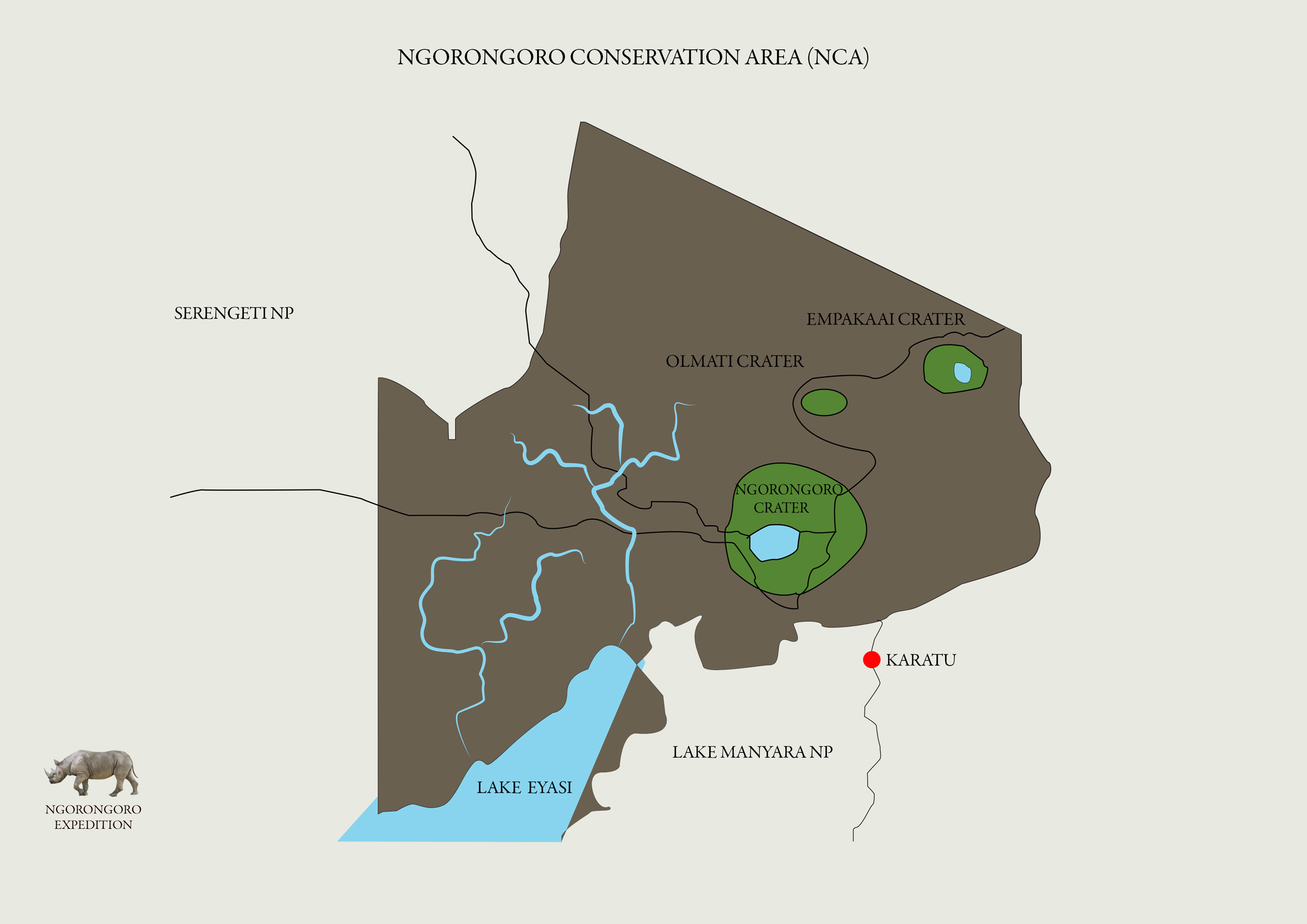
Ngorongoro Crater, Tanzania – A Living Natural Wonder The Ngorongoro Crater is a remarkable volcanic basin located in northern Tanzania and is recognised as a UNESCO World Heritage site and the Eighth Wonder of the World. This extraordinary landscape is home to the Maasai people, their cattle, and a wide variety of animals. Set in the Great Rift Valley, the region is a mix of mountains, volcanoes, grasslands, lakes, forests, and ancient archaeological sites, creating a rare combination of cultural and natural wonders. The crater sits at 2,286 meters above sea level and is the largest intact volcanic caldera on Earth. Its walls rise steeply over 600 meters, forming a natural enclosure that spans 260 square kilometres (100 square miles). Within this protected area, thousands of wildlife species roam freely, including lions, elephants, zebras, and the endangered black rhinoceros. The crater’s constant water sources and abundant vegetation make it a year-round sanctuary for animals. The wider Ngorongoro Conservation Area, covering 8,292 square kilometres, stretches from Lake Eyasi to the Gol Mountains. Central features include the Olbalal Swamp and the Olduvai Gorge, a world-famous site where early human fossils have been discovered. Today, Ngorongoro is celebrated for its dramatic scenery, thriving wildlife, rich Maasai culture, and important archaeological history, representing a model where nature, people, and tourism coexist sustainably. Ngorongoro Crater Location – Best of Northern Tanzania Safari The Ngorongoro Crater is located in northern Tanzania, renowned for its rich wildlife and striking landscapes. Nestled in the Great Rift Valley, the area offers visitors a mix of dramatic volcanic terrain, grassy plains, and culturally significant sites, making it one of the most remarkable safari destinations in East Africa. Travellers coming from Arusha can reach the crater in about four hours by road, covering roughly 190 kilometres, or opt for a short charter flight of around one hour, which provides a scenic view of the valley below. From Lake Manyara, the journey is shorter, with a drive of approximately two hours over 60 kilometres, making it easy to include Ngorongoro as part of a multi-day safari adventure. Nearby, visitors can explore the Olbalal Swamp, the historically important Olduvai Gorge, and traditional Maasai villages, where they can witness local culture and daily life. These attractions, combined with the crater’s exceptional wildlife and scenery, make Ngorongoro Crater a must-see destination for any safari in Tanzania. |
Olduvai Gorge – The Cradle of Mankind Olduvai Gorge is one of the most important historical sites within the Ngorongoro Conservation Area, offering deep insight into early human history. Located about 180 kilometers from Arusha, this remarkable site lies close to Ngorongoro Crater Tanzania, making it a popular stop on many Ngorongoro Crater safari routes. The gorge is a steep valley, reaching depths of nearly 100 meters, formed over thousands of years by erosion through layers of volcanic soil across the Serengeti Plains. Nearby Laetoli, another key site in the region, preserves ancient hominid footprints that date back approximately 3.6 million years, providing rare evidence of early human movement. Visitors to Olduvai Gorge can explore the on-site museum, which displays fossil discoveries and explains the significance of findings such as Australopithecus boisei. Together with the surrounding landscapes, wildlife, and cultural heritage, Olduvai Gorge adds strong archaeological value to the wider Ngorongoro Crater location, complementing its reputation for wildlife, scenery, and global importance Ngorongoro Crater Wildlife Ngorongoro Crater is home to a very high concentration of wildlife, with around 30,000 large animals living on the crater floor. The most commonly seen animals include Elephants, African Buffalo, Zebras, Wildebeest, Warthogs, Gazelles, Antelopes, and Hippopotamuses. The crater also supports strong predator populations. Lions and spotted Hyenas are frequently observed across the open plains, while Leopards are present but more elusive, often staying near forested areas. One of the most important species found in Ngorongoro Crater is the endangered black Rhinoceros, making the crater one of the best places in Tanzania to see this rare animal. Permanent water sources and rich grazing land allow these animals to survive year-round within the protected ecosystem of the Ngorongoro Conservation Area. Birds in Ngorongoro Crater Ngorongoro Crater is an excellent destination for birdwatching, with over 100 bird species recorded in and around the crater. The presence of lakes, swamps, grasslands, and forested slopes creates ideal conditions for both resident and migratory birds. Commonly seen waterbirds include flamingos, pelicans, storks, and herons, especially around crater lakes and wetland areas. The varied habitats also support many swamp and forest species that are rarely seen in the open plains of the Serengeti. The best time for bird viewing is early in the morning or near permanent water sources, when bird activity is highest. This diversity makes Ngorongoro Crater a rewarding stop for bird lovers as well as wildlife safari travelers. |
Ngorongoro Crater Big Five Ngorongoro Crater is one of the few places in Africa where visitors can see all members of the Big Five in a single safari area. The crater’s enclosed environment, permanent water sources, and rich grazing lands support a stable and visible population of these iconic animals. Lion: The crater is famous for its strong lion population, often seen resting or hunting on the open plains. Leopard: Leopards are present but more elusive, usually found near forested slopes and rocky areas. Elephant: Large bull Elephants, many with impressive tusks, are commonly seen moving through the crater floor. Buffalo: African buffalo are widespread and often appear in large herds near grasslands and water sources. Black Rhinoceros: The critically endangered black rhino is carefully protected here, making Ngorongoro Crater one of the most reliable places in Tanzania to see this rare species. This exceptional concentration of wildlife makes a Ngorongoro Crater safari one of the best opportunities to experience the Big Five Safari in northern Tanzania. Ngorongoro Crater accommodations Ngorongoro Crater provides a variety of accommodation choices designed to meet different travel preferences and budgets. Most lodges and camps are situated along the crater rim or within the wider Ngorongoro Conservation Area, allowing visitors quick and convenient access to the crater while enjoying comfort, beautiful surroundings, and reliable services. Visitors seeking a luxury experience can choose premium lodges that feature sweeping views of the crater, well-appointed rooms, quality dining, and professionally guided safari activities. Well-known high-end properties such as Ngorongoro Crater Lodge and Ngorongoro Serena Lodge are especially valued for their stunning locations and close proximity to wildlife viewing areas. For mid-range and budget travelers, there are dependable options, including Ngorongoro Sopa Lodge, Rhino Lodge, and public camping areas such as Simba Campsite. These accommodations offer comfortable facilities near the crater entrance and are ideal for safari travelers looking for practical stays. All lodging options operate under conservation regulations, supporting sustainable tourism while delivering a rewarding Ngorongoro Crater safari experience. Crater Tanzania Ngorongoro
|