
Best Time to Climb Kilimanjaro
The best time to climb Mt Kilimanjaro is during the dry seasons, January, February, June, and October, with clearer skies and drier trails.
The best time to climb Kilimanjaro is generally during the dry seasons from January to February and June to October, when the mountain usually has lower rainfall, clearer skies, and more favorable climbing conditions. These months are popular for reaching Uhuru Peak, the highest point on Mount Kilimanjaro, although weather and trail conditions can still vary.
Mount Kilimanjaro can be climbed year-round, but conditions change between the dry and rainy seasons. January and February are generally warm and relatively dry, while June to October provide another extended period of favorable climbing weather. March, November, and December can bring more variable conditions, while April and May are typically among the wetter months.
The best time to climb Mt Kilimanjaro depends on weather, rainfall, trail conditions, visibility, and crowds. At Ngorongoro Expedition & Tours, we recommend the drier months, especially January to February and June to October, when trekking conditions are generally more favorable. This guide gives a month-by-month overview of the best time to climb Kilimanjaro to help you choose the right climbing period.
What Is the Best Time of Year to Climb Kilimanjaro?
The best time of year to climb Kilimanjaro is generally during the dry periods from January to February and June to October. These months usually have less rainfall, clearer skies, drier trails, and better visibility, making them favorable for climbing Mount Kilimanjaro in Tanzania and trekking to Uhuru Peak, Africa’s highest point.
January and February are part of the first main climbing window and often offer relatively dry, clear conditions. The second, longer dry period runs from June through October, when the mountain generally receives less rainfall and has good visibility. Conditions become colder as you climb higher, particularly near the summit, so proper clothing and preparation remain important even during the dry season. The best time to climb Kilimanjaro also depends on your preferred weather conditions, crowd levels, and travel schedule.
Although Kilimanjaro can be climbed throughout the year, the experience varies with the seasons. March to May and November are usually wetter, which can make some sections of the route muddy and slippery. Choosing your climbing dates carefully can help you prepare for the conditions you are likely to face on the mountain.
Kilimanjaro Climbing Seasons
Mount Kilimanjaro has two main climbing seasons: January to February and June to October. These periods align with Tanzania’s main dry seasons and generally offer less rainfall, drier trails, clearer skies, and more favourable conditions for trekking to Uhuru Peak, Kilimanjaro’s highest point. The mountain can be climbed throughout the year, but weather and trail conditions vary between the dry and rainy periods. For many climbers, the best time to climb Kilimanjaro is during these drier periods.
Climbing During the Dry Seasons
The January to February and June to October periods are generally considered the best season to climb Kilimanjaro because rainfall is usually lower, trails are often drier, and clearer skies provide better views of Mount Kilimanjaro and the surrounding landscapes. These conditions can make trekking more comfortable, with fewer rain interruptions and more predictable weather. For many trekkers, this is the best time to climb Kilimanjaro.
Rainy Season on Kilimanjaro
The main rainy period on Mount Kilimanjaro generally occurs from March to May, while shorter rains can occur around November and December. During these periods, rainfall can make trails wetter and more slippery, while cloud cover may reduce visibility across parts of the mountain. Higher elevations can also experience very cold conditions, with snow or ice possible near the summit depending on the weather. However, the rainy season has its own advantages, including quieter trails and lush green scenery on the lower slopes. Climbers who choose this period should be prepared with waterproof clothing, suitable footwear, and reliable rain protection for changing conditions.
What is the best month to Climb Kilimanjaro?
The best months to climb Kilimanjaro are January, February, June, July, August, September, and October. These months are generally drier, with better conditions for hiking and clearer views. January and February are good choices early in the year, while June to October offers a longer dry season.
The best month to climb Kilimanjaro depends on your travel plans and weather preferences. However, mountain weather can change quickly, especially at higher elevations, so rain and cold temperatures are possible in any month.
Choose a month
Select a month to view conditionsWhat Is the Best Time to Summit Kilimanjaro?
The best time to summit Kilimanjaro is usually around sunrise, with the final ascent starting between 11:00 p.m. and 12:00 a.m. This schedule gives climbers enough time to reach Uhuru Peak, the highest point on Mount Kilimanjaro, in the early morning and enjoy sunrise from the summit. The best months to summit Kilimanjaro are generally January, February, June, July, August, September, and October, as these months fall within the main dry periods and usually offer lower rainfall, drier trails, and better visibility. These conditions can make the final ascent more manageable and provide better opportunities for clear mountain views.
The summit attempt is challenging because of the high altitude, cold temperatures, steep terrain, and several hours of trekking in darkness. Starting late at night allows climbers to make a steady ascent and aim to reach Uhuru Peak around sunrise before beginning the descent. The exact timing can vary depending on the route, weather, trekking pace, and group. Choosing the best time to climb Kilimanjaro can also help climbers plan their summit attempt around generally favorable weather conditions.
When Is Kilimanjaro the Most Crowded?
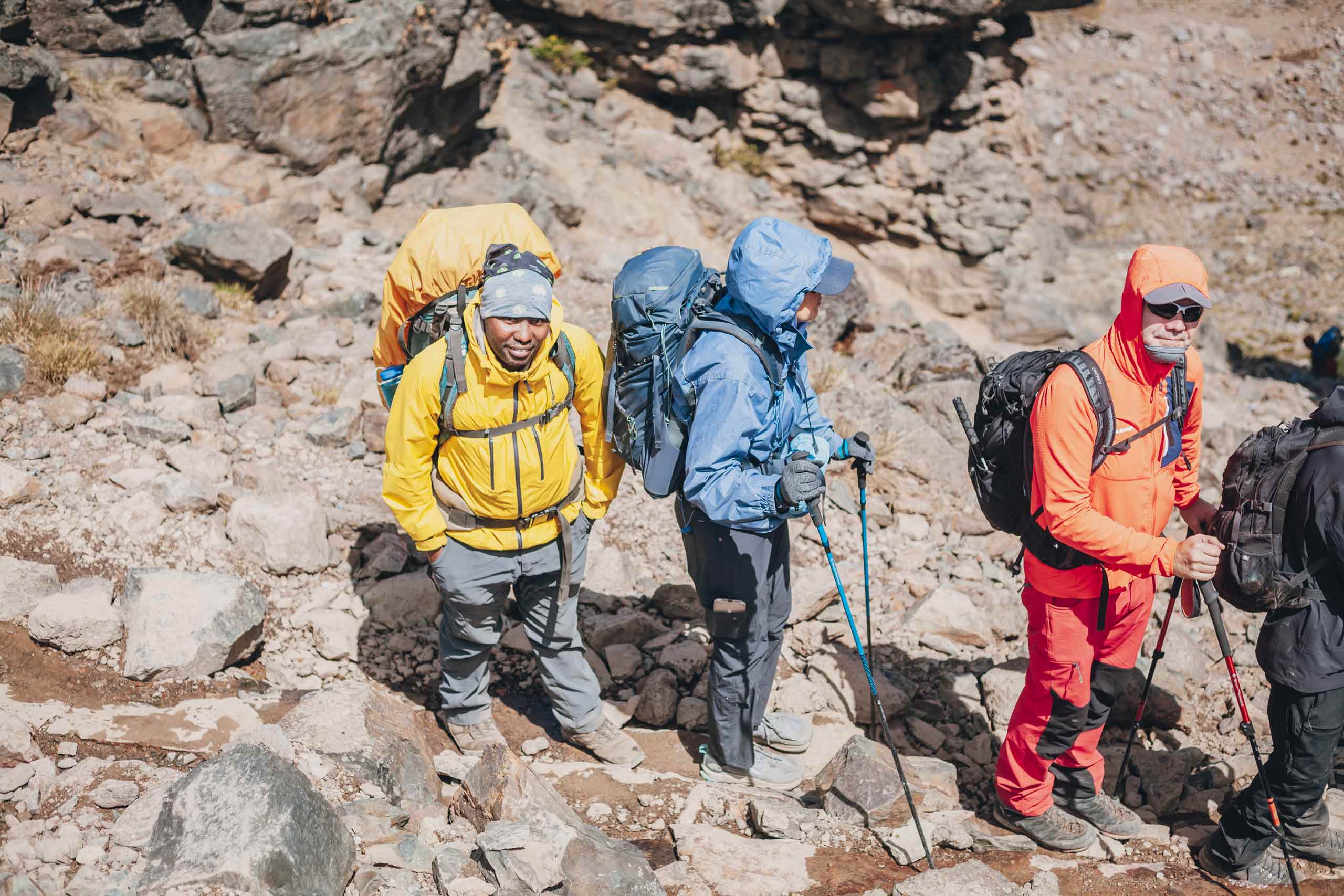
Kilimanjaro is generally most crowded during the peak dry-season months of July, August, and September, when favorable trekking conditions attract many international visitors. August is often one of the busiest months on Mount Kilimanjaro, coinciding with summer holidays in Europe and North America.
During this period, popular routes such as Machame, Marangu, and Lemosho can have more trekkers on the trails, particularly around popular camps and key sections of the mountain. Campsites may feel busier, and climbers may encounter other groups throughout the trek. The combination of generally dry weather, clearer skies, and good visibility makes this period popular for climbing Kilimanjaro and reaching Uhuru Peak.
For travelers who prefer a quieter Kilimanjaro climb, choosing a less busy period or a route with fewer trekkers can help reduce congestion. Rongai and the Northern Circuit are options to consider for a more peaceful trekking experience, while shoulder-season dates may have fewer climbers than peak months.
Early June and later October may offer a quieter atmosphere, although weather conditions can be more variable. Crowd levels also depend on the exact departure date, chosen route, and number of groups on the mountain, so conditions can vary even during the busiest climbing season. Booking your trek in advance is also useful during popular months, when demand for guides, campsites, and trekking services can be higher.
When considering the best time to climb Kilimanjaro, crowd levels can be an important factor alongside weather and trail conditions. Choosing the best time to climb Kilimanjaro also means considering how busy you want the mountain to be during your trek.
Kilimanjaro Climbing Cost
Climbing Mount Kilimanjaro typically costs around $2,000 to $6,000 per person, depending on the route, number of trekking days, group size, season, accommodation, and services included. A safe and comfortable mid-range climb often costs $2,500 to $3,500 per person. A significant part of the price comes from mandatory park fees, while the remaining cost covers professional guides and porters, meals, camping or accommodation, equipment, transfers, and logistical support. Budget climbs may cost less, while luxury expeditions can exceed $6,000 with additional comfort and personalized services.
When choosing the best time to climb Kilimanjaro, consider your budget alongside weather, trail conditions, and availability. January to February and June to October are generally popular climbing periods, so demand for trekking services can be higher. However, the lowest price is not always the best choice. A reputable operator, experienced mountain crew, quality equipment, and an itinerary with enough days for proper altitude acclimatization are important factors to consider. Spending a little more on a well-planned climb can provide better support, comfort, and preparation for summit day.


Mistakes to Avoid When Choosing Your Climbing Date
When considering the best time of year to climb Kilimanjaro, avoid choosing your Kilimanjaro climbing date based only on price, availability, or the shortest itinerary. Give yourself enough time for gradual altitude acclimatization, as rushing the ascent can make the climb more physically demanding. The dry season generally offers better trekking conditions, but temperatures can still drop below freezing at higher elevations, especially near the summit. It is also important to consider your fitness level, preferred route, and how much time you can comfortably spend on the mountain.
Before booking, consider rainfall, trail conditions, visibility, temperatures, route difficulty, acclimatization time, and expected crowd levels. Popular routes such as Machame, Marangu, and Lemosho can be busier during peak periods, while Rongai and the Northern Circuit are often quieter. Your choice of climbing month can also affect the overall atmosphere, from busy campsites during peak seasons to a quieter experience during less crowded periods. Choosing the best time to climb Kilimanjaro also means considering how comfortable you are with different weather and crowd levels.
Choosing the right combination of climbing month, route, and itinerary can help you enjoy more favorable weather, a comfortable pace, better acclimatization, and a more rewarding Kilimanjaro trekking experience. Rather than looking for the cheapest or shortest option, choose an itinerary that gives you enough time to adjust to the altitude and prepare properly for the summit. This approach can help you identify the best time to climb Kilimanjaro for your own travel plans and climbing goals.
Best Time to Hike Kilimanjaro By Routes
The best time to hike Kilimanjaro by route is generally during the dry seasons from January to mid-March and June to October. These periods usually bring lower rainfall, drier trails, clearer skies, and better visibility. Machame, Lemosho, Marangu, Rongai, Umbwe, and the Northern Circuit can all be climbed during these months, although each route offers different scenery, terrain, trekking duration, and acclimatization opportunities.
The wetter periods from March to May and around November and December can bring more rain, muddy trails, and increased cloud cover. When choosing the best time to climb Kilimanjaro, it is also important to consider your preferred route, weather conditions, crowds, trail conditions, and trekking duration. At Ngorongoro Expedition & Tours, we help travellers choose a suitable route and climbing period based on their travel plans and trekking experience.
When to Climb Each Kilimanjaro Route
| Kilimanjaro Route | Recommended Climbing Months | Weather & Trail Conditions | Typical Traffic | Key Consideration |
|---|---|---|---|---|
| Machame Route | January–February, June–October | Generally drier with good trail conditions | High | Popular scenic route with varied landscapes |
| Lemosho Route | January–February, June–October | Dry conditions usually provide better trekking conditions | Moderate to High | Longer approach with strong acclimatization opportunities |
| Marangu Route | January–February, June–October | Best suited to the drier periods; rain can make trails slippery | High | Hut accommodation along the route |
| Rongai Route | January–February, June–October | Often relatively dry, particularly on the northern side of the mountain | Lower to Moderate | Quieter route with a different landscape |
| Northern Circuit | January–February, June–October | Drier months generally offer better trekking conditions | Lower to Moderate | Long route with extensive acclimatization time |
Full Moon Climbing Dates
A full moon climb gives trekkers the opportunity to begin the final summit ascent under bright moonlight, creating a different experience on Mount Kilimanjaro. Because summit attempts usually begin around midnight, planning your itinerary around the full moon date is important. Choosing the best time to hike Kilimanjaro can also depend on your preferred climbing month, weather conditions, and whether you want to experience a full moon summit.
Kilimanjaro Full Moon Dates 2026–2027
The dates below are based on Tanzania local time (East Africa Time, UTC+3). When planning the best time to climb Kilimanjaro, remember that the full moon date is the target summit night, not usually the date you begin your trek. Your departure date will depend on your chosen route and the number of trekking days.
| Month | Full Moon 2026 | Full Moon 2027 |
|---|---|---|
| January | January 3 | January 22 |
| February | February 2 | February 21 |
| March | March 3 | March 22 |
| April | April 2 | April 21 |
| May | May 1 | May 20 |
| June | June 30 | June 19 |
| July | July 29 | July 18 |
| August | August 28 | August 17 |
| September | September 26 | September 16 |
| October | October 26 | October 15 |
| November | November 24 | November 14 |
| December | December 24 | December 13 |
Why Climb Kilimanjaro with Ngorongoro Expedition & Tours
Tanzania-based tour operator with a strong connection to Local Mountain guiding. Operating since 2003, we help climbers choose suitable routes, prepare for their trek, and plan their journey to Uhuru Peak, Africa’s highest point. When planning the best time to hike Kilimanjaro, we also help you consider suitable routes and trekking conditions.
Our family connection to Kilimanjaro goes back to Mzee Yohana Lawuo, a local guide who guided Hans Meyer and Ludwig Purtscheller during their historic expedition to Mount Kilimanjaro, which reached the summit on 5 October 1889. Today, we continue this local guiding tradition through experienced mountain guides, route planning, and personal support throughout your Kilimanjaro climb.
Ready to climb Mount Kilimanjaro? Explore our Kilimanjaro routes and choose the trek that suits your travel plans. [Book Your Kilimanjaro Climb]
Frequently Asked Question
What is the best time of year to climb Kilimanjaro?
January and February are both generally good months to climb Mount Kilimanjaro, offering relatively dry and warm conditions, although weather can change quickly at higher elevations.
What is the best season to climb Kilimanjaro?
The main dry seasons, January to February and June to October, are generally considered the most favorable periods for climbing Kilimanjaro because of lower rainfall and better trail conditions.
Which months have the clearest skies on Kilimanjaro?
The dry-season months generally offer the clearest skies, particularly January, February, August and September. However, visibility can vary from day to day and between different elevations.
What is a full moon climb on Kilimanjaro?
A full moon climb is planned so that the summit attempt takes place around a full moon. The moonlight can make the nighttime ascent brighter and create distinctive views along the route.
What is the best time to climb Kilimanjaro for photography?
The dry seasons generally provide better conditions for mountain photography because clearer skies can offer wider views of Kilimanjaro and the surrounding landscapes. The wetter months can also produce dramatic clouds and atmospheric scenery.
What is the best time to summit Kilimanjaro?
The best time to summit Kilimanjaro is generally during the drier months, when conditions are often more favorable for the final ascent and summit views.
What should i consider when choosing the best time to climbing Kilimanjaro?
Consider weather, rainfall, trail conditions, visibility, crowds, route, and your travel schedule when choosing when to climb Kilimanjaro.
When is the best time to climb Kilimanjaro for fewer crowds?
For a quieter experience, consider the shoulder or wetter months when fewer trekkers are on the mountain. November can have fewer groups, although the weather is less predictable.
Is it possible to climb Kilimanjaro during the rainy season?
Yes, Kilimanjaro can be climbed during the rainy season, but April, May, and parts of November can bring more rainfall and wetter trail conditions.
Is August a good time to climb Kilimanjaro?
January and February are both generally good months to climb Mount Kilimanjaro, offering relatively dry and warm conditions, although weather can change quickly at higher elevations.
What Is the best time to climb Kili?
The best time to climb Kili is generally January to early March and June to October, when conditions are usually drier and more favorable for trekking.
How does rainfall affect a Kilimanjaro climb?
Rain can make trails wet and slippery, reduce visibility and make camping less comfortable. The main rainy periods generally bring more challenging trekking conditions.
Is October a good time to climb Kilimanjaro?
Plan your Trip
Ready to start planning your own incredible adventure?
We make the process stress-free and enjoyable.