
Ngorongoro Expedition and Tours

Kilimanjaro Routes

MOUNT Kilimanjaro ROUTES

Mount Kilimanjaro climbing routes are the official paths used to reach the summit of Mount Kilimanjaro, Africa’s highest peak. Each route differs in length, scenery, acclimatization time, and summit success rate, making route selection a key factor in a successful climb. Longer routes allow better altitude adaptation, while shorter routes require faster ascent and carry higher risk of altitude sickness.

The most popular southern routes offer varied landscapes and established infrastructure, while western routes are known for better acclimatization and higher success rates. Northern approaches are quieter, drier, and ideal for climbers seeking fewer crowds. Overall, choosing a Mount Kilimanjaro climbing route with enough acclimatization days greatly improves safety, comfort, and the chances of reaching Uhuru Peak.

Marangu Route

Machame Route

Lemosho Route

Shira Route

North Circuit

Rongai Route

Umbwe Route

Mount Meru

Mount Kilimanjaro Map

When climbing Mount Kilimanjaro, wear a layered clothing system made from moisture-wicking merino wool or synthetic fabrics to adapt to changing temperatures, rain and strong winds. Your clothing should include thermal base layers, fleece or down jackets, waterproof and windproof outerwear, trekking trousers, warm hiking socks, insulated gloves and a warm hat. Avoid cotton because it absorbs moisture, dries slowly and can make you cold, particularly at higher elevations. 
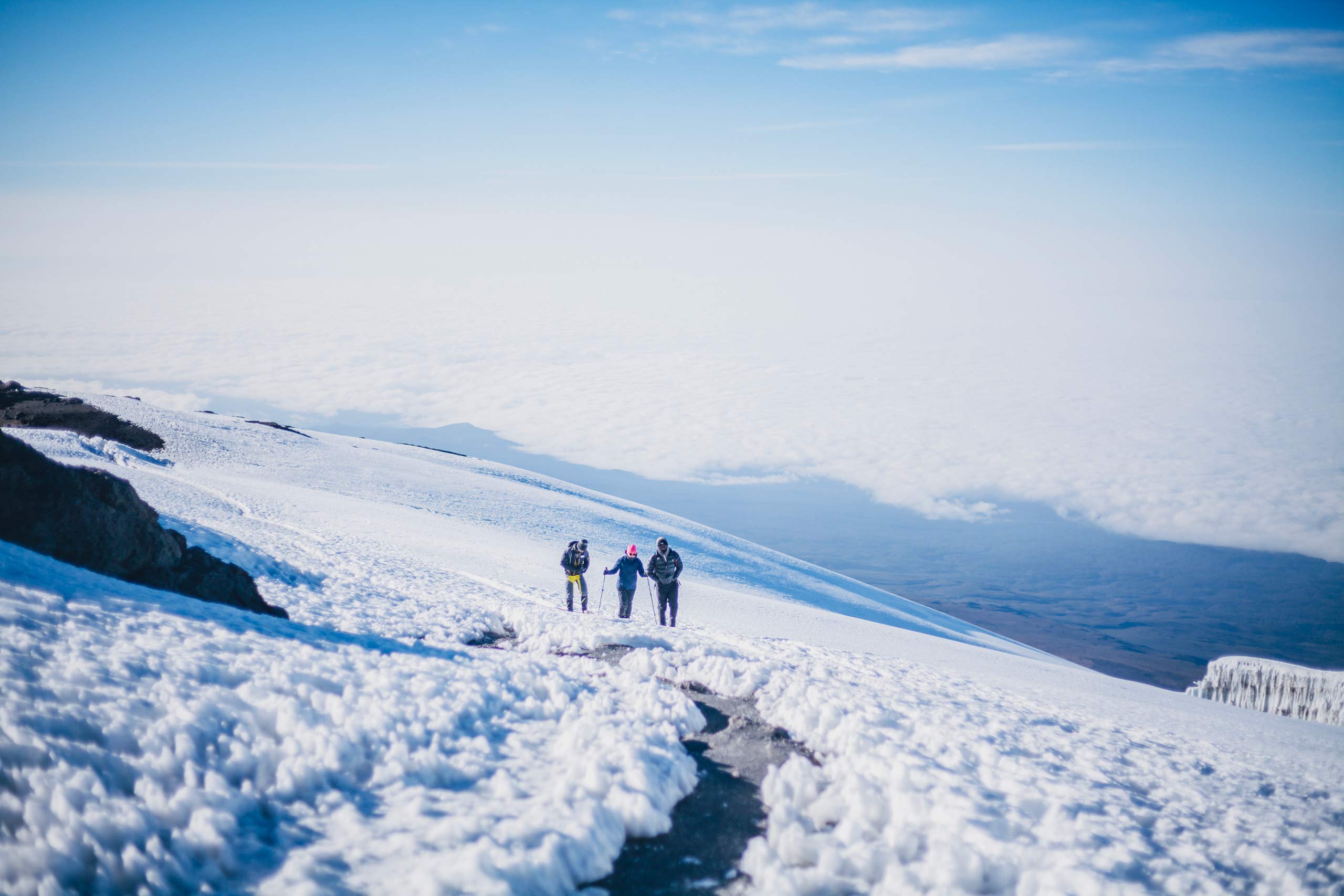
When climbing Mount Kilimanjaro, wear a layered clothing system made from moisture-wicking merino wool or synthetic fabrics to adapt to changing temperatures, rain and strong winds. Your clothing should include thermal base layers, fleece or down jackets, waterproof and windproof outerwear, trekking trousers, warm hiking socks, insulated gloves and a warm hat. Avoid cotton because it absorbs moisture, dries slowly and can make you cold, particularly at higher elevations. 
When climbing Mount Kilimanjaro, wear a layered clothing system made from moisture-wicking merino wool or synthetic fabrics to adapt to changing temperatures, rain and strong winds. 
mount kilimanjaro guide

FAQ - How to Plan a Serengeti Safari

How do i plan a Serengeti Safari?

To plan a Serengeti safari, choose your travel dates, decide how many days you have, select the wildlife areas you want to visit and set your budget. Then choose accommodation and book with a licensed local tour operator.

The best time for a Serengeti safari is June to October, during the dry season. January to March is also excellent for the calving season in the southern Serengeti and Ndutu area.

A Serengeti safari in Africa offers opportunities to see lions, leopards, cheetahs, elephants, buffaloes, giraffes, zebras, wildebeest, hyenas, hippos and crocodiles. The Serengeti is also home to the Big Five, although black rhinos are rare and sightings are not guaranteed.

Compare Serengeti safari tours based on itineraries, duration, accommodation, prices and included services. Choose a licensed local operator with experienced guides and good recent reviews, and match the tour to your travel dates, budget and wildlife interests.

A Serengeti safari typically costs about $250–$350 per person per day for budget trips, $400–$700 for mid-range and $800 or more for luxury, depending on the season, accommodation and group size. Always check what your quotation includes and excludes.

You need at least 3 days for a Serengeti safari, but 4 to 5 days is ideal for exploring different wildlife areas. Longer trips of 6 to 7 days let you combine the Serengeti with Ngorongoro Crater and Tarangire National Park.

Expect early-morning and late-afternoon game drives in a 4×4 vehicle with a pop-up roof, led by an experienced guide, with nights in a camp or lodge. Wildlife sightings depend on the season and area, so none are guaranteed.